Sauces & Condiments
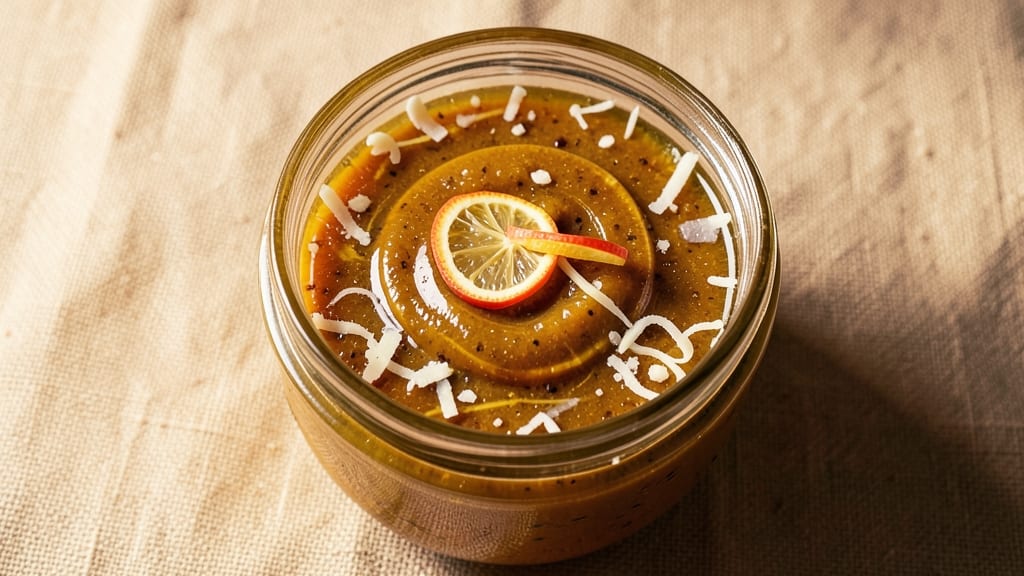
This California Pizza Kitchen salad dressing recipe brings bold anchovy-parmesan flavor to your greens in just 5 minutes. The secret lies in a perfect balance of briny anchovies, sharp parmesan, and bright lemon—just like their signature creamy dressings.
I’ve recreated it at home with simple pantry staples, ensuring that tangy, umami-packed zing without the restaurant price tag.
The dressing combines high-quality olive oil with a tangy vinegar base, then emulsifies with a touch of Dijon mustard and fresh herbs. Anchovy fillets dissolve into the mix, adding that signature depth, while freshly grated parmesan contributes a nutty, salty finish.
What makes this dressing truly special is how it transforms simple salads into restaurant-worthy meals with minimal effort.
What you’ll end up with is a velvety, slightly thick dressing that clings beautifully to greens, croutons, and grilled vegetables. The flavor profile is complex yet balanced—bright from the lemon, rich from the parmesan, and briny from the anchovies.
It’s the kind of dressing that elevates any salad from ordinary to extraordinary, making it a must-have for your pantry.
Best of all, this dressing keeps well in the refrigerator for up to a week, so you can make a batch ahead and enjoy it all week long.
Whether you’re dressing up a Caesar salad, a grain bowl, or a simple green salad, this recipe delivers that signature California Pizza Kitchen taste at home.
Ingredients for california pizza kitchen salad dressing
Nine simple ingredients transform into that signature California Pizza Kitchen dressing flavor.
| Ingredient | Amount | Notes |
|---|---|---|
| Extra-Virgin Olive Oil 🫒 | ¾ cup | High-quality, fruity variety |
| White Wine Vinegar 🍷 | ¼ cup | Dry, crisp vinegar preferred |
| Dijon Mustard 🌶️ | 1 tbsp | Mild or hot, not spicy |
| Anchovy Fillets 🐟 | 1 oz | High-quality, packed in oil |
| Fresh Lemon Juice 🍋 | 2 tbsp | Freshly squeezed, no pulp |
| Parmesan Cheese 🧀 | ½ cup | Freshly grated from block |
| Garlic Cloves 🧄 | 2 cloves | Fresh, minced or finely chopped |
| Fresh Parsley 🌿 | ¼ cup | Chopped, stems removed |
| Salt 🧂 | ½ tsp | Kosher or sea salt |
| Black Pepper 🌶️ | ¼ tsp | Freshly ground preferred |
Anchovies are the secret weapon here—high-quality fillets packed in oil dissolve beautifully and add that signature briny depth. Grab them at the seafood counter or Trader Joe's (their Italian market section has great options). The Parmesan? Freshly grated from a wedge makes all the difference—pre-grated tastes like sawdust. For the olive oil, look for extra-virgin with fruity notes like California or Italian varieties. The vinegar should be dry and crisp—Bragg or Maillard work perfectly. Fresh herbs matter too: parsley adds brightness, but basil or tarragon would work too if that's what you've got.
No anchovies? Fish sauce at half the amount mimics that umami punch, though it won't be identical. Short on Parmesan? Pecorino Romano or nutritional yeast adds a similar tang. The mustard is non-negotiable for emulsification, but if you're avoiding gluten, Dijon-style mustard made from mustard seeds works. The garlic can be roasted for a mellow flavor if you prefer—just microwave it 30 seconds with a splash of water. For storage, keep the dressing in a clean glass jar with a tight lid—it'll stay fresh for about a week in the fridge.
This dressing tastes even better the next day as flavors meld. If it separates, just whisk vigorously or blend briefly to re-emulsify. Store it in the coldest part of your fridge for maximum freshness. Need to use it up fast? It's perfect on grilled chicken salads, grain bowls, or even as a marinade. The anchovies add a surprising depth to roasted vegetables too—don't be afraid to experiment.
Why You'll Love This Recipe
- Five-Ingredient Magic: This dressing is the kind of recipe where you don’t need a degree in chemistry—just a bowl and a whisk. The anchovies dissolve right into the olive oil and vinegar, so no chopping, no straining, just stir and go. Honestly, I’ve made it while waiting for pasta to boil.
- Umami Bomb: That first taste? Chef’s kiss. The anchovies bring a deep, salty punch that cuts through greens like a knife, while the Dijon mustard adds a tangy bite. The lemon juice ties it all together—bright, sharp, and impossible to resist. (Yes, even on a Tuesday night.)
- Works Everywhere: Drizzle it on a crisp romaine salad, toss it with roasted veggies, or use it as a marinade for grilled chicken. I’ve even poured it over cold pasta—no judgment. It’s the kind of dressing that doesn’t demand a fancy occasion to shine.
- Makes Leftovers Better: A little goes a long way, so you’ll have enough to stash in the fridge for the week. The flavors actually improve after a day or two, deepening into something richer. Between us, I’ve been known to keep a jar in the pantry just for emergencies.
Step-by-step instructions for California Pizza Kitchen salad dressing
Here's how to whip up this iconic dressing with bold, umami-rich flavor in just minutes.
Mince the Garlic and Anchovies
Start by finely mincing the 2 cloves garlic and 1 oz anchovy fillets using a sharp knife or small food processor. I like to work in batches for precision—this ensures the anchovies dissolve completely into the dressing rather than creating fishy bits. The garlic should be so finely chopped it's almost paste-like, while the anchovies should break down into a smooth, salty paste. Set these aside in a small bowl.
Here's the thing—anchovies can be polarizing, but when properly minced and incorporated, they add a deep, savory backbone that makes this dressing unforgettable. Don't skip this step; the texture difference is night and day compared to using whole fillets.
Whisk Together the Base Ingredients
In a medium bowl, combine the 0.75 cup extra-virgin olive oil, 0.25 cup white wine vinegar, and 1 tbsp Dijon mustard. Whisk vigorously for 30-45 seconds until the mixture begins to emulsify slightly and thicken. You're looking for a smooth, homogeneous base—no streaks of oil should remain.
This is where the magic starts. The olive oil provides richness, the vinegar adds brightness, and the mustard acts as an emulsifier to bind everything together. If you're using a high-quality, fruity olive oil, you'll notice a pleasant peppery aroma developing as you whisk.
Incorporate the Garlic-Anchovy Paste
Add the minced garlic and anchovy mixture to the bowl, along with the 0.5 tsp salt and 0.25 tsp black pepper. Whisk continuously for 1-2 minutes until fully combined. You'll notice the dressing darken slightly and develop a rich, savory aroma. This is your signal that the anchovies are dissolving properly.
I know it seems weird to add salt when you're already using salty anchovies, but trust me—this balances the flavors perfectly. The anchovies are packed in oil, so their saltiness is concentrated. Taste at this stage and adjust the salt if needed, but you're likely good to go.
Add the Lemon Juice and Cheese
Next, stir in the 2 tbsp fresh lemon juice and 0.5 cup freshly grated Parmesan cheese. The lemon juice will brighten the dressing and cut through the richness, while the Parmesan adds a nutty, umami depth that's characteristic of California Pizza Kitchen's signature flavor. Use a fine grater for the cheese—it should dissolve smoothly into the dressing.
Here's a pro tip: If you're using a block of Parmesan, grate it fresh right before adding it. Pre-shredded cheese contains anti-caking agents that prevent it from dissolving properly, leaving you with grainy texture instead of a silky dressing.
Finish with Parsley and Adjust Consistency
Finally, fold in the 0.25 cup chopped fresh parsley. Give the dressing one last thorough whisk to ensure everything is evenly distributed. The parsley adds a fresh, herbaceous note that balances the richness. Taste and adjust seasoning if needed—you might want to add a touch more salt or lemon juice to suit your preference.
For a thinner dressing, add 1-2 tablespoons of water or white wine vinegar at a time until you reach your desired consistency. For a thicker dressing, let it sit for 10-15 minutes—the flavors will meld even more, and the dressing will naturally thicken slightly. This dressing keeps well in the refrigerator for up to 1 week, making it perfect for meal prep.
Pro Tips For Making California Pizza Kitchen Salad Dressing
- Mince Anchovies Fine: The first time I skipped this, the dressing tasted like tiny fish pebbles instead of a smooth, savory base. Use the flat of your knife or a fork to press them into a paste—no food processor needed—so they dissolve completely into the oil.
- Emulsify Slowly: Pour the vinegar and lemon juice into the mustard first, then drizzle in the olive oil drop by drop while whisking like your life depends on it. Rushing this step means a broken dressing—trust me, I’ve made the curdled mess.
- Use Cold Anchovies: I learned this the hard way: warm anchovies release their oil unevenly, making the dressing taste greasy. Keep them refrigerated until you’re ready to mince, then mix them into the cold mustard-vinegar base.
- Balance the Vinegar: White wine vinegar can overpower if you’re not careful. Start with 2 tablespoons, taste, then adjust—add a splash more if it’s too sharp, or a pinch of sugar if it’s harsh. (Yes, even in savory dressings.)
Wine and beer pairings for this california pizza kitchen salad dressing
White Wine Pairing
This dressing pairs beautifully with a crisp Italian Pinot Grigio from Alto Adige. The wine's light body and citrus notes complement the anchovy's brininess while balancing the Parmesan's richness.
I always reach for a bottle of Santa Margherita Pinot Grigio—its clean finish cuts through the dressing's bold flavors without overpowering them. Serve it slightly chilled to enhance the wine's freshness and the dressing's brightness.
Crisp Lager Match
For beer lovers, a Belgian witbier like Hoegaarden works wonders. The beer's coriander and orange peel notes mirror the lemon and parsley in the dressing, creating a delightful harmony.
If you prefer something lighter, a Peroni or Moretti Italian lager provides a crisp, refreshing contrast that cleanses the palate between bites. The carbonation also helps cut through the dressing's richness.
Red Wine Alternative
If you prefer red wine, opt for a light-bodied Chianti Classico like Ruffino. The wine's acidity and cherry notes stand up to the anchovies and Parmesan, while its earthy undertones complement the garlic and herbs.
Avoid heavy, tannic reds—this dressing needs a wine that's as bright and lively as it is. Serve the wine at 60-64°F to preserve its freshness and balance the dressing's bold flavors.
Sparkling Wine Finish
For a festive touch, pair this dressing with a Prosecco or Cava. The bubbles and slight sweetness of the sparkling wine elevate the dressing's umami notes, making it feel extra special.
I love using La Marca Prosecco—its crisp acidity and delicate fruitiness enhance the dressing's complexity without overwhelming it. The effervescence also helps cleanse the palate, making each bite feel fresh and vibrant.
Non-Alcoholic Options
Skip the alcohol entirely with a sparkling apple cider like Martinelli's. The effervescence and slight tartness mirror the dressing's brightness, while the apple notes provide a refreshing contrast to the anchovies and Parmesan.
For a more herbal option, try a ginger beer like Brew Dr. Brown's—the ginger's spice complements the garlic and black pepper in the dressing beautifully.
Serving Temperature
Serve your wine or beer slightly chilled—around 45-50°F for whites and sparklings, 55-60°F for reds. The cooler temperature enhances the drink's acidity and freshness, which balances the dressing's rich, savory notes.
I always chill my wine for 30 minutes before serving to achieve the perfect temperature. This small detail makes a world of difference in how the flavors come together.
Nutrition facts
Frequently asked questions
Can I make this dressing without anchovies?
For a vegetarian version, replace the 1 oz anchovies with 1 tbsp fish sauce or 1 tsp soy sauce to maintain umami depth. For a dairy-free option, swap the Parmesan with 1 tbsp nutritional yeast or 1 tbsp white miso paste—both add a savory, cheesy-like flavor. The texture will be slightly lighter, but the tangy brightness remains.
Why does my dressing separate after sitting?
This happens when oil and vinegar aren't fully emulsified. Whisk vigorously again or blend briefly to re-combine. For prevention, add 1 extra tsp Dijon mustard next time—it acts as a natural emulsifier. Store in a glass jar with a tight lid to minimize separation. If it still happens, stir before using.
How can I adjust the flavor if it tastes too salty?
Add 1-2 tbsp fresh lemon juice or 1 tbsp water to dilute the saltiness. If it's too tangy afterward, balance with a pinch more salt or a drizzle of extra-virgin olive oil. Taste as you go—small adjustments make all the difference! The dressing should taste complex, not one-dimensional.
Can I use this dressing on non-salad dishes?
Drizzle it over grilled chicken, roasted vegetables, or even pasta for a bold flavor boost. It also makes a fantastic marinade—coat proteins like shrimp or steak and let sit for 15-30 minutes before cooking. The anchovy-parmesan combo adds depth to any dish beyond salads.
What’s the best way to store leftovers?
Transfer to a clean glass jar with a tight lid and refrigerate for up to 1 week. For longer storage, freeze in ice cube trays—thaw and whisk before using. Avoid metal spoons (they react with acids) and always store in the coldest part of the fridge to preserve freshness.