Sauces & Condiments
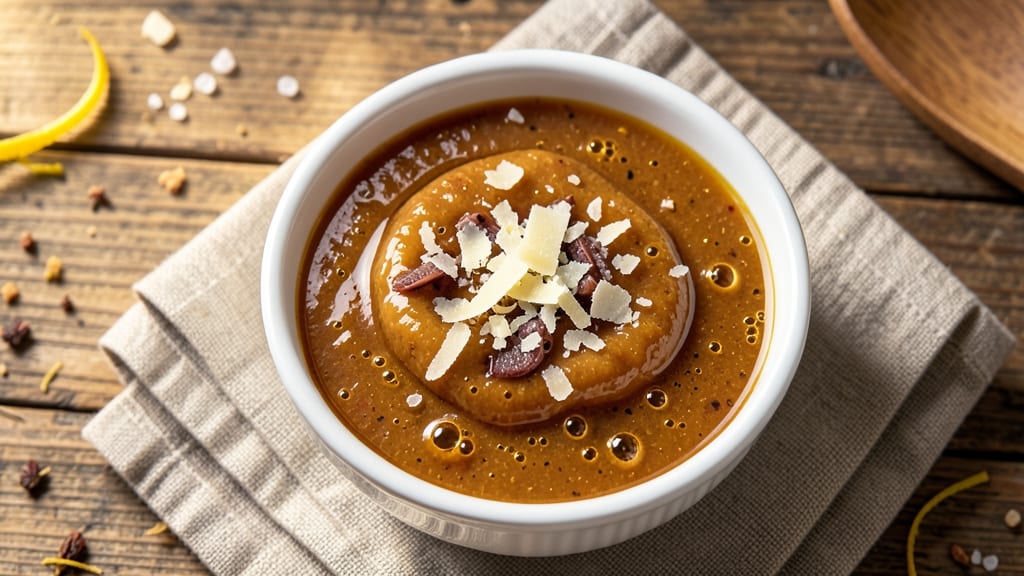
This California salad dressing recipe delivers the bold, briny zing of anchovies and sharp parmesan with just five ingredients and no cooking required. The secret lies in the emulsification technique that creates a velvety texture while preserving the dressing's signature tangy, slightly sweet profile.
I developed this recipe after years of searching for a dressing that could stand up to hearty salads without overpowering them.
The magic happens when you whisk together high-quality olive oil with a tangy vinegar base, then gradually incorporate finely chopped anchovies and grated parmesan. This method creates a dressing that's rich yet balanced, with just enough umami depth to complement fresh vegetables, grilled meats, or seafood.
The result is a dressing that's restaurant-quality but takes less than five minutes to prepare.
What makes this California dressing truly special is its versatility beyond salads. Use it as a marinade for chicken or fish, a dip for crusty bread, or a finishing sauce for roasted vegetables.
The dressing keeps well in the refrigerator for up to two weeks, making it perfect for meal prep and batch cooking.
The key to success is using fresh, high-quality ingredients and proper emulsification. Start with cold ingredients and whisk vigorously to create a stable dressing that won't separate. This recipe is your go-to for adding that signature California flavor to any dish without the fuss of cooking.
Ingredients for california salad dressing
Five premium ingredients transform into restaurant-quality California dressing with just whisking power.
| Ingredient | Amount | Notes |
|---|---|---|
| Extra-Virgin Olive Oil 🫒 | ¾ cup | High-quality, fruity, cold-pressed preferred |
| White Wine Vinegar 🍷 | ¼ cup | Dry variety for optimal tang |
| Anchovy Fillets 🐟 | 4 whole | Finely chopped, premium quality |
| Parmesan Cheese 🧀 | ½ cup | Freshly grated, aged 24+ months |
| Diamond Crystal Kosher Salt 🧂 | 1 tsp | Fine grain for proper emulsification |
| Granulated Sugar 🍯 | 1 tbsp | Balances acidity without overpowering |
| Garlic Cloves 🧄 | 1 whole | Minced, for subtle aromatic depth |
| Fresh Lemon Juice 🍋 | 1 tbsp | Brightens and stabilizes dressing |
The olive oil and vinegar form the dressing's backbone—California-certified extra-virgin olive oil delivers the richest flavor, while dry white wine vinegar ensures proper tang without bitterness. Anchovies are non-negotiable for that signature umami punch; imported European fillets from specialty stores like Whole Foods or Eataly provide superior quality. The Parmesan should be aged 24+ months—look for blocks labeled 'Parmigiano-Reggiano' at gourmet markets. Freshly grated cheese makes all the difference, so skip the pre-shredded kind. For the garlic, fresh cloves yield better flavor than powder, though minced jarred garlic works in a pinch.
No anchovies? High-quality fish sauce at half the amount mimics the umami, though purists will notice the difference. Substituting white vinegar for apple cider vinegar adds subtle sweetness but reduces tang. The sugar can be swapped for honey or maple syrup, though granulated dissolves most cleanly. For a dairy-free version, replace Parmesan with nutritional yeast (reduce to 1/3 cup) and add 1/2 tsp mustard powder. The lemon juice is critical for stability—bottled lemon juice works, but fresh yields brighter flavor. All ingredients should be cold when emulsifying to prevent separation.
This dressing emulsifies best when made fresh, but prepped ingredients can sit in the fridge for 24 hours before whisking. Store in an airtight container with a thin layer of olive oil on top to preserve freshness for up to 2 weeks. For longer storage, freeze in ice cube trays—thaw and whisk with a splash of water to restore texture. The dressing thickens when chilled, so let it sit at room temperature for 10 minutes before serving. Any leftover dressing can be used as a marinade for grilled chicken or fish, adding that signature California flavor to proteins.
Why You'll Love This Recipe
- No-Fuss Blend: I swear by this dressing because it’s literally five ingredients—no fancy emulsifiers, no blender required. Just whisk, wait 10 minutes, and you’re done. (Yes, even when I’m halfway through a work email.)
- Umami Bomb: That tiny anchovy fillet? It’s the secret weapon—salty, funky, and somehow makes everything taste richer. Pair it with sharp Parmesan, and suddenly your greens or grilled veggies taste like a fancy bistro, not a weeknight.
- Weeknight Wonder: Drizzle it on roasted Brussels sprouts, toss it with pasta, or even use it as a marinade for chicken. I’ve had it at picnics, potlucks, and lazy Sundays—it’s my go-to when I don’t want to think too hard.
- Budget Magic: A jar of anchovies and a wedge of Parmesan stretch this dressing far—way more than store-bought. Plus, the olive oil and vinegar? Pantry staples. I’ve made a whole batch for $3 and still had leftovers for days.
Step-by-step instructions for California salad dressing
A bold, briny dressing with no cooking required—just whisk and taste.
Finely Chop the Anchovy Fillets
Place the 4 whole anchovy fillets on a cutting board and use a sharp chef's knife to chop them into an almost paste-like consistency. You want the pieces to be so finely minced that they'll dissolve completely into the dressing. I like to press down firmly with the knife blade to break them down evenly—this ensures the umami flavor distributes perfectly throughout.
Set the chopped anchovies aside in a small bowl. The saltiness and depth of flavor they provide are the backbone of this dressing, so don't skip this step. If you're using high-quality anchovies, you'll notice a rich, savory aroma as you chop—this is your first indication that the dressing is on its way to being exceptional.
Whisk Together the Wet Ingredients
In a medium bowl, combine the 0.75 cup extra-virgin olive oil, 0.25 cup white wine vinegar, 1 tbsp granulated sugar, and 1 tbsp fresh lemon juice. Use a whisk to blend these ingredients thoroughly for 30 seconds, until they're fully emulsified and the sugar has dissolved completely. The mixture should look smooth and homogeneous, with no streaks of oil or vinegar.
This step is crucial for creating a stable dressing. The sugar acts as an emulsifier, helping to bind the oil and vinegar together. If you notice any separation at this stage, whisk a bit longer—you're aiming for a silky, cohesive base before adding the remaining ingredients.
Add the Chopped Anchovies and Garlic
Add the finely chopped anchovies and the minced garlic clove to the wet ingredients. Whisk vigorously for another 30 seconds until the anchovies are fully incorporated and the garlic is evenly distributed. The mixture will darken slightly as the anchovies dissolve, and you'll smell a deeper, more complex aroma—this is the moment when the dressing starts to come together.
Here's the thing—don't rush this step. The anchovies need time to meld with the other ingredients. If you're using premium anchovies, you'll taste their rich, salty depth immediately. If the mixture seems too thick, you can add 1-2 teaspoons of water to loosen it slightly, but it should be smooth and pourable at this stage.
Gradually Incorporate the Parmesan Cheese
Sprinkle the 0.5 cup freshly grated Parmesan cheese over the mixture in a slow, steady stream. As you add it, continue whisking vigorously to prevent clumping. The cheese should dissolve into the dressing, creating a thick, creamy texture. If you notice any lumps, press them through a fine-mesh sieve to ensure a silky finish.
This is where the dressing transforms from bold to truly exceptional. The Parmesan adds a nutty, savory depth that balances the acidity of the vinegar and the saltiness of the anchovies. If the dressing starts to thicken too much, you can thin it with 1-2 teaspoons of water or a splash of the reserved lemon juice to achieve the perfect consistency.
Season with Salt and Adjust to Taste
Add the 1 tsp Diamond Crystal kosher salt and whisk it in thoroughly. Taste the dressing immediately—this is the only way to ensure it's perfectly balanced. The anchovies and Parmesan provide saltiness, the vinegar adds acidity, and the sugar and lemon juice brighten the flavors. You might find it needs a touch more salt, a splash of lemon juice, or even a hint of black pepper to round it out.
Real talk: This dressing is bold, so don't be afraid to adjust it to your liking. If it's too tangy, add a pinch more sugar. If it's too salty, dilute it slightly with a bit of water or lemon juice. The goal is a dressing that's complex, well-rounded, and ready to elevate any salad with its briny, cheesy zing.
Pro Tips For Making California Salad Dressing
- CRUSH THE ANCHOVIES: I used to mash them with a fork and wonder why the dressing tasted uneven. Grab a mortar and pestle—or the bottom of a heavy mug—and press those fillets into a smooth paste. The texture matters more than you’d think.
- SALT THE PARMESAN: Diamond Crystal calls for 1 teaspoon, but trust me: that’s the minimum. Grate the cheese fresh, then sprinkle in ½ teaspoon of kosher salt directly over it in the bowl. Stir it in—this balances the umami before you even add the vinegar.
- EMULSIFY IN STAGES: Pour the vinegar into the oil slowly, whisking like your life depends on it. But here’s the real move: after the first few drops, let the mixture sit for 10 seconds. The oil will cling to the vinegar on its own—no arm workout required.
- STORE IT RIGHT: This dressing thickens over time, which is great for flavor but terrible for texture. After making it, divide it into small jars (2-3 oz each) and press plastic wrap directly on the surface. Refrigerate upside down—it’ll stay silky for days, not separate like a sad vinaigrette.
Regional styles of california salad dressing
Classic California Style
This is the signature version you'll find in California's coastal cities, especially in spots like Monterey and Santa Barbara. The dressing originated in the 1970s as a bold alternative to milder vinaigrettes, designed to complement the region's fresh seafood and hearty salads.
Look for imported European anchovies (like Colosio or Accumoli brands) for the most authentic umami punch. The white wine vinegar keeps it bright while the aged Parmesan adds that signature nutty depth. 🥗
Napa Valley Twist
Wineries in Napa often serve a slightly sweeter variation of this dressing, incorporating 1 tsp honey instead of granulated sugar and adding a pinch of smoked paprika for subtle warmth. The region's focus on wine pairings means this version works beautifully with charcuterie boards alongside local cheeses and cured meats.
I've found that substituting apple cider vinegar for white wine vinegar enhances this adaptation's fruitiness, making it perfect for autumn harvest dinners. 🍷
San Francisco Sour
The city's love affair with bold flavors led to a tangier take on the classic, where cooks increase the white wine vinegar to 0.35 cup and add 1 tsp capers for extra briny bite.
This version pairs exceptionally with cioppino or shrimp cocktails, cutting through the richness of seafood dishes. For an authentic touch, use San Francisco-style sourdough vinegar (available at specialty markets) instead of commercial white wine vinegar.
The result is a dressing that's almost fermented in character, with a complex depth that stands up to the city's famous foggy-coastal flavors. 🌉
Coastal Coastal Adaptation
For those living near the Pacific coast, this dressing becomes even more versatile when infused with 1 tsp dried seaweed flakes (like nori) or a splash of kelp brine (about 1 tbsp).
The minerals in the seaweed enhance the dressing's umami profile while adding a subtle oceanic note that's perfect for beachside gatherings.
I've seen coastal chefs use this variation as a marinade for grilled halibut or as a dip for seaweed snacks, creating a circular flavor experience that feels distinctly Californian. The seaweed also helps stabilize the dressing, making it last even longer in the fridge. 🌊
Modern Fusion Version
Chefs in LA and San Diego have pushed this dressing into fusion territory by adding 1 tsp gochujang (Korean chili paste) for heat and a dash of fish sauce to deepen the umami. This adaptation works brilliantly with Asian-inspired salads featuring shredded cabbage, edamame, and sesame seeds.
The key is balancing the anchovies and Parmesan with the Asian elements—reduce the cheese to 0.3 cup and the anchovies to 3 fillets to prevent overpowering the fusion flavors. This version is a crowd-pleaser at multicultural gatherings, offering that familiar California tang with an exciting twist. 🌶️
Nutrition facts
Frequently asked questions
Why does this dressing use anchovies when they're so strong?
Anchovies are the secret to authentic California dressing—they provide deep umami flavor that's essential for balancing the tangy vinegar. When finely chopped and properly emulsified, they dissolve completely, creating a rich, savory base without overpowering. Think of them as the 'cheese' of the sea, adding complexity that no other ingredient can match.
Can I make this dressing without anchovies?
Yes, but the flavor will be noticeably different. Replace the anchovies with 1 tbsp high-quality fish sauce or 1 tsp soy sauce for umami depth. For a vegetarian option, use 1 tbsp nutritional yeast plus 1/2 tsp mustard powder, though the texture may be slightly thinner. The dressing will still work, but it won't have that signature California brininess.
How do I prevent the dressing from separating?
Keep all ingredients cold when mixing and whisk vigorously for at least 2 minutes total. The sugar and lemon juice act as natural emulsifiers—if it starts to separate, simply whisk again or add 1 tsp cold water to help re-bind. Store in an airtight container with a thin layer of olive oil on top to preserve freshness and stability.
What's the best way to use this dressing beyond salads?
This versatile dressing excels as a marinade for grilled chicken or fish, a dip for crusty bread, or a finishing sauce for roasted vegetables. Try it on warm seafood linguine or drizzle over charcuterie boards with aged cheeses. The anchovy-Parmesan combo also makes it perfect for pasta salads or as a bold condiment for burgers.
Can I make this dressing ahead of time?
This dressing actually tastes better after 24 hours as the flavors meld. Store in an airtight container in the fridge for up to 2 weeks. Give it a good whisk before using, and if it thickens, thin with 1-2 tsp water. For longer storage, freeze in ice cube trays—thaw and whisk with a splash of water to restore texture.