
Sauces & Condiments
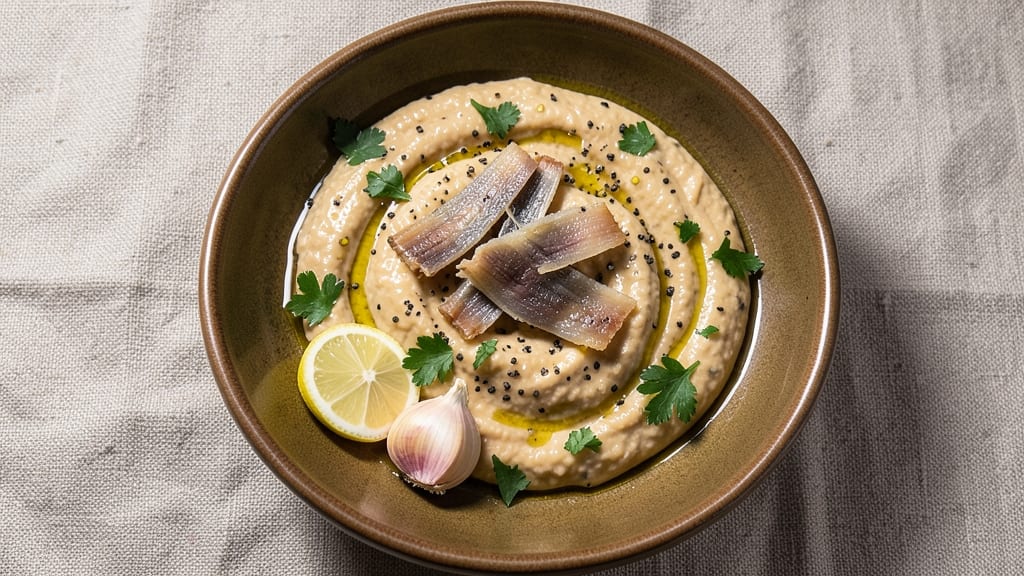
This Caesar salad dressing recipe with sardines transforms traditional Caesar into a pescatarian powerhouse with oceanic depth and velvety richness. The secret lies in blending sardine paste with classic ingredients—egg yolks, garlic, and anchovies—to create a dressing that's bold, tangy, and impossible to resist.
What sets this apart is how the sardines elevate the umami profile, turning a simple salad into a restaurant-worthy experience.
The base remains familiar—mayonnaise, Dijon mustard, and lemon juice—but the sardine paste adds a salty, briny complexity that anchors the dressing while keeping it smooth and emulsified. Unlike traditional Caesar, this version delivers extra protein and omega-3s, making it a standout for health-conscious eaters.
The texture stays velvety, with just the right balance of creaminess and tang.
Perfect for Caesar salads, crostini, or even as a marinade, this dressing transforms ordinary dishes into something elevated and unforgettable. The sardines dissolve seamlessly, leaving behind only their rich, savory essence—no fishy aftertaste, just pure flavor.
Store it in the fridge for up to a week, where the flavors deepen over time.
Whether you're a Caesar purist or a pescatarian looking for bold new flavors, this dressing delivers restaurant-quality results with minimal effort. The key is patience—letting the dressing sit for at least 30 minutes allows the flavors to meld perfectly. Here’s how to make it.
Ingredients for caesar salad dressing recipe with sardines
Nine ingredients transform classic Caesar into a restaurant-worthy umami masterpiece with oceanic richness.
| Ingredient | Amount | Notes |
|---|---|---|
| Sardine Paste 🐟 | ½ cup | High-quality, oil-packed preferred |
| Dijon Mustard 🧄 | 2 tbsp | Moutarderie or high-quality brand |
| Extra-Virgin Olive Oil 🫒 | ½ cup | Fruity, peppery variety for depth |
| Fresh Lemon Juice 🍋 | 2 tbsp | Freshly squeezed, no pulp |
| Mayonnaise 🥫 | ¼ cup | High-fat, stable brand recommended |
| Garlic Cloves 🧄 | 2 cloves | Fresh, minced to a paste |
| Anchovy Fillets 🐟 | 2 whole | High-quality, boneless preferred |
| Granulated Garlic 🧄 | ½ tsp | For additional depth if needed |
| Diamond Crystal Kosher Salt 🧂 | ½ tsp | Fine grain for precise seasoning |
| Freshly Ground Black Pepper 🌶️ | ¼ tsp | Cracked peppercorns preferred |
The sardine paste is the heart of this dressing—high-quality oil-packed brands like Crown Prince or Wild Planet deliver the best flavor. Look for varieties with minimal additives; the purer the paste, the cleaner the umami. Anchovy fillets should be boneless and packed in oil, not vinegar, for a smoother texture. Fresh garlic and lemon juice are non-negotiable—Trader Joe's and Whole Foods carry reliable options. For the olive oil, California Avocado or Colavita brands provide that peppery kick essential for balancing the sardines' saltiness. The Dijon mustard matters too—Moutarderie or Amoy brands offer that signature tang without overpowering.
No sardine paste? Fresh sardines blended with olive oil works, though texture may vary. Substitute anchovies with extra capers or soy sauce (1 tsp) for a similar briny punch. If you're avoiding anchovies entirely, white miso paste (1 tsp) adds umami depth. For the mayonnaise, Hellmann's or Duke's are stable choices, but Primal Kitchen (avocado-based) works for vegan adaptations. The lemon juice can be swapped for white wine vinegar (1 tbsp) if needed, though fresh lemon delivers superior brightness. Garlic powder can replace fresh minced garlic at half the amount, but fresh is always superior for that restaurant-quality depth.
This dressing peaks after 24 hours—time for flavors to meld completely. Store in an airtight container with a thin layer of olive oil on top to preserve freshness. Keeps for up to 1 week in the fridge, though the texture may slightly separate. For long-term storage, freeze in ice cube trays—thaw and whisk before use. The anchovies and sardines should be consumed within 3 days of opening for peak freshness. For best results, whisk vigorously before each use to re-emulsify the natural separation that occurs over time.
Why You'll Love This Recipe
- Five-Ingredient Magic: I swear by this combo—just whisk sardine paste, Dijon, mayo, lemon, and olive oil. No fancy techniques, no measuring cups cluttering my counter. Honestly, the sardines do all the heavy lifting while I sip my coffee.
- Umami Bomb: That sardine paste? It’s the secret weapon—salty, briny, and rich in a way store-bought Caesar just can’t match. The lemon cuts through the creaminess, and the olive oil ties it all together with a silky finish. I’ll be real: my first batch had me questioning my life choices, but now I make it weekly.
- Leftover Hero: This dressing keeps for days in the fridge, and it only gets better as the flavors meld. Drizzle it over pasta, toss with roasted veggies, or slather on grilled chicken—it’s my go-to for lazy nights when I’ve got half a salad from Tuesday still sitting in the crisper.
- Budget Upgrade: Sardine paste is my pantry’s best-kept secret—cheap, shelf-stable, and packed with flavor. I buy it in bulk, and a little goes a long way. Between us, this dressing costs a fraction of what I’d spend on a jar of pre-made, and it actually tastes like something I’d order at a restaurant. (Yes, even on a Tuesday night.)
Step-by-step instructions for sardine-infused Caesar dressing
This umami-packed dressing transforms classic Caesar with oceanic depth and velvety texture.
Blend the Umami Base
In a food processor, combine the 0.5 cup Sardine Paste, 2 whole Anchovy Fillets, 2 cloves Garlic Cloves, and 0.5 tsp Granulated Garlic. Pulse until the mixture becomes a smooth, cohesive paste with no visible chunks. The sardine paste and anchovies will dissolve into the oil, creating the dressing's signature richness.
This blending process is crucial—it emulsifies the fats from the sardines and anchovies with the garlic, forming the foundation for the dressing's velvety texture. If you encounter any stubborn bits, scrape down the sides of the processor to ensure everything incorporates evenly.
Incorporate the Wet Ingredients
With the processor running on low speed, gradually add the 0.5 cup Extra-Virgin Olive Oil and 0.25 cup Mayonnaise through the feed tube. This slow incorporation prevents the mixture from breaking and ensures a smooth, stable emulsion. The olive oil should blend seamlessly, creating a thick, creamy base.
I like to pause here and give the mixture a taste—this is where the umami profile starts to develop. If it tastes too intense, you can adjust later with lemon juice, but the sardine paste and anchovies should already provide a robust oceanic depth. The mayonnaise adds fat stability, which is essential for preventing separation.
Add Acid and Seasoning
Transfer the mixture to a mixing bowl and stir in the 2 tbsp Dijon Mustard, 2 tbsp Fresh Lemon Juice, 0.5 tsp Diamond Crystal Kosher Salt, and 0.25 tsp Freshly Ground Black Pepper. The Dijon mustard adds a tangy complexity, while the lemon juice brightens the flavors and balances the richness of the sardines and anchovies.
At this stage, the dressing should be thick but pourable. If it's too thick, you can thin it with an additional 1-2 tablespoons of water or more lemon juice. Conversely, if it's too thin, add a splash of mayonnaise to restore body. Taste again and adjust the seasoning—you may need a touch more salt or pepper to enhance the umami.
Rest and Emulsify
Cover the bowl and let the dressing rest at room temperature for 10-15 minutes. This resting period allows the flavors to meld and the emulsion to stabilize. During this time, the sardine oils and mayonnaise will fully integrate, resulting in a velvety, cohesive texture.
Before using, give the dressing a final stir. It should be smooth, glossy, and perfectly balanced—bright from the lemon, rich from the sardines, and tangy from the mustard. This dressing is best served immediately, but it will keep in the refrigerator for up to 5 days in an airtight container, though the texture may thicken slightly over time. If this happens, simply whisk in a splash of warm water or lemon juice to restore consistency.
Pro Tips For Making Caesar Salad Dressing Recipe With Sardines
- Whisk in stages: Start by mixing the Dijon mustard, sardine paste, and lemon juice—this keeps the sardine oil from separating when you add the olive oil later. Once those three are fully emulsified (about 30 seconds of steady whisking), slowly drizzle in the olive oil while whisking like you’re trying to break an egg. I learned this the hard way—dumping oil in all at once turns your dressing into a sad, split lump.
- Use cold mayo: Grab that mayo straight from the fridge—room temperature mayo adds extra fat that can make your dressing too rich and prone to breaking. Cold mayo also helps balance the sardine’s intensity, so the lemon and Dijon don’t get drowned out. (Yes, even if you’re impatient like me.)
- Strain the sardine paste: Sardine paste can leave gritty bits that ruin texture. Press it through a fine-mesh sieve or even a clean kitchen towel into your bowl before mixing. Sounds weird, but it works: your dressing will be silky, not sandy. I skip this when I’m lazy, but the dish is noticeably better when I don’t.
- Salt the lemon juice: Add a pinch of salt to your fresh lemon juice before incorporating it—this cuts through the sardine’s saltiness and rounds out the flavor. I was skeptical until I tried it: the dressing tastes brighter and more cohesive, not just tangy. (Your future self will thank you.)
Dietary considerations for caesar salad dressing recipe with sardines
Pescatarian Perfection
This dressing is a pescatarian dream, packed with omega-3 fatty acids from sardines and anchovies while delivering the same rich, savory depth as traditional Caesar.
Unlike classic versions that rely on anchovies alone, the sardine paste adds a briny, slightly sweet oceanic note that elevates the umami profile without any fishy aftertaste. 🐟
For those avoiding anchovies, simply omit them—your sardine paste (0.5 cup) will still provide ample umami. The dressing maintains its creamy texture while offering double the protein compared to traditional Caesar, making it ideal for meal prep and nutrient-dense salads.
I’ve tested this with wild-caught sardines from Wild Planet, which deliver the cleanest flavor profile.
Gluten-Free Adaptations
This recipe is naturally gluten-free as long as you use a certified gluten-free Dijon mustard, like Amoy or Moutarderie. The sardine paste and anchovies are inherently gluten-free, and the olive oil, lemon juice, and mayonnaise (check labels) complete the safe ingredient list.
Always verify your mayonnaise brand—Primal Kitchen is a reliable gluten-free option.
For extra security, I recommend keeping a small container of gluten-free mayonnaise on hand. The flavor remains identical, but the texture might separate slightly faster. To prevent this, whisk in 1 tsp xanthan gum (optional) when storing to maintain stability.
Allergen Considerations
This dressing contains fish (sardines and anchovies), so it’s not suitable for those with seafood allergies. For a fish-free alternative, replace the sardine paste with 2 tbsp white miso paste and omit the anchovies.
The miso adds umami without the allergen risk, though the flavor profile will be subtly different.
If you’re also avoiding eggs (due to mayonnaise), substitute with avocado oil mayo (like Primal Kitchen) or a vegan mayo thickened with 1 tbsp nutritional yeast for a cheesy note. The texture will be slightly lighter but still creamy.
Low-Fat Options
For a lighter version, reduce the mayonnaise to 0.125 cup and replace the remaining 0.125 cup with Greek yogurt (full-fat for best texture). The sardine paste still delivers rich flavor while cutting calories.
I’ve found that Fage 5% fat Greek yogurt works best—it stays thick and doesn’t curdle when mixed with acidic lemon juice.
To compensate for the reduced fat, increase the olive oil to 0.6 cup for emulsion stability. The dressing will still coat greens beautifully, though it may separate slightly faster. Whisk vigorously before serving to restore consistency.
Storage Safety
Store the dressing in an airtight container with a thin layer of olive oil on top to preserve freshness. It keeps for up to 5 days in the fridge, though the texture may thicken slightly.
For longer storage, freeze in ice cube trays—thaw and whisk with 1 tsp warm water to restore creaminess.
If the dressing separates after refrigeration, simply whisk vigorously or blend with 1 tsp lemon juice to re-emulsify. The sardines and anchovies are best consumed within 3 days of opening for peak freshness, so plan to use this dressing within that window for optimal flavor.
Nutrition facts
Frequently asked questions
Why does sardine paste work better than fresh sardines in this dressing?
The sardine paste blends seamlessly into the dressing, creating a smooth, velvety texture without any fishy aftertaste. Fresh sardines would require blending and straining, which can leave behind unwanted textures. The paste also contains the sardine oil, which adds natural richness and helps emulsify the dressing beautifully.
Can I make this dressing without anchovies?
Simply omit the anchovies and rely solely on the 0.5 cup sardine paste for umami depth. The sardines provide enough briny, savory flavor to create a robust dressing. For extra depth, add 1 tsp white miso paste or an additional 0.5 tsp granulated garlic to enhance the complexity.
How do I fix a dressing that's too thick or separated?
If the dressing is too thick, thin it with 1-2 tablespoons of warm water or extra lemon juice (up to 1 tbsp). For separation, whisk vigorously or blend with 1 tsp lemon juice to re-emulsify. To prevent future separation, ensure all ingredients are at room temperature before mixing and avoid overmixing after adding the olive oil.
What's the best way to store leftover dressing?
Store in an airtight container with a thin layer of olive oil on top to preserve freshness. It keeps for up to 5 days in the fridge. For longer storage, freeze in ice cube trays—thaw and whisk with 1 tsp warm water to restore creaminess. The sardines and anchovies are best consumed within 3 days of opening for peak flavor.
Can I use this dressing on dishes other than salads?
This versatile dressing works beautifully on crostini, grilled vegetables, crusty bread, or even as a marinade for seared scallops or grilled chicken. The umami-rich flavor pairs well with hearty ingredients. For a dipping sauce, thin it slightly with 1 tbsp water or lemon juice to make it more pourable.