Sauces & Condiments
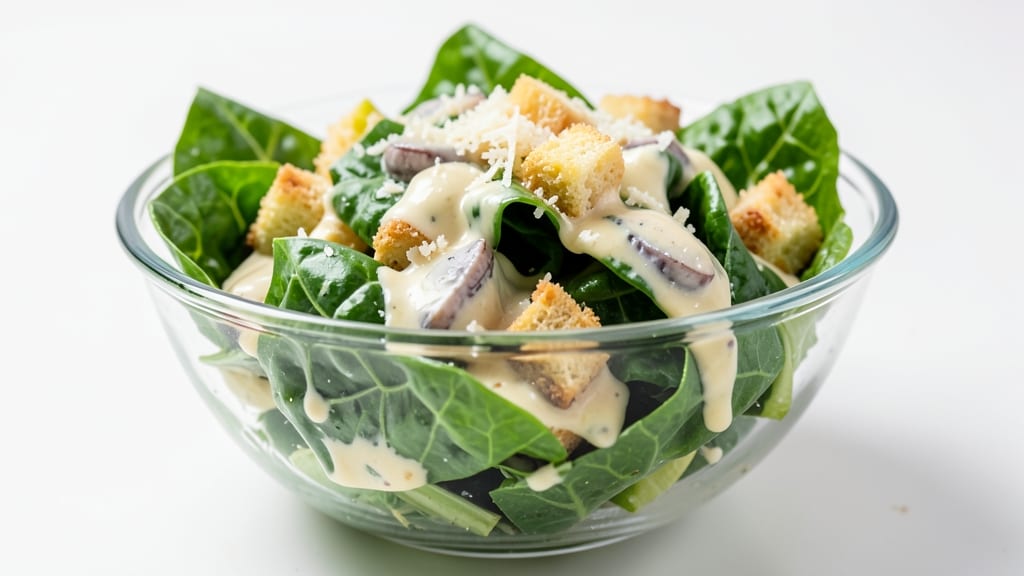
This caesar salad dressing recipe with its bold ingredients delivers the rich, tangy depth of anchovy-parmesan velout without relying on mayo.
The secret lies in emulsifying egg yolks with olive oil, creating a velvety base that anchors bold flavors—salty anchovies, sharp lemon, and nutty Parmesan—while Dijon mustard and Worcestershire add complexity. Traditional Caesar demands precision, but the result is a dressing so luxurious it transforms simple greens into a gourmet experience.
The foundation begins with anchovies and Parmesan, traditionally blended into a paste that forms the dressing's umami backbone. Lemon juice brightens the richness, while garlic and Dijon mustard provide the signature tang. Olive oil, slowly incorporated, creates a stable emulsion that coats every leaf without breaking.
This method yields a dressing with restaurant-quality depth—no mayo means a cleaner, more authentic flavor profile that stands up to hearty toppings like croutons and grilled chicken.
What sets this recipe apart is its versatility: the same technique works for classic Caesar or modern twists like vegan adaptations (using nutritional yeast and olive brine). The emulsion remains silky even after chilling, making it ideal for meal prep.
Each ingredient plays a critical role—skipping any risks losing that signature tangy, savory balance. For those new to emulsions, the step-by-step process ensures success without guesswork.
Perfect for salads, drizzled over grilled vegetables, or even as a marinade, this dressing elevates any dish with its complex, layered flavor. The key to mastering it lies in patience—slowly combining oil with the yolk mixture to prevent separation.
Once perfected, you'll never buy bottled Caesar again. Here’s how to make it flawlessly.
Ingredients for caesar salad dressing recipe ingredients
Ten essential ingredients transform into restaurant-quality Caesar dressing without mayo's heaviness.
| Ingredient | Amount | Notes |
|---|---|---|
| Fresh Egg Yolks 🥚 | 3 whole | Room temperature for best emulsion |
| Extra-Virgin Olive Oil 🫒 | 1 cup | High-quality, fruity variety preferred |
| Anchovy Fillets 🐟 | 4 whole | High-quality, packed in olive oil |
| Parmesan Cheese 🧀 | ½ cup | Freshly grated, fine-grade preferred |
| Fresh Lemon Juice 🍋 | 2 tbsp | Freshly squeezed, no pulp |
| Garlic Cloves 🧄 | 1 whole | Minced finely for smooth texture |
| Dijon Mustard 🌶️ | 1 tsp | High-quality for authentic tang |
| Worcestershire Sauce 🍶 | 1 tsp | Anchovy-free for vegetarian adaptation |
| Diamond Crystal Kosher Salt 🧂 | ½ tsp | Fine grain for delicate seasoning |
| Ground Black Pepper 🌶️ | ¼ tsp | Freshly ground for optimal flavor |
The anchovies and Parmesan form the dressing's umami foundation—high-quality fillets (like Colavita or Cristal) and freshly grated Parmigiano-Reggiano are non-negotiable. Grocery stores often carry pre-packed anchovies, but Whole Foods or specialty markets offer superior options. For the olive oil, California extra-virgin brands like Corto or Otto provide the fruity depth needed to balance the dressing's bold flavors. The egg yolks should be room temperature—cold yolks emulsify poorly, leading to separation.
No anchovies? Olive brine or nutritional yeast creates a vegan alternative, though the umami depth will differ. Substitute Worcestershire with soy sauce plus a pinch of sugar for a similar tang. The Dijon mustard can be swapped for whole-grain mustard at a 1:1 ratio, though it may add slight texture variation. For those avoiding garlic, garlic powder at half the amount works in a pinch. The lemon juice must be freshly squeezed—bottled versions lack the brightness needed to cut through the richness. If you're making this ahead, add lemon juice last to prevent curdling during storage.
This dressing maintains its silky texture for 5-7 days refrigerated, though flavor peaks within the first 24 hours. Store in an airtight container with a thin layer of olive oil on top to preserve freshness. For meal prep, divide into small jars—2-ounce portions work perfectly for individual salads. The emulsion remains stable even after chilling, though gentle whisking before use ensures a velvety consistency. Freezing isn't recommended as it alters the texture, but you can freeze the base (without lemon juice) for up to 3 months
Why You'll Love This Recipe
- Five-Ingredient Magic: I swear by this lineup—egg yolks for richness, anchovies for that umami punch, and lemon to cut through it all. The pantry staples here actually make it feel like a restaurant-quality shortcut.
- No Blender Needed: Honestly, a fork and a bowl are all you’ll need. Whisk those yolks and oil until they’re silky, then fold in the grated Parmesan—no fancy tools, just pure, creamy satisfaction.
- Game for Any Meal: This dressing works on grilled chicken, crusty bread, or even scrambled eggs. I’ve drizzled it over pasta when I’m lazy, and no one ever questions it.
- Pantry Goldmine: Anchovies and Parmesan stretch this recipe into a week’s worth of dressings. The yolks add decadence without breaking the bank, and that lemon keeps it fresh longer than store-bought ever could.
Step-by-step instructions for anchovy-Parmesan velouté dressing
This emulsion-based Caesar dressing delivers authentic richness without mayo—follow these precise steps for a silky, flavorful result.
Prepare the Garlic-Anchovy Base
In a small saucepan, combine the 4 whole anchovy fillets with the 1 whole garlic clove (minced) and 1 cup extra-virgin olive oil. Heat over low heat for 3-4 minutes until the anchovies dissolve completely and the mixture becomes fragrant. This step extracts maximum flavor while preventing the oil from overheating.
Strain the mixture through a fine-mesh sieve into a clean bowl to remove any solids. Discard the anchovy skins and garlic remnants—they've done their job. The strained oil should be smooth and golden, carrying all the umami depth from the anchovies. Let this cool to room temperature before proceeding.
Create the Egg Yolk Emulsion
In a separate bowl, whisk together the 3 whole fresh egg yolks with the 0.5 cup Parmesan cheese (finely grated), 1 tsp Dijon mustard, 1 tsp Worcestershire sauce, 0.5 tsp Diamond Crystal kosher salt, and 0.25 tsp ground black pepper. The mixture should be thick and pale yellow—this is your flavor foundation.
Slowly drizzle in ¼ cup of the cooled anchovy-infused olive oil while whisking constantly. This gradual addition prevents the eggs from scrambling and creates a stable emulsion. Once incorporated, the mixture should thicken noticeably. This step is critical—if the eggs curdle, start over with fresh yolks.
Emulsify with Remaining Oil
With the bowl positioned over a double boiler (or a heatproof bowl over simmering water), slowly drizzle in the remaining ¾ cup anchovy oil while whisking vigorously. Maintain low heat throughout this process—never let the mixture exceed 160°F or the eggs will cook.
The dressing should begin to thicken into a velvety texture. For the best results, continue whisking for 2-3 minutes after all the oil is incorporated. This ensures a smooth, homogeneous consistency. If the dressing becomes too thick, thin it with 1 tsp water at a time until it reaches a pourable but clingy texture.
Finish with Acid and Adjust Seasoning
Remove the bowl from heat and stir in the 2 tbsp fresh lemon juice. This acid component brightens the flavors and balances the richness. Taste immediately and adjust seasoning if needed—add more kosher salt or black pepper if the dressing tastes flat.
The dressing should have a tangy, savory profile with a luxurious mouthfeel. For immediate use, chill for 30 minutes to allow flavors to meld. For best results, refrigerate for up to 3 days—the flavors deepen over time. This velouté-style dressing clings beautifully to romaine and adds authentic Caesar character without dairy.
Pro Tips For Making Caesar Salad Dressing Recipe Ingredients
- Whisk Yolks Slowly: Start with just the yolks and anchovies in the bowl, whisking them into a pale, ribbony foam before adding anything else. I learned this the hard way—dumping in olive oil too soon makes the dressing break and curdle, no matter how much you whisk after.
- Use Cold Yolks: Chill your egg yolks in the fridge for 10 minutes before starting. Cold yolks emulsify better and resist curdling when you add the oil—this is the thing that matters most when you’re making dressing ahead of time.
- Grate Parmesan Fresh: Skip the pre-grated cheese—it’s full of anti-caking agents that make your dressing grainy. Use a microplane or fine grater right before mixing, and aim for about 1/2 cup of actual cheese, not the "as-packaged" measurement.
- Warm the Oil First: Heat the olive oil to 100°F (just warm to the touch) before slowly drizzling it into the yolk mixture. This helps the emulsion form faster and keeps the dressing from separating later—yes, even if you’re impatient like me.
Flavor customization for these flavors
Classic vs. Modern
The traditional Caesar dressing relies on anchovies and Worcestershire for its signature umami depth, but modern adaptations swap these for nutritional yeast and olive brine.
I’ve found that using 1 tbsp nutritional yeast (like Bragg) plus 1 tsp olive brine (from jarred capers or olives) mimics the savory punch while keeping it vegan.
For a lighter touch, some chefs reduce the Parmesan to ¼ cup and add 1 tsp lemon zest to brighten the profile. 🌱
Spicy Heat Levels
Crank up the heat by adding ½ tsp cayenne pepper or 1 tsp hot sauce (like Cholula or Tabasco) to the yolk mixture before emulsifying. For smoky depth, stir in ½ tsp smoked paprika after adding the lemon juice.
If you love garlic, double the minced clove to 2 cloves—just be prepared for a bold, pungent kick that pairs perfectly with grilled chicken or avocado toppings.
Sweet-Tangy Balance
Balance the savory richness with a touch of sweetness by adding 1 tsp honey or ½ tsp maple syrup to the yolk mixture. For a fruity twist, swap the lemon juice for 1 tbsp orange juice and a pinch of zest.
This works surprisingly well with roasted beet salads or citrusy toppings like mandarin oranges. The key is to add sweetness after emulsifying to avoid destabilizing the dressing.
Herb Infusions
Fresh herbs elevate this dressing beyond the classic. Stir in 1 tbsp finely chopped chives or 1 tsp dried oregano for a Mediterranean flair. For a brighter profile, blend in 1 tbsp fresh basil or 1 tsp tarragon after adding the lemon juice.
I love this herb-infused version drizzled over arugula salads with shaved fennel—it’s a game-changer for spring menus. 🌿
Umami Boosters
For an extra layer of depth, incorporate 1 tsp miso paste (white or red) into the yolk mixture or add ½ tsp fish sauce (like Red Boat) for a Southeast Asian-inspired twist.
Both work surprisingly well with the dressing’s tangy base. If you’re avoiding anchovies entirely, a ½ tsp soy sauce in place of Worcestershire adds a similar savory note without overpowering the lemon’s brightness.
Texture Variations
Want a thicker dressing? Reduce the olive oil to ¾ cup total and add 1 tsp cornstarch to the yolk mixture before emulsifying. For a creamier texture without eggs, blend 2 tbsp silken tofu into the yolk mixture—it mimics the body beautifully.
I’ve also seen chefs add 1 tbsp crumbled blue cheese for a bold, tangy contrast that pairs perfectly with crispy bacon or pears on salads.
Nutrition facts
Frequently asked questions
Can I make this Caesar dressing without anchovies?
Yes! For a vegetarian version, replace the 4 anchovy fillets with 1 tbsp nutritional yeast (like Bragg) plus 1 tsp olive brine from capers or olives. The umami depth will differ slightly, but it still delivers that signature tangy flavor. For extra richness, add ½ tsp soy sauce to mimic Worcestershire's depth.
Why did my dressing separate?
Separation usually happens when oil is added too quickly or the mixture gets too hot. Always whisk constantly and maintain low heat (never exceed 160°F). For a quick fix, whisk in 1 tsp water or 1 tsp lemon juice to re-emulsify. If that fails, start over with fresh yolks—this emulsion is delicate!
How long will this dressing keep?
Store in an airtight container with a thin layer of olive oil on top to preserve freshness. It stays silky for 5-7 days refrigerated, though flavors peak within 24 hours. For meal prep, divide into 2-ounce portions—perfect for individual salads. Freezing isn't recommended as it alters texture, but you can freeze the base (without lemon juice) for 3 months.
What's the best way to thicken this dressing?
For a thicker consistency, reduce olive oil to ¾ cup total and add 1 tsp cornstarch to the yolk mixture before emulsifying. Alternatively, blend in 2 tbsp silken tofu for a creamier texture without eggs. Always adjust gradually—too much thickener can break the emulsion. The ideal texture should coat the back of a spoon but still drizzle smoothly.
Can I use this dressing for anything besides salads?
This versatile dressing works as a marinade for grilled chicken or fish, a dip for crusty bread, or a sauce for pasta. Try drizzling it over roasted vegetables or using it as a finishing sauce for steak. The key is to balance its bold flavors with complementary ingredients—it pairs especially well with citrus, avocado, or crispy toppings like bacon or croutons.