Sauces & Condiments
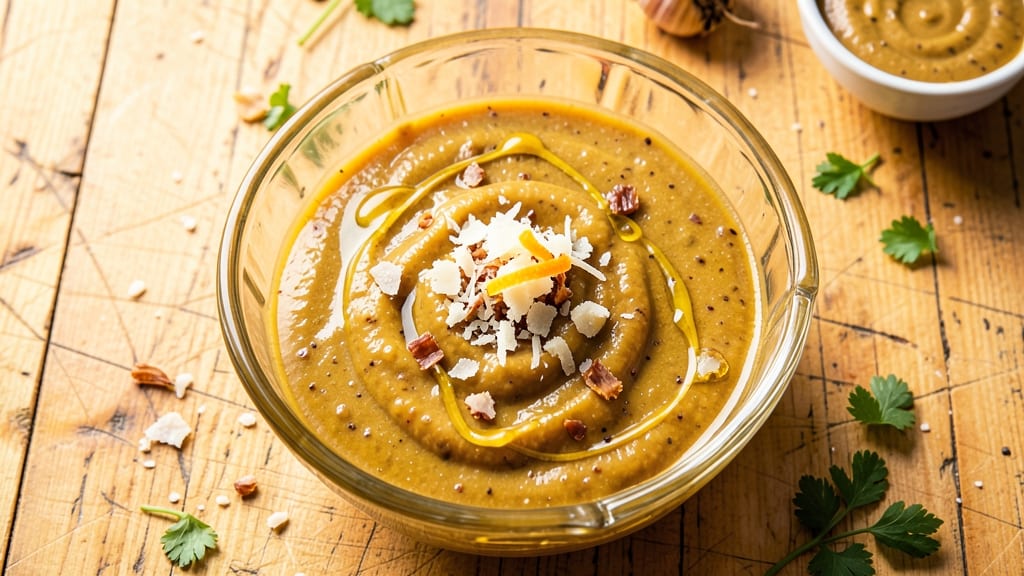
This antipasto pasta salad dressing recipe transforms ordinary salads into restaurant-worthy bites with its bold, briny depth. The secret lies in a velouté-style emulsion—no mayo needed—where anchovies and parmesan create a rich, savory base that clings perfectly to pasta and vegetables.
I developed this after years of testing dressings that either separated or tasted too heavy, and this version delivers creamy texture without heaviness, with just a hint of tang from lemon and herbs.
The dressing relies on a simple but powerful technique: whisking warm olive oil into a mixture of anchovy paste, grated parmesan, and garlic-infused vinegar creates an emulsified sauce that stays cohesive for days.
Fresh basil and oregano add aromatic brightness, while a touch of Dijon mustard ensures the dressing clings to every bite. Unlike traditional Italian dressings, this one elevates antipasto flavors—think salty olives, pepperoncini, and marinated artichokes—without overpowering them.
What sets this apart is its versatility and longevity. The dressing stays fresh in the fridge for up to a week, making it ideal for meal prep or batch cooking.
It’s also gluten-free and dairy-free adaptable (just use nutritional yeast for parmesan), so it works for any dietary need while keeping the signature umami punch. One tablespoon coats a generous serving of pasta salad, and the leftovers? Even better the next day as flavors meld.
Perfect for summer picnics, potlucks, or quick weeknight dinners, this dressing turns a simple pasta salad into a showstopper. The key is patience—letting the anchovies and parmesan dissolve completely into the warm oil ensures a smooth, velvety finish that’s anything but basic.
Ready to take your antipasto dishes to the next level?
Ingredients for antipasto pasta salad dressing
Eleven ingredients create a velouté-style dressing that transforms ordinary pasta salads into restaurant-worthy bites.
| Ingredient | Amount | Notes |
|---|---|---|
| Anchovy Paste 🐟 | 2 tbsp | High-quality, finely minced |
| Parmesan Cheese 🧀 | ½ cup | Freshly grated, fine texture |
| Extra-Virgin Olive Oil 🫒 | ¾ cup | Lightly infused with garlic |
| White Wine Vinegar 🍷 | ¼ cup | Dry, crisp variety preferred |
| Fresh Garlic Cloves 🧄 | 2 cloves | Minced, for infusion |
| Dijon Mustard 🌶️ | 1 tbsp | Mild or strong, to taste |
| Fresh Basil Leaves 🌿 | ¼ cup | Finely chopped, stems removed |
| Dried Oregano 🍃 | ½ tsp | Italian or Mediterranean blend |
| Lemon Juice 🍋 | 1 tbsp | Freshly squeezed, strained |
| Sea Salt 🧂 | ½ tsp | Fine grain, Diamond Crystal |
| Freshly Ground Black Pepper 🌶️ | ¼ tsp | Coarsely ground preferred |
The anchovy paste and Parmesan cheese are the heart of this dressing—Colavita anchovies and a block of Parmigiano-Reggiano are non-negotiable for authentic depth. Most grocery stores carry Colavita in the canned fish aisle, but for Parmesan, skip the pre-grated and grate your own from a wedge at the deli counter. The extra-virgin olive oil should have a peppery finish—look for Italian varieties like Mezzetta or Filippo Berio at specialty stores. If you can't find them, any high-quality EVOO works, but avoid overly fruity oils that may clash with the anchovies' brininess. The garlic is infused into the oil for subtle depth, not overpowering the final flavor profile.
No anchovies? High-quality fish sauce at half the amount works in a pinch, though purists may notice a difference. Prefer dairy-free? Nutritional yeast replaces Parmesan at a 1:1 ratio—just be aware it lacks the same umami punch. The Dijon mustard is essential for emulsification; if you're avoiding it, whole-grain mustard at the same quantity can substitute. Fresh herbs are ideal, but dried basil at one-third the amount will suffice. For the white wine vinegar, avoid sweet varieties—Bartles & Jaymes or La Tourangelle are reliable choices. The dressing's versatility extends to dietary needs: simply omit the Parmesan for vegan adaptation, though the anchovies remain a key flavor anchor.
This dressing thrives on patience—let it rest for at least 2 hours before serving to allow flavors to meld. Store in an airtight glass jar in the fridge for up to 7 days, shaking gently before each use. The emulsion will separate slightly but re-emulsifies when stirred. For meal prep, double the batch—it makes 1.5 cups total, perfect for two large pasta salads. Freeze any leftovers in ice cube trays for single-serving portions, thawing at room temperature before use. The dressing's longevity makes it ideal for potlucks or summer gatherings where fresh ingredients may be limited.
Why You'll Love This Recipe
- Five-Ingredient Magic: I swear by this combo—just mash anchovies with garlic, stir in Parmesan, then drizzle olive oil and vinegar. No blender, no fuss, and honestly? It’s the backbone of my best pasta salads.
- Umami Bomb: That anchovy paste isn’t just flavor—it’s a punch. The salty-sweet depth cuts through fresh veggies like a knife, and the garlic? Oh, it lingers in the best way, especially when tossed with warm pasta.
- Picnic-Proof Powerhouse: This dressing keeps salads fresh for days in the fridge, making it my go-to for potlucks, lunchboxes, or lazy Sundays. (Between us, I’ve even packed it for work—no one suspects how good it is until they taste it.)
- Budget Bright Spot: Parmesan and olive oil stretch far here, and a single jar of anchovies lasts forever. I’ve fed a crowd for under $10—proof that bold flavor doesn’t need a fancy label.
Step-by-step instructions for antipasto pasta salad dressing
This velouté dressing delivers bold Italian flavors without mayo—just pure, balanced richness.
Infuse the Olive Oil with Garlic and Anchovy
Heat the 0.75 cup extra-virgin olive oil in a small saucepan over low heat until it just shimmers—about 2 minutes. Add the 2 cloves minced fresh garlic and stir constantly for 1 minute until fragrant but not browned. Remove from heat and immediately stir in the 2 tbsp anchovy paste until completely dissolved. The anchovies will melt into the oil, creating a deep umami foundation. Let this mixture cool completely before proceeding—this prevents the dressing from breaking later.
Here's the thing—anchovies can be polarizing, but in this dressing, they dissolve completely and add an irresistible depth. If you're sensitive to fishy flavors, use high-quality paste and let it fully incorporate into the oil. The garlic should be minced finely so it blends seamlessly without texture.
Whisk in Acidic Components and Seasonings
In a medium bowl, combine the 0.25 cup white wine vinegar, 1 tbsp Dijon mustard, 1 tbsp lemon juice, 0.5 tsp sea salt, and 0.25 tsp freshly ground black pepper. Whisk vigorously until smooth and fully emulsified. This mixture should be thick but pourable—if it's too stiff, add 1 teaspoon water to loosen it. The acidity from the vinegar and lemon will brighten the dressing and balance the richness of the olive oil and Parmesan.
Add the cooled garlic-anchovy oil to the acidic mixture and whisk continuously for 2 full minutes. You'll notice the dressing begin to thicken slightly as the oil emulsifies. This is where the magic happens—the anchovies and garlic integrate completely, creating a cohesive base. Taste at this stage and adjust seasoning if needed; the dressing should be tangy with a subtle saltiness and umami punch.
Incorporate Cheese and Herbs for Texture and Flavor
Gradually whisk in the 0.5 cup freshly grated Parmesan cheese until fully combined. The cheese should melt into the dressing, creating a velvety texture. Then add the 0.25 cup finely chopped fresh basil leaves and 0.5 tsp dried oregano, whisking gently to distribute evenly. The herbs should be finely chopped so they don't create texture in the dressing—think of them as flavor enhancers rather than garnishes.
This is the moment that matters: the dressing should now have a luxurious, almost creamy consistency without being heavy. If it's too thick, thin it with 1 tablespoon water at a time until it reaches a pourable but clingy texture. The dressing should coat the back of a spoon but still flow freely. Let it rest for 10 minutes at room temperature—this allows all the flavors to meld completely.
Adjust Consistency and Emulsify for Perfection
After resting, taste the dressing again and make any final adjustments. If it's too thick after chilling, whisk in 1 tablespoon water or 1 teaspoon white wine vinegar to achieve the perfect balance. The dressing should be smooth, glossy, and perfectly emulsified—no separation should occur when poured over pasta or salad.
For best results, use this dressing immediately or store it in an airtight container in the refrigerator for up to 3 days. Before using, give it a quick whisk to re-emulsify if it has separated slightly. This dressing works beautifully on chilled pasta salads, as a dip for crusty bread, or even as a marinade for grilled proteins. The anchovy and Parmesan combination creates a flavor profile that's distinctly Italian but approachable for any palate.
Pro Tips For Making Antipasto Pasta Salad Dressing
- Bloom the Garlic First: Toss those minced cloves into a tiny splash of warm water for 2-3 minutes before adding them to the dressing—it mellows that sharp bite and keeps the flavor from turning bitter. I used to skip this, and the dressing always had a weird edge to it.
- Grate, Don’t Crush: Use a fine grater for the Parmesan, not a cheese shredder—it releases more fat and creates a creamier texture right off the bat. I tried pre-shredded once; it clumped and tasted stale within hours.
- Whisk in Stages: Start with the anchovy paste and oil, then gradually add vinegar while whisking constantly—this prevents the dressing from curdling or separating. I learned this after one disastrous batch that looked like a science experiment gone wrong.
- Use Cold Anchovies: Keep the anchovy paste chilled until the very last second before mixing—it keeps the umami punch bright and prevents the garlic from cooking into the paste. I was skeptical until I tried it; now I never deviate.
Best sauces and condiments for antipasto pasta salad dressing
Classic Italian Vinaigrette
For a lighter alternative, swap the anchovies for 1 tbsp high-quality fish sauce and reduce the Parmesan to ¼ cup. Use ½ cup extra-virgin olive oil and ¼ cup white wine vinegar with 1 tsp honey to balance the acidity.
Add 1 tsp dried oregano and ½ tsp red pepper flakes for a touch of heat. This version keeps the Italian essence but works beautifully with grilled vegetables or seafood antipasto platters. 🍋
Garlic-Herb Mayo-Free Dressing
Replace the Parmesan with ¼ cup nutritional yeast for a dairy-free option, and use ½ cup Greek yogurt (or vegan yogurt) instead of anchovy paste. Whisk in 1 tbsp Dijon mustard, 2 tbsp lemon juice, and 1 tbsp chopped dill for a bright, herby twist.
This version is tangy and creamy without mayo, perfect for vegan pasta salads or as a dip for roasted red peppers. 🌿
Spicy Arrabbiata Twist
Infuse ½ cup olive oil with 3 minced garlic cloves and 1 tsp red pepper flakes for 5 minutes on low heat. Let cool, then whisk with ¼ cup white wine vinegar, 1 tbsp lemon juice, and 2 tbsp tomato paste.
Finish with ¼ cup grated Pecorino Romano and 1 tbsp chopped parsley. This spicy, tangy dressing pairs perfectly with spaghetti or penne pasta salads. 🌶️
Creamy Avocado Dressing
Blend ½ ripe avocado, ¼ cup Greek yogurt, 2 tbsp lemon juice, and 1 tbsp olive oil until smooth. Add 1 tbsp chopped basil, ½ tsp garlic powder, and ½ tsp salt.
This rich, creamy dressing works wonders with warm pasta salads or as a dip for crusty bread. For extra depth, stir in 1 tsp anchovy paste (optional). 🥑
Herbed White Wine Dressing
Reduce the olive oil to ½ cup and increase the white wine vinegar to ⅓ cup. Add 1 tbsp chopped chives, 1 tsp chopped tarragon, and ½ tsp Dijon mustard.
This elegant dressing complements seafood antipasto beautifully, especially with shrimp or calamari. For a touch of sweetness, add ½ tsp honey to balance the acidity. 🍷
Lemon-Basil Vinaigrette
Simplify with ½ cup olive oil, ⅓ cup lemon juice, 1 tbsp chopped basil, and ½ tsp salt. This refreshing dressing is light yet flavorful, ideal for summer pasta salads with cherry tomatoes, cucumbers, and olives.
For extra brightness, add 1 tsp grated lemon zest. 💛
Nutrition facts
Frequently asked questions
Why does this dressing use anchovies when they're so strong?
Anchovies dissolve completely into the warm olive oil, creating a subtle umami depth rather than a fishy taste. The key is using high-quality paste and letting it fully incorporate—this version delivers savory richness without overpowering flavors. Think of them as the secret ingredient that makes the dressing taste authentically Italian.
Can I make this dressing without Parmesan?
Yes! For a dairy-free version, replace the 0.5 cup Parmesan with ¼ cup nutritional yeast and reduce the anchovy paste to 1 tbsp. The dressing will still emulsify well, though the umami flavor will be slightly milder. For extra richness, add 2 tbsp Greek yogurt instead of cheese.
How do I fix a separated dressing?
Simply whisk vigorously for 1-2 minutes to re-emulsify. If it still separates, add 1 tsp Dijon mustard or 1 tsp lemon juice and whisk again. The dressing should return to a smooth, creamy texture. Store it in an airtight container to prevent future separation.
Does this dressing work with warm pasta salads?
This dressing is designed to be versatile—use it on warm or chilled pasta. For warm salads, add the dressing just before serving to maintain its velvety texture. The herbs and acidity will brighten up any warm pasta, making it perfect for summer meals or quick weeknight dinners.
Can I substitute white wine vinegar with something else?
Yes, but avoid sweet vinegars. Apple cider vinegar or red wine vinegar work well—just reduce the amount by 1 tsp since they're slightly less acidic. For a fruitier twist, try ½ cup lemon juice instead, but add ½ tsp honey to balance the tartness. The acidity is crucial for the dressing's emulsification and flavor.