
Sauces & Condiments
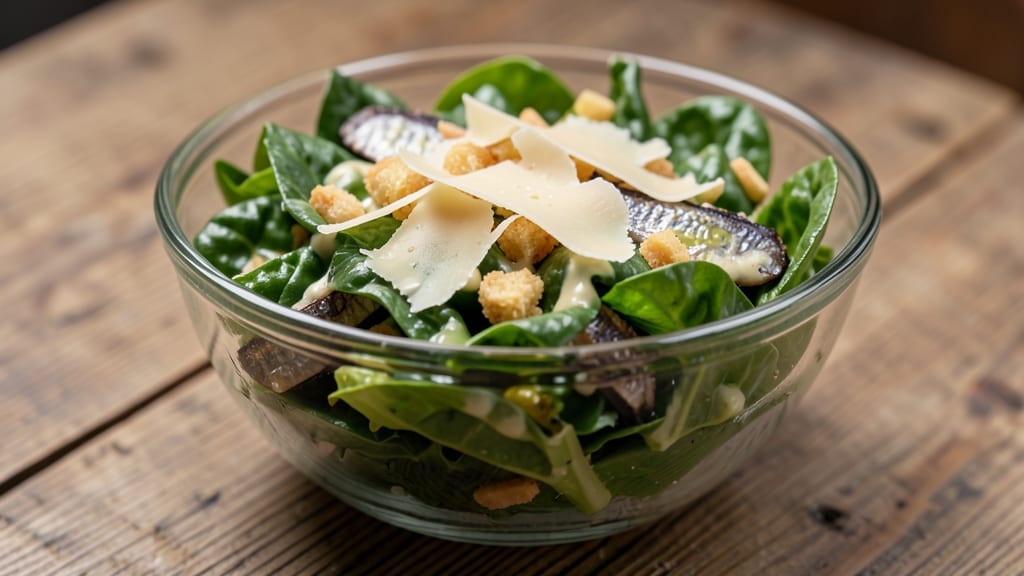
The original Caesar Cardini salad dressing recipe from 1924 delivers bold, umami-rich flavor that transforms simple greens into a restaurant-worthy dish. ✨ This anchovy-parmesan base—with its tangy lemon, garlic, and Worcestershire depth—was born in a Tijuana hotel kitchen and remains the gold standard for Caesar dressings.
The secret lies in emulsifying egg yolk (or vegan mayo) with olive oil for that signature creamy texture.
What sets this recipe apart is its authentic balance—salty anchovies, sharp Dijon mustard, and aged parmesan create layers of flavor that no bottled version can match. The dressing keeps beautifully in the fridge for up to 1 week, making it perfect for meal prep.
Whether you're dressing romaine for a classic Caesar salad or drizzling it over grilled chicken, the rich, savory notes elevate every bite.
For a foolproof emulsion, whisk the ingredients vigorously while slowly drizzling in olive oil—this prevents separation and ensures a velvety finish. The result? A dressing so good, it’ll make you question why you ever bought store-bought. Pair it with crispy croutons and shaved parmesan for the full experience.
This recipe honors Cardini’s original creation while adapting for modern kitchens—whether you’re making it for a crowd or a weeknight dinner. The key ingredients (anchovies, egg yolk, garlic) work together to deliver that unmistakable Caesar flavor that’s been a staple for nearly a century.
Ingredients for caesar cardini salad dressing
Nine essential ingredients transform simple greens into the iconic 1924 Caesar dressing.
| Ingredient | Amount | Notes |
|---|---|---|
| Anchovy Fillets 🐟 | 4 whole | High-quality, packed in oil |
| Extra-Virgin Olive Oil 🫒 | 1 cup | Lightly fruity, cold-pressed |
| Fresh Lemon Juice 🍋 | ½ cup | Strained, seeds removed |
| Large Egg Yolks 🥚 | 2 whole | Fresh, room temperature |
| Dijon Mustard 🌶️ | 1 tbsp | Grainy texture preferred |
| Garlic Cloves 🧄 | 3 cloves | Fresh, minced fine |
| Shaved Parmesan Cheese 🧀 | ½ cup | Freshly grated, aged |
| Worcestershire Sauce 🍶 | 1 tbsp | Anchovy-free if needed |
| Diamond Crystal Kosher Salt 🧂 | ½ tsp | Fine grain preferred |
| Freshly Ground Black Pepper 🌶️ | ¼ tsp | Cracked peppercorns |
The anchovies and Parmesan form the dressing's umami backbone—Cardini's original recipe relied on these for that signature depth. For anchovies, Canned anchovies packed in olive oil (like Importa or Sadelle) work best—they dissolve smoothly and add richness. The Parmesan must be freshly grated; pre-shredded contains anti-caking agents that prevent proper emulsification. Parmigiano-Reggiano is ideal, but aged Parmesan from a block works too. Garlic should be minced fine; a microplane ensures even distribution without bitterness. The Dijon mustard adds tangy complexity—grainy mustard provides better texture than smooth.
No anchovies? High-quality fish sauce at half the amount mimics the umami, though it lacks the salty punch. Substituting the egg yolks requires vegan mayo or aquafaba (whisked stiff), though texture may differ slightly. Worcestershire sauce can be omitted if anchovies are unavailable, but the dressing will lose its signature savory depth. For a dairy-free version, replace Parmesan with nutritional yeast (though flavor will differ). The olive oil should be lightly fruity—California extra-virgin brands like Corto or Olea work best. Lemon juice can be bottled, but fresh yields brighter acidity. If using bottled, opt for Rea or Minute Maid for consistent quality.
This dressing emulsifies best when made fresh, but it keeps for 5-7 days in an airtight jar in the fridge. To prevent separation, store it in a glass jar with a tight seal, and shake vigorously before each use. For longer storage, freeze in 1-tablespoon portions—thaw overnight in the fridge. The emulsion may break slightly after freezing, but a quick whisk restores creaminess. For meal prep, double the batch and store in two separate jars to avoid contamination. Always taste before serving; adjustments to salt or lemon can be made as needed.
Why You'll Love This Recipe
- Five-Ingredient Magic: Honestly, this dressing comes together with just five things—no fancy gadgets, no stress. The yolks and anchovies blend into something richer than store-bought, and I’m talking actual depth, not just saltwater.
- Umami Bomb: That first taste of anchovies and Dijon? It’s like a flavor grenade in the best way. The lemon cuts through the richness, but the olive oil ties it all together—creamy, tangy, and dangerously addictive.
- Weeknight Superstar: I make a double batch on Sundays because it’s my go-to for salads, pasta, or even drizzled over roasted veggies. No last-minute shopping, no guessing—just grab and go for the whole week.
- Budget Game-Changer: Anchovies and eggs stretch this recipe further than any bottled dressing. A little goes a long way, and the cost per serving? Less than half of what you’d pay for pre-made. Plus, it keeps in the fridge for days.
Step-by-step instructions for Caesar Cardini salad dressing
This 1924 original recipe delivers authentic depth through precise technique and quality ingredients.
🍳 Step 1: Create the Anchovy-Parmesan Base
Place the 4 whole anchovy fillets in a clean, dry bowl and mash them into a paste using the back of a fork or a wooden spoon. I like to work over a strainer to catch any excess oil—this keeps the dressing from becoming too greasy later. Add the 0.5 cup shaved Parmesan cheese and mix thoroughly until fully incorporated. The anchovies will dissolve completely, creating a salty, umami-rich foundation.
Here's the thing—don't skip the mashing. The texture should be completely smooth with no visible pieces. If you're using anchovies packed in oil, drain them well but save that oil for another use. The shaved Parmesan gives us that signature cheesy depth without the graininess of grated cheese.
👨🍳 Step 2: Whisk in Wet Ingredients
In a separate bowl, whisk together the 0.5 cup fresh lemon juice, 1 tbsp Dijon mustard, 1 tbsp Worcestershire sauce, 3 cloves minced garlic, 0.5 tsp Diamond Crystal kosher salt, and 0.25 tsp freshly ground black pepper. This mixture should be smooth and fully combined with no visible garlic pieces. I find that mincing the garlic very fine prevents that strong garlic flavor from overpowering the delicate anchovy notes.
Now carefully add this wet mixture to the anchovy-Parmesan paste. Whisk vigorously to emulsify the ingredients. You'll notice the mixture will thicken slightly as the anchovies and cheese disperse. This is where the magic begins—the balance of acidity from the lemon, tang from the Worcestershire, and umami from the anchovies creates the dressing's signature complexity.
🍳 Step 3: Temper the Egg Yolks
Place the 2 whole large egg yolks in a heatproof bowl. Slowly drizzle in about ¼ cup of the anchovy mixture while whisking constantly. This tempering process prevents the eggs from scrambling when they hit the hot mixture. The temperature difference between the cold yolks and the room-temperature dressing can cause curdling if not done carefully.
Once the yolks are fully incorporated and the mixture is smooth, gradually add the remaining anchovy mixture in a thin stream while whisking continuously. The dressing should begin to thicken noticeably as the eggs emulsify with the other ingredients. If it starts to look too thick, add 1-2 teaspoons of water to reach the desired consistency.
🥘 Step 4: Emulsify with Olive Oil
With the dressing still in the bowl, very slowly drizzle in the 1 cup extra-virgin olive oil while whisking vigorously. This is the most critical step—adding the oil too quickly will break the emulsion and create a separated dressing. I like to add the oil in a thin, steady stream while whisking in a figure-eight motion to incorporate air and create a smooth, velvety texture.
Continue whisking for 2-3 minutes after all the oil has been incorporated. The dressing should coat the back of a spoon and hold its shape when drizzled. If it still looks too thick, add 1-2 teaspoons of water at a time until you reach the perfect consistency—thick enough to cling to greens but fluid enough to drizzle easily.
⏰ Step 5: Rest and Adjust Seasoning
Cover the bowl with plastic wrap pressed directly onto the surface to prevent a skin from forming. Let the dressing rest at room temperature for at least 30 minutes—this allows all the flavors to meld together. I find that resting also helps stabilize the emulsion, preventing separation later.
After resting, taste and adjust the seasoning if needed. You might need a touch more salt to balance the acidity, or perhaps a splash of lemon juice to brighten the flavors. The dressing should be tangy, salty, and rich with umami depth. For best results, use the dressing immediately or store it in an airtight container in the refrigerator for up to 5 days. Before using, give it a good whisk to re-emulsify if needed.
Pro Tips For Making Caesar Cardini Salad Dressing
- Whisk Slowly at First: Start with a gentle hand when blending the yolks, mustard, and anchovies—too much force too soon creates air bubbles that won’t disappear. Once everything’s combined, then go full speed to emulsify, but even then, pause every 10 seconds to scrape the bowl’s sides. I learned this the hard way when my first batch turned into a sad, lumpy mess.
- Rinse Anchovies Thoroughly: Those little fillets pack a punch, but they’re also salty—sometimes too salty. Give them a quick rinse under cold water before mincing, then pat dry with a paper towel. This cuts the saltiness by half without losing their umami kick, which is crucial when you’re balancing them with bright lemon and creamy yolks.
- Temper the Yolks: Cold yolks + hot oil = scrambled disaster. Warm the yolks slightly by whisking them into a small bowl over barely simmering water (or just mix in a splash of warm olive oil first) before adding the cold oil. This keeps the emulsion stable and prevents curdling—trust me, your dressing will thank you.
- Strain for Smoothness: No matter how well you whisk, tiny bits of anchovy or mustard seed can sneak in and ruin the texture. After emulsifying, press the dressing through a fine-mesh sieve into a clean bowl. It’s extra work, but the result is silky—like the difference between a good Caesar and a great one. (And yes, I know, it’s a pain. Do it anyway.)
Dietary considerations for these flavors
Classic Allergens
This traditional Caesar Cardini dressing contains egg yolks and Parmesan cheese, making it unsuitable for those with egg allergies or dairy intolerances. The anchovies also contain fish, so it's not safe for individuals with shellfish or fish allergies.
Always check ingredient labels for potential cross-contamination warnings if you're highly sensitive. 🐟
Vegan Adaptations
For a vegan version, replace the egg yolks with 2 tablespoons vegan mayo (like Hellmann's Vegan or Just Mayo) or 2 tablespoons aquafaba (chickpea brine) whisked stiff. Substitute the Parmesan with 2 tablespoons nutritional yeast for a cheesy flavor, though it won't replicate the umami depth of anchovies.
Use fish sauce (½ tablespoon) instead of anchovies to mimic the savory notes. The texture will be slightly lighter but still delicious.
Gluten-Free Options
The original recipe is naturally gluten-free, but always verify your Worcestershire sauce brand—some contain gluten. Annie's or Lea & Perrins are gluten-free options. The Dijon mustard should also be checked; Maille or Amoy brands are typically gluten-free.
If you're sensitive, opt for gluten-free Worcestershire substitutes like Cocktail Sauce (mix 1 tbsp ketchup + 1 tsp vinegar + pinch of salt).
Low-Fat Versions
To reduce fat while keeping flavor, use 1 tablespoon Greek yogurt (instead of 1 tbsp mayo) and ½ cup light olive oil (instead of 1 cup). The yogurt adds creaminess without as much richness. For extra tang, increase the lemon juice to ⅓ cup.
The dressing will still coat greens well but with fewer calories. This version works beautifully on grilled chicken salads or as a dip for veggie sticks. 🥗
Nut-Free Considerations
While the original recipe doesn't contain nuts, always be mindful of cross-contamination if preparing in a shared kitchen. Use dedicated utensils and bowls to avoid trace amounts of nuts from other recipes.
The Parmesan cheese and anchovies are naturally nut-free, but store-bought Worcestershire sauces occasionally process nuts in nearby equipment—check labels if you're highly sensitive. For extra safety, make the dressing in a nut-free zone of your kitchen.
Storage Safety
This dressing contains raw egg yolks, so it should be refrigerated within 2 hours of preparation and consumed within 5 days. For longer storage, freeze in 1-tablespoon portions for up to 1 month. When reheating, thaw overnight in the fridge and whisk vigorously to re-emulsify.
Never leave the dressing at room temperature for more than 2 hours to prevent bacterial growth. If you're concerned about raw eggs, consider using pasteurized egg yolks (available at specialty stores) for added safety. ✨
Nutrition facts
Frequently asked questions
Why does the original Caesar dressing use anchovies?
The anchovies provide that unmistakable umami depth that defines authentic Caesar dressing. Their salty, fermented flavor balances the tangy lemon and sharp Dijon mustard, creating the signature complexity Cardini achieved in 1924. Without them, the dressing lacks that savory backbone—though fish sauce can substitute in a pinch.
Can I make this dressing without eggs?
Yes! For a vegan version, replace the 2 egg yolks with 2 tablespoons vegan mayo or 2 tablespoons aquafaba (whisked stiff). The texture will be slightly lighter, but the flavor remains rich. For extra creaminess, add 1 teaspoon cornstarch to the wet ingredients before emulsifying with oil.
How do I fix separated dressing?
If your dressing separates, whisk in 1-2 teaspoons of warm water while vigorously whisking. For stubborn separation, place the bowl over a pot of barely simmering water (double boiler) and whisk constantly for 1-2 minutes—this gently reheats the eggs to re-emulsify. Always store in a glass jar with a tight lid to prevent future separation.
What's the best way to store leftover dressing?
Keep it refrigerated in an airtight glass jar for up to 5 days. Before using, shake or whisk vigorously to restore creaminess. For longer storage, freeze in 1-tablespoon portions for up to 1 month. Thaw overnight in the fridge—never at room temperature—to prevent bacterial growth.
Can I use this dressing on things other than salads?
Drizzle it over grilled chicken, steak bites, or roasted potatoes for a bold flavor boost. It also makes an incredible dip for crudité or garlic bread. The rich, savory notes pair perfectly with hearty proteins and crispy textures. Just avoid using it on delicate seafood like shrimp or scallops.