Sauces & Condiments
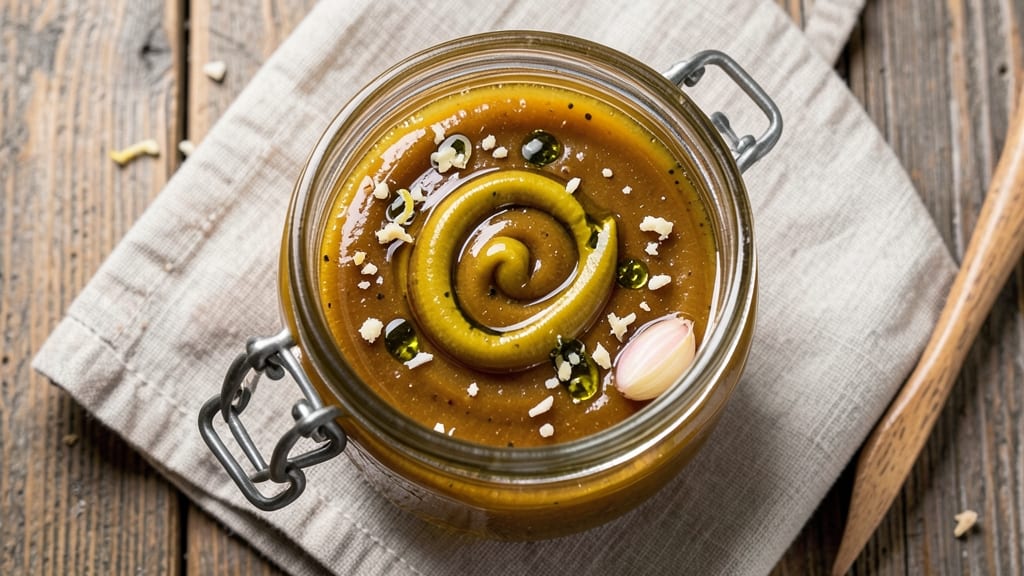
This Braggs ACV salad dressing recipe transforms simple pantry staples into a tangy-sweet dressing that elevates every salad from ordinary to extraordinary. The secret lies in balancing Bragg Liquid Aminos—a deeper, umami-rich alternative to soy sauce—with apple cider vinegar for a bright, complex flavor profile.
What makes this recipe stand out is its 5-ingredient simplicity, yet it delivers restaurant-quality depth without the fuss.
The foundation of this dressing is a 1:1 ratio of Braggs to ACV, which creates a savory-tangy base that cuts through rich ingredients like avocado or fried chicken.
A touch of Dijon mustard adds subtle heat and helps emulsify the dressing, while fresh garlic and a drizzle of olive oil round out the flavors. Unlike store-bought versions, this dressing stays fresh for up to 2 weeks in the fridge, making it a versatile pantry staple.
What you’ll end up with is a versatile dressing that works equally well on kale salads, grain bowls, or even as a marinade for grilled meats. The umami kick from Braggs enhances the natural sweetness of ACV, creating a balance that’s both addictive and customizable.
Whether you’re prepping meals for the week or dressing a last-minute salad, this recipe delivers bold flavor with minimal effort.
Ready in just 5 minutes, this dressing is perfect for meal prep or spontaneous dinners. The ingredients are budget-friendly, and the process is foolproof—no shaking required. Let’s make dressing that tastes like it came from a gourmet kitchen, not a bottle.
Ingredients for braggs acv salad dressing
Five ingredients, restaurant-quality flavor—this dressing transforms simple pantry staples into a bold, balanced masterpiece.
| Ingredient | Amount | Notes |
|---|---|---|
| Bragg Liquid Aminos 🥄 | ½ cup | Umami-rich alternative to soy sauce |
| Apple Cider Vinegar 🍏 | ½ cup | Raw, unfiltered preferred |
| Dijon Mustard 🌶️ | 1 tbsp | High-quality for emulsification |
| Fresh Garlic Cloves 🧄 | 2 whole | Minced for depth of flavor |
| Extra-Virgin Olive Oil 🫒 | ¼ cup | High-quality for richness |
The Bragg Liquid Aminos is non-negotiable here—its umami depth sets this dressing apart from store-bought versions. Grab the 12-ounce bottle from most grocery stores' international aisle, or order online for bulk. Apple cider vinegar should be raw and unfiltered (like Bragg Organic) for maximum tang. The Dijon mustard matters too—Maille or Amoy brands deliver that perfect balance of heat and creaminess. Fresh garlic cloves are essential; pre-minced loses its punch fast. For olive oil, California extra-virgin like Corto or Colavita adds fruity notes that elevate the dressing.
No Braggs? Coconut aminos (like Coconut Secret) works in a pinch, though the flavor won’t be identical. Running low on apple cider vinegar? White vinegar or balsamic can substitute, but reduce to 3 tablespoons—they’re stronger. Skip the Dijon? Whole-grain mustard adds texture but lacks emulsifying power. For garlic, garlic powder (½ teaspoon) is a poor substitute, but better than nothing. The olive oil can be swapped for avocado oil if you prefer a neutral base, though it’ll lack the fruity complexity.
This dressing keeps beautifully—up to 2 weeks in the fridge when stored in an airtight jar. The mustard helps it stay emulsified, so no shaking required. For meal prep, divide into small containers to avoid repeated opening. If it separates, just whisk before using. The flavor actually improves after 24 hours as the ingredients meld. Freeze for up to 3 months if you won’t use it within the two-week window—thaw in the fridge overnight.
Why You'll Love This Recipe
- Five-Ingredient Magic: I swear by this combo—no fancy techniques, just a jar and a whisk. The Bragg Liquid Aminos and apple cider vinegar cut through the richness of olive oil while the Dijon mustard adds that tangy bite without extra effort.
- Umami Bomb: That first splash of Bragg Liquid Aminos? It’s like a flavor upgrade I didn’t know I needed. The garlic and vinegar create this deep, savory punch that makes even simple greens taste like a restaurant salad.
- Pantry Staple Power: Honestly, I’ve used this on everything from grilled chicken to roasted veggies—even drizzled over avocado toast when I’m lazy. The dressing lasts a week in the fridge, so I’m never scrambling for something fresh.
- Budget Game-Changer: Between us, this costs a fraction of store-bought dressings, and it tastes better. A little goes a long way, so I stretch it across multiple meals without breaking the bank. Plus, no weird preservatives clogging up my fridge.
Step-by-step instructions for crafting a tangy-sweet salad dressing
This method delivers a perfectly balanced dressing with rich umami depth and vibrant acidity.
Mince the Garlic for Maximum Flavor
Peel the 2 whole fresh garlic cloves and place them on a cutting board. Using a sharp chef's knife, finely mince them into a paste-like consistency. The goal is to create a smooth texture that will blend seamlessly into the dressing rather than create distinct garlic pieces. I press down firmly with the heel of my knife while rocking it forward and backward—this technique ensures even mincing without crushing the garlic into a bitter paste.
Transfer the minced garlic to a small mixing bowl. Here's the thing—fresh garlic contains natural oils that can become bitter when overworked. We want just enough texture to release those aromatic compounds without turning the dressing harsh. Set this aside for now; we'll use it in the next step when we combine everything.
Whisk Together the Acidic and Umami Components
In a medium bowl, combine the 0.5 cup Bragg Liquid Aminos and 0.5 cup Apple Cider Vinegar. Using a whisk, stir these ingredients together for about 30 seconds until they're fully integrated. The Bragg Liquid Aminos will begin to slightly emulsify with the vinegar, creating a smooth base that's both tangy and deeply savory. I always use a whisk for this initial step because it helps break down the vinegar's surface tension more effectively than a spoon.
Add the 1 tablespoon Dijon Mustard to the mixture and whisk vigorously for another 30 seconds. The mustard acts as our emulsifier, helping to bind the oil later. You'll notice the mixture thicken slightly as the mustard incorporates. This is normal and essential for creating a dressing that clings to salad greens rather than pooling at the bottom of your bowl.
Gradually Incorporate the Olive Oil for Emulsion
With the whisk still in the bowl, slowly drizzle in the 0.25 cup Extra-Virgin Olive Oil while continuing to whisk steadily. The key here is to add the oil gradually—about 1 tablespoon at a time—allowing each addition to fully incorporate before adding more. This slow incorporation prevents the dressing from separating later. You'll know you're doing it right when the mixture begins to thicken and take on a creamy consistency.
Continue whisking for an additional 60 seconds after all the oil has been added. The dressing should now have a smooth, velvety texture with no visible oil separation. If you notice any streaks of oil, keep whisking for another 30 seconds. This emulsion is what makes the dressing cling beautifully to your salad ingredients, delivering flavor with every bite.
Taste and Adjust for Perfect Balance
Transfer a small spoonful of the dressing to a tasting spoon and sample it directly. At this stage, you should notice a complex flavor profile with bright acidity from the vinegar, deep umami from the Bragg Liquid Aminos, and a subtle garlic presence. The Dijon Mustard adds a touch of sophistication that rounds out the flavors. If the dressing tastes too sharp, add a pinch more Bragg Liquid Aminos. If it needs more tang, add a splash of additional Apple Cider Vinegar.
Real talk: The first taste might be slightly off-balance. That's why I always make a small batch first to test before committing to the full quantity. Once you've achieved that perfect harmony of sweet, tangy, and umami notes, your dressing is ready. Transfer it to a clean jar or airtight container and let it sit at room temperature for at least 15 minutes before using. This brief resting period allows the flavors to meld completely, resulting in a dressing that's even more cohesive and delicious.
Pro Tips For Making Braggs Acv Salad Dressing
- Mince Garlic Finer: You’d be surprised how much difference this makes—use a microplane or the flat side of your knife to crush those cloves into a paste before adding them. I learned this the hard way after tasting a dressing where the garlic was just chopped chunks; it’s all about that smooth, integrated flavor.
- Emulsify Slowly: Whisk the Bragg and vinegar into the mustard first, then very gradually drizzle in the olive oil while whisking like your life depends on it. Rushing this step guarantees a split dressing—trust me, I’ve made the mess.
- Use Raw Apple Cider Vinegar: That “aged” or “mellowed” vinegar in the store? Skip it. Raw, unfiltered apple cider vinegar adds depth and a subtle tang that store-bought versions can’t match. If you’re using the cheap stuff, you’re missing out on the real flavor.
- Balance the Salt: Bragg is salty, Dijon is salty, and if you’re using iodized salt elsewhere in your meal, your dressing might end up tasting flat. Taste as you go and adjust with a pinch of salt—yes, even if the recipe says it’s “salt-free.” Your taste buds will thank you.
Regional styles of braggs acv salad dressing
Asian-Inspired Adaptation
Swap the Dijon mustard for 1 teaspoon grated fresh ginger and 1 teaspoon sesame oil to create a Japanese-inspired variation. The ginger adds a zesty kick that pairs beautifully with Bragg's umami, while sesame oil introduces nutty depth.
For extra authenticity, finish with 1 teaspoon toasted sesame seeds and a splash of rice vinegar (replace half the ACV). This version works perfectly on cucumber salads or soba noodle bowls. 🌿
Southern BBQ Twist
Transform this dressing into a tangy BBQ glaze by reducing the recipe by half and adding 1 tablespoon smoked paprika and ½ teaspoon onion powder. Brush it on grilled chicken or pulled pork for a sticky, umami-rich finish.
The Bragg Liquid Aminos deepen the smoky flavor, while the ACV keeps it bright. Serve with pickled jalapeños for heat and coleslaw for crunch. 🔥
Mediterranean Herb Blend
Infuse the dressing with 1 tablespoon finely chopped fresh oregano, 1 tablespoon chopped fresh dill, and ½ teaspoon lemon zest for a bright, herbaceous twist. Replace the olive oil with avocado oil to keep it neutral, and add 1 teaspoon honey to balance the acidity.
This version shines on Greek salads, grilled halloumi, or roasted vegetable platters. The herbs elevate the dressing's complexity, making it feel like a restaurant-quality drizzle. 🌿
Spicy Sriracha Kick
For a bold, spicy variation, stir in 1 tablespoon Sriracha and ½ teaspoon grated lime zest after whisking. The Sriracha adds a fiery depth that complements the Bragg's savory notes, while the lime zest brightens the overall flavor.
This dressing is perfect for Asian-inspired bowls, grilled shrimp, or crispy tofu. Adjust the Sriracha to taste—start with ½ tablespoon if you prefer a milder heat. 🌶️
Herbed Goat Cheese Dressing
Blend 2 ounces softened goat cheese into the dressing after emulsifying for a creamy, tangy twist. Add 1 tablespoon chopped chives and ½ teaspoon black pepper for a sophisticated touch. This version works beautifully on spinach salads, warm grain bowls, or as a dip for crusty bread.
The goat cheese adds richness, while the herbs keep it fresh and vibrant. 🧀
Sweet & Smoky Maple Version
For a dessert-friendly twist, reduce the recipe by half and add 1 tablespoon pure maple syrup and ½ teaspoon smoked salt. This dressing glazes roasted squash, grilled peaches, or caramelized onions with a sweet-savory balance.
The maple syrup enhances the dressing's natural sweetness, while the smoked salt adds depth. Drizzle over warm apple slices for a unique dessert topping. 🍁
Nutrition facts
Frequently asked questions
Can I use this dressing on non-salad dishes?
This versatile dressing works beautifully as a marinade for grilled chicken or tofu, a dip for veggie sticks or chips, or even a glaze for roasted vegetables. The umami-rich Braggs and tangy ACV create depth that elevates any dish. Just reduce the oil slightly if using as a marinade to prevent excess moisture.
Why does my dressing separate after a few days?
Separation happens when oil and vinegar aren't properly emulsified. Always whisk the oil in gradually (1 tbsp at a time) and whisk for at least 60 seconds after adding it all. For extra insurance, add ½ teaspoon xanthan gum to the initial mixture—it acts as a natural thickener. If separation occurs, just whisk before using.
How can I make this dressing spicier?
Add ½ teaspoon cayenne pepper or 1 teaspoon hot sauce (like Sriracha) to the base mixture before whisking in the oil. For a smoky kick, swap the Dijon for 1 tablespoon smoked paprika. Start with less—you can always add more heat later. The Braggs already provide umami depth, so the spices will stand out.
Is this dressing gluten-free?
Yes, this recipe is naturally gluten-free! Bragg Liquid Aminos are certified gluten-free, and all other ingredients (ACV, mustard, garlic, olive oil) are gluten-free staples. Just double-check your mustard brand—some contain gluten. For extra safety, use a dedicated gluten-free Dijon mustard like Annie's.
Can I substitute Braggs with another soy sauce?
While regular soy sauce will work, it won't provide the same depth. Braggs has a more complex, umami-rich profile due to its fermentation process. For a closer substitute, use coconut aminos (1:1 ratio) or tamari (gluten-free soy sauce). Avoid low-sodium soy sauce—it lacks the bold flavor needed to balance the ACV's tang.