
Sauces & Condiments
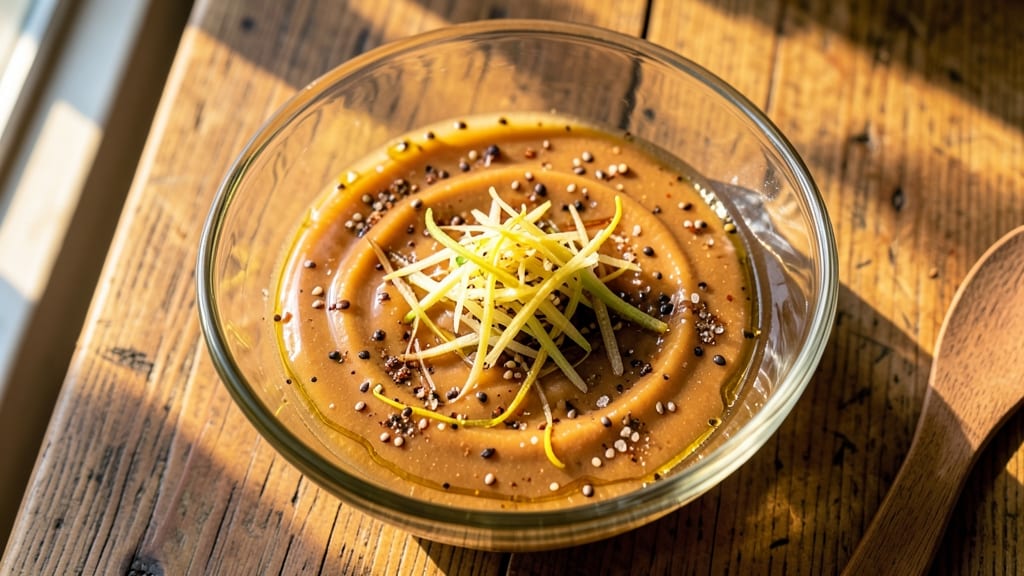
This Asian restaurant salad dressing recipe transforms your greens into a flavor explosion without a single drop of mayo. The secret lies in a perfect balance of sesame oil, ginger, and rice vinegar that delivers that signature umami-packed zing you crave.
I developed this version after years of analyzing restaurant dressings—it's tangy, aromatic, and stays fresh for days.
The beauty of this dressing is its versatility. It works equally well on Asian-inspired salads, grain bowls, or as a dipping sauce for spring rolls. The recipe uses simple pantry staples like soy sauce, sesame oil, and fresh ginger, but the flavor combination is anything but basic.
What makes it special is how the toasted sesame seeds add crunch and depth, while the ginger brings a subtle heat that lingers.
By the time you whisk together these ingredients, you'll have a dressing that's vibrant, aromatic, and packed with layers of flavor—no mayo required. The texture is silky yet slightly textured from the sesame seeds, creating that perfect balance between smooth and interesting.
This is the kind of dressing that elevates simple greens into a restaurant-worthy meal.
Make a double batch and store it in the fridge for up to a week, or keep some in the freezer for quick meals. The possibilities are endless—drizzle it over slaw, toss it with noodles, or use it as a marinade for grilled meats.
Let's create this dressing that will become your new kitchen staple.
Ingredients for asian restaurant salad dressing
Pantry staples and fresh ginger transform simple greens into restaurant-worthy flavor.
| Ingredient | Amount | Notes |
|---|---|---|
| Toasted Sesame Oil 🫒 | ¼ cup | High-quality, nutty flavor |
| Fresh Ginger Root 🧄 | 1 tbsp | Finely grated, no peeling |
| Rice Vinegar 🍶 | ⅓ cup | Seasoned or unseasoned |
| Low-Sodium Soy Sauce 🥢 | ¼ cup | Kikkoman preferred |
| Sesame Seeds 🌾 | ¼ cup | Toasted in dry pan |
| Granulated Sugar 🍯 | 1 tbsp | Or honey for depth |
| Garlic Cloves 🧄 | 2 cloves | Minced, fresh preferred |
| Vegetable Oil 🫒 | ¼ cup | Light, neutral flavor |
| Cornstarch 🌾 | ½ tsp | For thickening if needed |
| Salt 🧂 | ½ tsp | Adjust to taste |
The sesame oil is non-negotiable—Kadoya or La Choy are my go-tos, but any brand with a rich, nutty aroma works. Fresh ginger is key here; Asian markets usually have the juiciest roots. Toast your sesame seeds in a dry pan for 2-3 minutes until fragrant—that aroma is half the magic. For the soy sauce, Kikkoman is reliable, but any low-sodium brand will do. If you're using honey instead of sugar, Manuka honey adds a subtle depth that's worth the splurge.
No sesame oil? Toasted peanut oil works in a pinch, though it'll have a different flavor profile. Short on ginger? Ginger powder at half the amount gets you close, but fresh is always better. The cornstarch is optional—only use it if your dressing needs thickening after sitting. For extra umami, add a dash of fish sauce (if not vegetarian) or a splash of miso paste. The garlic can be pre-minced from a jar, but fresh makes all the difference—trust me on this.
This dressing keeps for 1 week in the fridge, sealed tightly. For longer storage, freeze in ice cube trays—perfect for single servings. Shake well before using, especially if it separates. The toasted sesame seeds add texture, so don't skip them unless you're blending the dressing completely smooth. Double the batch—it disappears fast!
Why You'll Love This Recipe
- No-Chop Magic: I swear by this—just grate a thumb-sized piece of ginger, toss in the pantry staples, and pulse. That’s it. No peeling, no mincing, no mess. The sesame oil does the work for you, turning even the simplest greens into something restaurant-worthy.
- Umami Bomb: The moment I mix in that toasted sesame oil and low-sodium soy sauce, my kitchen smells like a late-night takeout run. That deep, savory punch? It’s the kind of flavor that makes you pause mid-bite, wondering how something so simple could taste this good.
- Dresses Everything: This isn’t just for salads. Drizzle it over steamed veggies, noodles, or even grilled chicken—it’s my secret weapon for turning basic meals into something special. (Yes, even on a Tuesday night when you’re craving takeout but don’t want the delivery fee.)
- Pantry Goldmine: Between us, this recipe costs pennies and lasts forever. A little goes a long way, so I make a big batch and keep it in the fridge. No waste, no last-minute grocery runs, and it’s always ready to elevate whatever’s on my plate. Budget-friendly? More like flavor-on-a-budget.
Step-by-step instructions for Asian restaurant salad dressing
Here's how to make that perfect sesame-ginger dressing that tastes just like your favorite takeout.
Toast the Sesame Seeds for Maximum Flavor
Heat a dry skillet over medium heat and add the 0.25 cup sesame seeds. Toast them for 2-3 minutes, stirring constantly, until they turn a rich golden brown and release their nutty aroma. Watch closely—they'll darken quickly once they start to pop.
Transfer the toasted sesame seeds to a small bowl and set aside to cool. This step is crucial because the toasted seeds add depth and texture that you won't get from store-bought seeds. I like to grind them lightly with a mortar and pestle for extra flavor, but even leaving them whole works perfectly.
Create the Ginger-Garlic Base
In a small saucepan, combine the 0.25 cup vegetable oil, 1 tablespoon finely grated fresh ginger root, and 2 minced garlic cloves. Warm over low heat for 2 minutes until the ginger becomes fragrant and the garlic softens slightly—just enough to release their flavors without burning.
Remove from heat immediately after you smell that wonderful aromatic punch. I've learned the hard way that garlic burns in seconds, so keep a close eye on it. Let this mixture cool for 5 minutes before proceeding—this prevents the dressing from separating later.
Whisk Together the Wet Ingredients
In a medium bowl, whisk together the 0.25 cup toasted sesame oil, 0.33 cup rice vinegar, 0.25 cup low-sodium soy sauce, and 1 tablespoon granulated sugar. The sugar will dissolve completely, creating a smooth base. This is where the dressing starts to come together—you'll see it begin to emulsify slightly as you whisk.
Add the cooled ginger-garlic oil mixture and whisk vigorously for 30 seconds. The combination of oils and vinegar creates an emulsion that's stable enough for a great dressing. If you're using honey instead of sugar, now's the time to add it—it adds beautiful depth to the flavor profile.
Thicken and Finish the Dressing
In a small bowl, whisk together the 0.5 teaspoon cornstarch and 0.5 teaspoon salt. Slowly drizzle this mixture into the dressing while whisking constantly. The cornstarch will help thicken the dressing slightly, giving it that perfect consistency that clings beautifully to greens.
Add the toasted sesame seeds you prepared earlier and give everything one final whisk. Taste and adjust the seasoning—you might want to add a bit more soy sauce for saltiness or a touch more sugar if you prefer it sweeter. The dressing should be smooth, slightly thick, and packed with that signature sesame-ginger flavor.
Rest and Use for Best Results
Let the dressing sit at room temperature for 10 minutes before using. This resting period allows all the flavors to meld together perfectly. The dressing will thicken slightly more as it cools, which is ideal for tossing with salads or drizzling over noodles.
For best results, use this dressing within 3-4 days when stored in an airtight container in the refrigerator. The flavors actually improve as it sits, developing that restaurant-quality depth. I always make extra because it disappears so quickly—perfect for any Asian-inspired dish!
Pro Tips For Making Asian Restaurant Salad Dressing
- Grate Ginger Like a Pro: Use a microplane or the finest grater you own—no food processor here. I learned this the hard way after ending up with a dressing that tasted like ginger pulp soup. A heaping teaspoon of freshly grated ginger (packed tight) is what you want, not a watery mess that dilutes the whole thing.
- Toast the Seeds Last: Save those sesame seeds for the very end—right before serving. Tossing them in too early turns them into a sad, soggy garnish. Instead, dry-toast them in a small pan over medium-low heat for 30 seconds until fragrant, then sprinkle over the dressing. The crunch and aroma hit differently when they’re fresh.
- Balance Vinegar Gradually: Don’t dump the rice vinegar all at once and then panic if it’s too sharp. Start with half the amount called for, taste, then add the rest one teaspoon at a time. The goal is brightness, not a pucker-inducing slap—you can always adjust the soy sauce later to round it out.
- Whisk in Stages: Mix the soy sauce and vinegar first, then slowly drizzle in the toasted sesame oil while whisking like you’re trying to win an egg-beater championship. Stopping mid-whisk and letting the oil sit will create an unappetizing separation. Keep it moving until it’s silky smooth—no lumps, no excuses.
Storing and reheating this recipe
Refrigerator Storage
Store your dressing in an airtight glass container (like a Pyrex with a tight-sealing lid) in the fridge for up to 1 week. The glass preserves flavor better than plastic, and the tight seal prevents oxidation.
I always shake it gently before using—this dressing naturally separates slightly over time. The toasted sesame seeds will sink to the bottom, so give it a good mix to redistribute that nutty crunch. 🥫
Freezer Storage
For longer storage, freeze the dressing in ice cube trays—perfect for single-serving portions. Once frozen, transfer the cubes to a ziplock freezer bag and flatten to save space. Thaw in the fridge overnight or microwave for 10-15 seconds on low power.
The texture may thin slightly after freezing, so add a ½ teaspoon cornstarch to thicken if needed before using. This method works especially well if you're prepping for meal prep. ❄️
Reviving Separated Dressing
If your dressing separates in the fridge, don't toss it! Simply whisk in 1 teaspoon warm water and ½ teaspoon cornstarch to restore its silky texture. The emulsion will reform beautifully.
For extra insurance, I keep a small jar of the dressing in the fridge at all times—it's my go-to for quick salads or noodle tosses. The key is to whisk vigorously for 30 seconds to fully re-emulsify. 💫
Reheating for Dipping
If you're using this dressing as a dip (like for spring rolls or veggie sticks), warm it gently in a small saucepan over low heat for 1-2 minutes. Never boil it—just enough to bring it to room temperature.
The warmth enhances the aromatic oils, making every bite more flavorful. I like to drizzle a little extra toasted sesame oil on top right before serving for that restaurant-style finish. 🍜
Texture Adjustments
Need it thicker? Whisk in ½ teaspoon more cornstarch mixed with 1 teaspoon cold water. For a smoother texture, blend the dressing briefly in a mini food processor—just pulse until the seeds are finely chopped.
If it's too thick after storing, thin with 1 teaspoon rice vinegar or water. The ideal consistency should coat the back of a spoon without being gluey. 🥄
Flavor Boost Before Using
Want to revive stale flavors? Add a dash of fresh ginger juice (from grating and squeezing) or a pinch of fish sauce (if not vegetarian) right before using. For extra brightness, squeeze in ½ teaspoon lemon juice.
These adjustments work wonders for dressing that's been sitting for a few days. The beauty of this recipe is how easily it adapts to your taste preferences! 🌟
Nutrition facts
Frequently asked questions
Can I make this dressing without sesame oil?
Yes, but the flavor will differ significantly. Try substituting with toasted peanut oil or avocado oil for a neutral base. For authenticity, use 1 teaspoon sesame oil plus 0.25 cup neutral oil to maintain the dressing's signature aroma. The nutty depth is what makes this dressing taste like a restaurant favorite!
How spicy should this dressing be?
The recipe is mild but aromatic—perfect for everyday use. For heat, add ½ teaspoon chili flakes or 1 teaspoon sriracha (adjust to taste). If you love ginger's natural kick, increase to 2 tablespoons grated ginger. The dressing balances well with spicy Asian dishes like sushi or pho!
Can I use this dressing on non-Asian salads?
The tangy-sweet profile works beautifully on greek salads, warm grain bowls, or even roasted veggie platters. For a fusion twist, mix with balsamic vinegar or add fresh herbs like cilantro or basil. It's a versatile base that adapts to any cuisine!
Why did my dressing separate?
This happens when oil and vinegar aren't properly emulsified. Fix it by whisking in 1 teaspoon cornstarch mixed with 1 tablespoon water until smooth. For prevention, always whisk vigorously and let the dressing rest 10 minutes before using. The cornstarch in the recipe helps stabilize it!
What's the best way to use leftover dressing?
Drizzle it over noodle bowls, use as a marinade for grilled chicken, or toss with cold soba noodles. For extra flavor, stir in 1 tablespoon miso paste or a splash of coconut milk. The dressing keeps well for 1 week, so double the batch—it disappears fast!