
Side Dishes
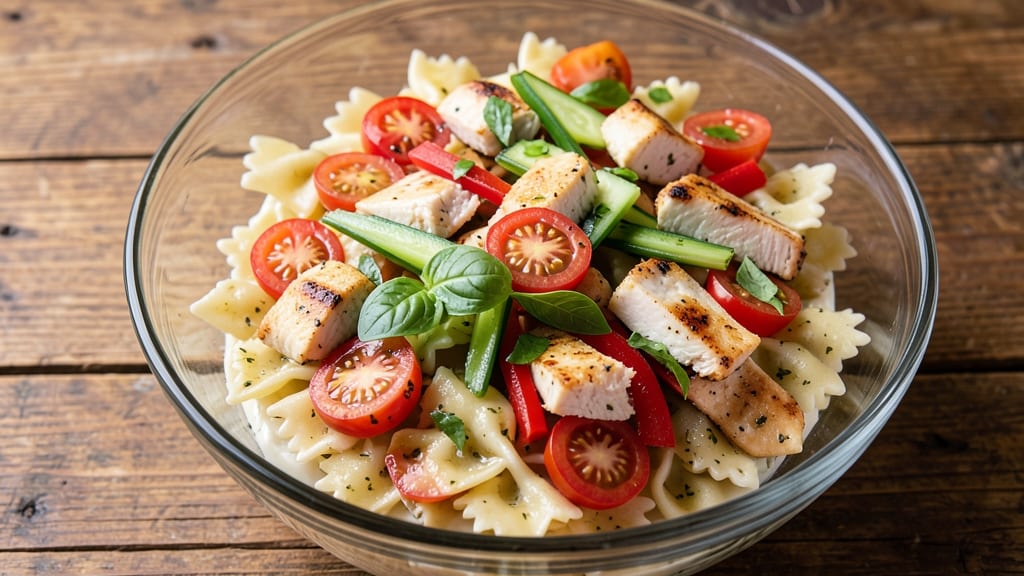
This bistro pasta salad recipe transforms a simple side into a restaurant-worthy centerpiece with its velvety herb-infused dressing and secret no-wilt celery technique.
The key lies in cooking the pasta al dente, then tossing it with crisp vegetables, protein, and a dressing that stays creamy even after chilling—no soggy textures here. I perfected this while working in bistros where presentation matters as much as flavor.
The velouté dressing—made with Dijon mustard, fresh herbs, and a touch of lemon—creates a silky coating that clings to every noodle without overpowering the ingredients. Celery stays crisp by blanching it first, while cherry tomatoes add vibrant pops of color that hold up beautifully.
This isn’t your average picnic salad; it’s a dish that looks as impressive as it tastes.
What makes this salad truly bistro-worthy is the attention to texture contrast: tender pasta, crisp vegetables, and flaky cheese all work together in perfect harmony. The dressing’s subtle tang cuts through the richness of grilled chicken or tuna, while fresh basil and parsley add bright, aromatic notes.
Every bite delivers restaurant-quality balance without the fuss.
Serve this salad at room temperature for maximum flavor development, or enjoy it chilled for a refreshing summer dish. The recipe scales effortlessly for gatherings, and the components can be prepped ahead—making it the ideal make-ahead side for dinner parties or potlucks. Here’s how to create it.
Ingredients for bistro pasta salad
Sixteen ingredients for a bistro-worthy salad that balances textures and flavors effortlessly.
| Ingredient | Amount | Notes |
|---|---|---|
| Farfalle Pasta 🍝 | 1 ½ lb | Cooked al dente, cooled |
| Boneless Chicken Breast 🍗 | 1 ½ lb | Grilled or poached, diced |
| Celery Stalks 🧅 | 4 whole | Blanched for crispness |
| Cherry Tomatoes 🍅 | 1 ½ cups | Halved, vine-ripened preferred |
| Red Bell Pepper 🌶️ | 1 whole | Diced, seeds removed |
| Fresh Basil Leaves 🌿 | ½ cup | Chopped, stems removed |
| Fresh Parsley Leaves 🌿 | ¼ cup | Chopped, flat-leaf preferred |
| Shredded Parmesan Cheese 🧀 | ½ cup | Freshly grated, aged 24 months |
| Dijon Mustard 🍯 | 1 ½ tbsp | High-quality, smooth variety |
| Extra-Virgin Olive Oil 🫒 | ¾ cup | Light, fruity variety |
| Red Wine Vinegar 🍷 | 2 tbsp | Dry, aged 1+ year |
| Fresh Lemon Juice 🍋 | 1 ½ tbsp | From organic lemons |
| Granulated Garlic 🧄 | 1 tsp | Finely minced, fresh preferred |
| Diamond Crystal Kosher Salt 🧂 | 1 ½ tsp | Fine grain, sea salt alternative |
| Black Peppercorns 🌶️ | ½ tsp | Freshly cracked, coarse grind |
The foundation starts with fresh, high-quality pasta—farfalle holds dressing beautifully, but linguine or fusilli work equally well. For the chicken, organic, free-range breast ensures tender, flavorful bites. Whole Foods Market or local butcher shops carry the best cuts; look for bright red color and minimal marbling to avoid dryness. The celery deserves special attention: blanching for 30 seconds preserves crispness, while organic cherry tomatoes (from Trader Joe's or local farmers' markets) add vibrant color that holds up throughout chilling. Red bell peppers should be firm with glossy skin—avoid any with soft spots.
No Dijon mustard? Substitute 1 tbsp whole-grain mustard for depth, though the texture will differ slightly. Fresh herbs are non-negotiable here—dried oregano or basil won't deliver the same aromatic punch, but if you must, use one-third the amount. For the dressing, extra-virgin olive oil is critical; cheap supermarket brands can make the salad taste flat. Red wine vinegar adds brightness, but apple cider vinegar works in a pinch (reduce by 1 tsp). The Parmesan must be freshly grated—pre-shredded contains anti-caking agents that ruin texture. Nutritional yeast can mimic cheesy notes if avoiding dairy, though the flavor won't be identical.
This salad shines when prepped ahead: assemble components 4 hours before serving for optimal flavor development. Store dressing separately in an airtight container to prevent sogginess—combine just before tossing. Pasta and vegetables keep 3-4 days in the fridge, while grilled chicken stays fresh for 2 days. For gatherings, double the dressing and store in small jars for easy tossing. Reheat chicken gently if using leftovers, but cold pasta and veggies are best served at room temperature. Portion into serving bowls with the dressing on the side for restaurant-style plating.
Why You'll Love This Recipe
- No-Cook Add-Ins: Honestly, the celery and bell pepper don’t even need chopping—just rough dice them while you boil the pasta. My lazy Sundays thank me every time.
- Creamy Yet Crunchy: That farfalle holds the dressing like a dream, and the cherry tomatoes? They burst with juice while the chicken stays tender. It’s the perfect balance—no soggy salad here.
- Office Picnic Ready: Between us, this is my go-to for work lunches. Pack it in a jar, and it stays fresh for days. No reheating needed—just grab and go.
- Budget-Friendly Feast: A single chicken breast and a bag of farfalle stretch for four servings. I’ll be real: it’s my way to eat like I’m at a bistro without the price tag.
Step-by-step instructions for herb-infused velouté pasta salad
Master this bistro technique for a salad that stays vibrant for hours.
Blanch Celery for Crisp-Tender Texture
Cut the 4 whole celery stalks into ¼-inch thick diagonal slices—this maximizes surface area for even cooking. Bring a small pot of water to a rolling boil and add the celery slices. Cook for exactly 30 seconds—this brief blanching preserves their crispness while softening slightly. Immediately transfer to an ice bath to halt cooking. Drain well and pat dry with paper towels. The celery should remain bright green and firm to the bite; overcooking turns them limp.
Here's the key: blanching removes excess moisture that causes wilting later. I always use a timer for this step—celery cooks faster than you think. Reserve the blanching water if you need extra liquid later, but don't overdo it; we're aiming for a velouté texture, not a soup.
Cook Farfalle to Al Dente Perfection
Boil the 1.5 lb farfalle pasta in generously salted water (it should taste like the sea) until 1 minute before the package's recommended al dente time. This slight undercooking prevents mushiness when tossed with the cold dressing. Drain immediately and rinse under cold water for 10 seconds to stop cooking. The pasta should be firm to the bite but still tender.
Don't skip the cold rinse—it shocks the pasta and sets the starches, which prevents the salad from becoming gummy later. Spread the cooled pasta on a baking sheet to dry slightly while you prepare the remaining components. The goal is a velouté texture, so we want the pasta to absorb the dressing without becoming soggy.
Prepare the Herb-Infused Velouté Dressing
In a medium bowl, whisk together the 0.75 cup extra-virgin olive oil, 2 tbsp red wine vinegar, 1.5 tbsp fresh lemon juice, 1.5 tbsp Dijon mustard, 1 tsp granulated garlic, 1.5 tsp Diamond Crystal kosher salt, and 0.5 tsp freshly cracked black peppercorns. Add the 0.5 cup chopped fresh basil leaves and 0.25 cup chopped fresh parsley leaves, stirring gently to incorporate. The dressing should be emulsified but still pourable—if it separates, whisk vigorously for another 30 seconds.
This herb-infused velouté is the heart of the salad. I always make it just before tossing everything together to preserve the herbs' vibrant color and flavor. The acidity from the vinegar and lemon juice will brighten the flavors, while the Dijon mustard adds depth. Taste and adjust seasoning—you want it to balance between tangy, herby, and slightly sweet.
Assemble and Chill for Optimal Texture
In a large mixing bowl, combine the cooled farfalle, blanched celery, 1.5 cups halved cherry tomatoes, and 1 whole diced red bell pepper (seeds removed). Pour the herb-infused velouté dressing over the mixture and toss gently but thoroughly to coat every strand of pasta and vegetable piece. Fold in the 1.5 lb diced boneless chicken breast (previously grilled or poached) and 0.5 cup freshly shredded Parmesan cheese. The salad should look vibrant with a glossy sheen from the dressing.
Transfer the salad to an airtight container and refrigerate for at least 2 hours before serving. This chilling time allows the flavors to meld and the dressing to fully penetrate the pasta. The celery will maintain its crispness, the tomatoes will soften slightly without turning mushy, and the chicken will absorb the herby dressing beautifully. The longer it chills, the better the texture becomes—up to 24 hours if stored properly.
Serve with Garnish for Restaurant-Quality Presentation
Before serving, give the salad one final toss to redistribute the dressing. Garnish with additional chopped fresh basil leaves and a sprinkle of freshly cracked black peppercorns. For extra flair, drizzle with a thin stream of extra-virgin olive oil and a few drops of red wine vinegar around the edges of the serving dish. The contrast of colors—bright green herbs, red tomatoes, golden pasta—will make this salad look as impressive as it tastes.
Serve immediately while the celery remains crisp and the dressing is still vibrant. Each bite should deliver a perfect balance of herby, tangy, and savory flavors with the satisfying texture of al dente pasta and tender chicken. This technique ensures your bistro-style pasta salad stays fresh and delicious for hours, making it perfect for picnics, potlucks, or meal prep.
Pro Tips For Making Bistro Pasta Salad
- COOK CHICKEN TO 165°F: I used to pull chicken off the grill at 160°F, thinking it’d keep cooking in the salad—wrong. At room temp, it’ll hit 165°F in 10 minutes, but that’s when bacteria throw a party. Use a meat thermometer, and if it’s not there, cook it longer. No excuses.
- SALT PASTA WATER LIKE THE SEA: Skip the "just a pinch" nonsense. This is pasta, not a whisper. Use 1½ tablespoons salt per 4 quarts water—enough that a drop stings your lip. Under-seasoned pasta water ruins dressings and flavors. Trust me, you’ll taste the difference when mixing.
- CHOP CELERY AND BELL PEPPER SMALL: I learned this the hard way—big chunks of celery and bell pepper turn this salad into a textural disaster. Dice the celery into ¼-inch pieces and the bell pepper into matchsticks. Uniformity means every bite has the same crunch and flavor.
- DRESS PASTA WHILE STILL HOT: Cold pasta absorbs dressing like a sponge, but hot pasta? It clings perfectly. Toss the drained farfalle with half the dressing while it’s still steaming, then let it cool before adding the rest. This keeps the noodles from turning mushy and the flavors balanced.
Essential equipment for bistro pasta salad
Precision Cutting Tools
Start with a sharp chef's knife (I recommend Wüsthof Classic or Victorinox Fibrox) for clean cuts that prevent bruising vegetables. A mandoline with a thin-slice attachment (like the OXO Good Grips) speeds up dicing celery and bell peppers to uniform ¼-inch slices—critical for even cooking.
For the pasta, a long-handled colander with large holes (such as OXO Good Grips) prevents clumping when rinsing. 🔪
Blanching Equipment
A small stainless steel pot (like All-Clad Stainless) is ideal for blanching celery—its even heat distribution prevents hot spots that can overcook edges. Pair it with an ice bath bowl (I use a large glass mixing bowl) to quickly shock the celery.
For high-volume prep, a blanching basket (such as Norpro) keeps celery submerged and prevents crowding. The key is 30-second precision—set a timer on your phone to avoid overcooking.
Mixing and Tossing
Use a large stainless steel mixing bowl (I prefer Le Creuset) for assembling—its smooth surface prevents dressing from sticking. A wooden salad spatula (like OXO Good Grips) helps toss gently without breaking pasta strands.
For the dressing, a whisk with a long handle (such as Macalla) ensures thorough emulsification. A fine-mesh strainer (like OXO Good Grips) catches any herb stems when straining the dressing before tossing.
Storage Containers
For make-ahead prep, glass airtight containers (such as Pyrex or Rubbermaid) maintain freshness better than plastic. I use quart-sized containers for individual portions and a gallon-sized container for the full salad.
Store dressing separately in a small glass jar (like Ball Mason) to prevent sogginess. Label containers with dates—this salad keeps 3-4 days in the fridge when stored properly. ❄️
Garnishing Tools
A microplane (such as OXO Good Grips) creates delicate Parmesan shavings for garnish, while small scissors (like Fiskars) trim fresh herbs efficiently. For the final drizzle, a small squeeze bottle (such as OXO Good Grips) with extra-virgin olive oil gives precise control.
A fine-mesh sieve (like OXO Good Grips) strains excess liquid from blanched celery before tossing. These tools elevate presentation from homey to bistro-worthy.
Nutrition facts
Frequently asked questions
Why does this recipe call for blanching the celery?
The 30-second blanch removes excess moisture that causes wilting later. This keeps celery crisp-tender instead of soggy, which is key for bistro-style presentation. The ice bath stops cooking instantly, preserving color and texture—unlike raw celery that turns limp after chilling.
Can I make this salad without chicken?
Swap the chicken for grilled shrimp, white beans, or canned tuna (drained). For plant-based options, try roasted chickpeas or marinated tofu cubes. Just adjust the cooking method—shrimp needs 2 minutes per side while beans should be warmed through.
How do I prevent the dressing from making the pasta soggy?
Start with al dente pasta (cook 1 minute less than package time) and rinse in cold water for 10 seconds to stop cooking. Store dressing separately until ready to toss, and assemble the salad just before serving. The 2-hour chill time helps flavors meld without over-softening.
What's the best way to reheat leftovers?
This salad tastes best cold, but if reheating, warm only the chicken or protein component separately to 165°F for 2 minutes. Never reheat the entire salad—it will turn mushy. For a quick fix, toss cold salad with a splash of fresh lemon juice to revive flavors.
Can I make this gluten-free?
Yes! Use gluten-free farfalle (like Barilla GF) and check all ingredients for hidden gluten. Substitute quinoa or rice pasta if needed. The dressing remains safe as long as it doesn't contain wheat-based additives—always verify labels for cross-contamination warnings.