
Sauces & Condiments
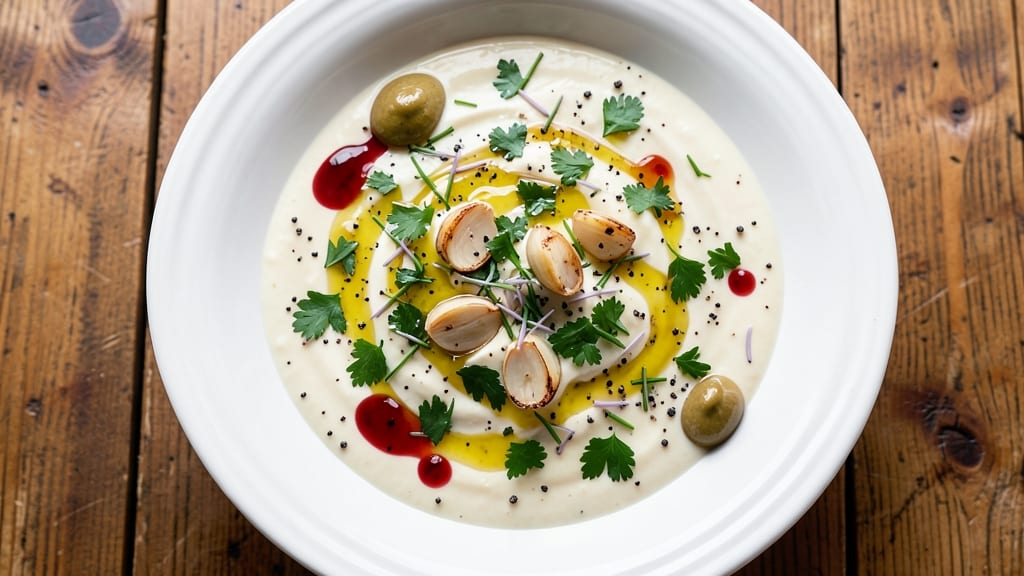
This basic pasta salad dressing recipe transforms ordinary pasta salads into vibrant, flavorful dishes without relying on mayo. The secret lies in a balanced ratio of oil to vinegar, fresh herbs, and a pinch of mustard for emulsification—creating a dressing that clings to every noodle and vegetable.
I developed this recipe after realizing most store-bought versions lack the bright, herby depth of homemade, and it’s become my go-to for summer potlucks and quick lunches.
The foundation of this dressing is simple: 3 parts oil to 1 part vinegar, with fresh herbs like parsley and chives adding brightness. A splash of Dijon mustard ensures the dressing stays emulsified, while garlic and a touch of honey balance acidity with depth.
Unlike creamy dressings, this version stays light yet rich, allowing the pasta and veggies to shine. It’s foolproof, requiring just 5 minutes of prep and no special equipment—just a whisk or jar for shaking.
What makes this dressing truly versatile is its adaptability. Use it as-is for a classic Italian-inspired salad, or customize it with lemon zest for a Mediterranean twist or red pepper flakes for a kick.
The dressing keeps well in the fridge for up to 5 days, making it perfect for meal prep. Whether you’re serving it over chilled pasta, tossing it with grilled vegetables, or drizzling it on a grain bowl, the result is always bold, fresh, and restaurant-quality.
For best results, let the dressing sit for 10 minutes before using—this allows the flavors to meld and the herbs to release their full aroma. If the dressing separates, simply whisk or shake it again.
This recipe is the backbone of countless salads, and once you try it, you’ll never go back to store-bought. Let’s make it!
Ingredients for basic pasta salad dressing
Eight simple ingredients transform any pasta salad into vibrant, restaurant-quality flavor.
| Ingredient | Amount | Notes |
|---|---|---|
| Extra-Virgin Olive Oil 🫒 | ¾ cup | High-quality, fruity variety |
| Red Wine Vinegar 🍷 | ¼ cup | Bold and dry preferred |
| Fresh Flat-Leaf Parsley 🌿 | ⅓ cup | Stems removed, finely chopped |
| Fresh Chives 🌱 | ¼ cup | Finely chopped, mild flavor |
| Dijon Mustard 🍯 | 1 tbsp | For emulsification and depth |
| Garlic Cloves 🧄 | 3 cloves | Minced for subtle garlic flavor |
| Honey 🍯 | 1 tbsp | Balances acidity, mild variety |
| Kosher Salt 🧂 | ½ tsp | Adjust to taste after mixing |
| Freshly Ground Black Pepper 🌶️ | ¼ tsp | Freshly cracked for best flavor |
The olive oil is where flavor starts. Trader Joe's or Whole Foods carry excellent extra-virgin options—look for bottles labeled 'fruity' or 'peppery'. Red wine vinegar should be bold, not sweet; Bragg or Annie's are reliable brands. Fresh herbs make all the difference here. Grow your own parsley if you can, or grab bunches from the grocery store's produce section—they're cheaper than pre-chopped and last longer. For garlic, peel and mince fresh—jarred minced garlic has a metallic aftertaste that kills the dressing's brightness.
No red wine vinegar? Apple cider vinegar or balsamic work in a pinch, though they'll change the flavor profile slightly. Short on fresh herbs? Dried parsley at one-third the amount gets you close, but the texture won't be as pretty. The honey can be swapped for maple syrup if you prefer a different sweetness level. For extra brightness, add 1 tsp lemon zest—it disappears into the dressing but makes a huge difference. If you're making this ahead, prep the herbs and garlic first—they keep in the fridge for up to 3 days before wilting.
This dressing keeps beautifully in an airtight jar for 5 days in the fridge. Give it a good shake before each use—it might separate slightly, but whisking brings it right back. For meal prep, make a double batch and store in two separate containers. The flavors actually improve after sitting for 10 minutes—that's when the herbs release their full aroma. If you're using it for a potluck, bring it in a mason jar so guests can shake it right before serving.
Why You'll Love This Recipe
- Five-Ingredient Magic: I swear by this combo—just olive oil, vinegar, mustard, and two herbs. No fancy gadgets, no stress. Honestly, I’ve made it while waiting for dinner to cook.
- Bright & Tangy: That red wine vinegar cuts through everything like a summer breeze, while the Dijon mustard adds just enough depth to make it ridiculously good. The parsley and chives? Freshness in every bite.
- Potluck Hero: Bring this to a picnic, BBQ, or family gathering—it’s the one dish everyone asks for seconds of. Works with any pasta, veggies, or proteins. (Yes, even on a Tuesday night.)
- Lasts All Week: Make a big batch, store it in the fridge, and toss it with leftover pasta for days. Between us, this is my secret weapon for lazy lunches and zero-waste meals.
Step-by-step instructions for herb-infused vinaigrette
This bright, herb-packed dressing comes together in minutes with no mayo—just bold flavors and perfect balance.
Finely Chop the Fresh Herbs
Start by removing any tough stems from the 0.33 cup fresh flat-leaf parsley and 0.25 cup fresh chives. I like to chop the parsley first into small, even pieces—about ¼-inch in size—using a sharp chef's knife. Then move to the chives, which should be cut into tiny, almost confetti-like bits for even distribution throughout the dressing.
Here's the thing—fresh herbs make all the difference. If your herbs are particularly fibrous, give them an extra minute of chopping. You want the texture to be uniform so every bite of pasta salad gets that same herby punch. Taste a pinch of the chopped herbs to check their freshness; they should smell vibrant and bright, not wilted.
Mince the Garlic and Mix Wet Ingredients
Peel the 3 cloves garlic and mince them finely—you want tiny, almost paste-like pieces. Too much garlic can overpower, so aim for just a whisper of flavor here. In a medium bowl, whisk together the 0.25 cup red wine vinegar, 1 tbsp Dijon mustard, and 1 tbsp honey. The vinegar should be bold and dry, not sweet, to cut through the richness of the olive oil.
Add the minced garlic and whisk again until fully combined. The Dijon mustard acts as an emulsifier, helping to bind the oil and vinegar later. If you're using a particularly strong vinegar, you might want to taste the mixture now and adjust the honey slightly—just a pinch more if it needs balancing. This is your flavor foundation, so don't rush it.
Gradually Whisk in the Olive Oil
Slowly drizzle in the 0.75 cup extra-virgin olive oil while whisking continuously. Start with just a few tablespoons at a time, letting each addition fully incorporate before adding more. This gradual approach prevents the dressing from separating. You'll notice the mixture will look cloudy at first, but keep whisking—it will eventually emulsify into a smooth, creamy vinaigrette.
I like to whisk for about 2-3 minutes total, until the dressing looks silky and coats the back of a spoon. If it starts to look too thick, add 1-2 teaspoons of water to loosen it. The texture should be pourable but still cling well to pasta. Don't worry if it's not perfectly smooth—some texture is normal with fresh herbs.
Season and Fold in the Herbs
Add the 0.5 tsp kosher salt and 0.25 tsp freshly ground black pepper, then give everything one final whisk to combine. Now fold in the chopped herbs using a rubber spatula. Gently stir just until the herbs are evenly distributed—overmixing can bruise the leaves and make the dressing bitter. Taste and adjust the seasoning if needed; you might want a touch more salt or a splash of vinegar for brightness.
Let the dressing sit for 5 minutes before using. This resting time allows all the flavors to meld together. Give it a final taste—it should be tangy, herby, and perfectly balanced, with no single ingredient overpowering. If it needs a little more acidity, add another teaspoon of vinegar. If it's too sharp, a tiny drizzle of honey will smooth it out.
Use Immediately or Store Properly
This dressing is best used fresh, but if you need to store it, transfer it to an airtight container and refrigerate for up to 5 days. Before using, give it a good shake or whisk to re-emulsify. The flavors actually improve slightly after resting overnight, as the herbs soften and release more of their aroma.
When ready to use, drizzle over your pasta salad just before serving. The dressing will cling beautifully to the pasta and vegetables, creating a vibrant, herby coating. If the salad seems dry after tossing, add a splash of the dressing or a little pasta water to loosen everything up. This vinaigrette keeps well in the fridge, so make extra for future meals—it's perfect for quick lunches or potluck dishes.
Pro Tips For Making Basic Pasta Salad Dressing
- Whisk in stages: Start by mixing the Dijon mustard and red wine vinegar first—this emulsifies the mustard so it doesn’t clump when you add the olive oil. Then slowly drizzle in the oil while whisking constantly; if you dump it all in at once, you’ll end up with a greasy, separated mess.
- Use a mortar for herbs: Chop the parsley and chives fine, then crush them lightly in a mortar with a pinch of salt before adding to the dressing. This releases their oils and makes the flavor hit harder—no blender needed, and the texture stays fresh, not mushy.
- Measure vinegar by taste: The recipe might call for a specific ratio, but red wine vinegar varies in strength. Start with half the suggested amount, taste, then adjust—you can always add more, but you can’t take it out. (I learned this after making a salad that tasted like a science experiment.)
- Add a splash of water: If the dressing feels too thick after whisking, thin it with a teaspoon of cold water. The mustard and vinegar will still bind, and the texture becomes silky rather than cloying. Works better than milk or broth—trust me, I’ve tried.
Troubleshooting perfect results
Dressing Separates
If your dressing looks like oil and vinegar split, don't panic—this happens when oil and acid aren't properly emulsified. The fix is simple: whisk vigorously for 1-2 minutes until it recombines. For future batches, add ½ tsp more Dijon mustard as an emulsifier.
If it keeps separating, your oil-to-vinegar ratio might be off—try ¼ cup vinegar to ¾ cup oil next time. 💫
Too Thick or Gluey
Thick dressings happen when herbs absorb too much liquid or when oil is added too quickly. Thin with 1-2 teaspoons of water or pasta water while whisking.
For prevention, chop herbs finely and whisk oil in slowly. If it's still too thick after thinning, let it sit for 5 minutes—sometimes it loosens naturally.
Flavor Too Mild
Mild dressings usually need more acid or salt. Boost brightness with ½ tsp extra red wine vinegar or ¼ tsp lemon juice. For depth, add ¼ tsp more Dijon mustard or a pinch of garlic powder. Always taste as you go—adjust gradually to avoid overpowering the pasta.
Herbs Sink or Clump
Herbs sink when chopped too coarsely or added too late. For even distribution, pulse them in a food processor for 5 seconds before folding in. If they clump, gently stir with a fork instead of whisking.
For extra freshness, add 1 tsp chopped basil or dill—they stay suspended better than parsley.
Too Sweet or Sharp
Adjust sweetness by adding ½ tsp more honey or maple syrup if it's too sharp. For acidity, increase vinegar by ½ tsp. Balance is key—taste after each adjustment. Pro tip: A pinch of smoked paprika can add complexity without altering sweetness or acidity. ✨
Storage Issues
If dressing smells off after refrigerating, it's time to toss it—properly stored dressings should last 5 days. For longer storage, freeze in ice cube trays and thaw as needed. Always store in airtight containers with ¼ inch headspace to prevent oxidation. If mold appears, discard immediately.
Nutrition facts
Frequently asked questions about pasta salad dressings
Can I use this dressing on other salads besides pasta?
This herb-infused vinaigrette works beautifully on grain bowls, veggie platters, or even grilled chicken salads. The balanced ratio of oil to vinegar and fresh herbs makes it versatile for any dish needing a bright, tangy dressing. Just adjust the seasoning slightly if using with proteins like shrimp or chicken.
What if I don't have Dijon mustard?
You can substitute with 1 tsp regular yellow mustard or ½ tsp mayonnaise as an emulsifier, though Dijon provides better flavor depth. For a mustard-free version, whisk the oil and vinegar more vigorously or add 1 tsp honey or maple syrup to help bind the mixture. The texture may be slightly less stable but still delicious.
How do I make this dressing spicier?
Add ¼ tsp red pepper flakes or 1 tsp hot sauce to the dressing while whisking. For a smoky kick, include ½ tsp smoked paprika with the salt. Always taste first—spices intensify as the dressing sits. If using fresh peppers like jalapeño, finely dice and strain the seeds before adding.
Can I make this dressing without fresh herbs?
Yes! Use 1 tbsp dried parsley and 1 tsp dried dill (or oregano) instead of fresh. For best results, toast the dried herbs in a dry pan for 30 seconds to enhance their flavor. The dressing will be less vibrant but still flavorful. Add ½ tsp lemon zest to compensate for the missing freshness.
Why does my dressing taste bitter after sitting?
Bitterness often comes from overchopping herbs or using old garlic. For future batches, chop herbs just before adding and store the dressing in an airtight container with ¼ inch headspace to prevent oxidation. If bitterness occurs, balance it with ½ tsp more honey or a splash of vinegar. Always use fresh ingredients for the best flavor.