Salads
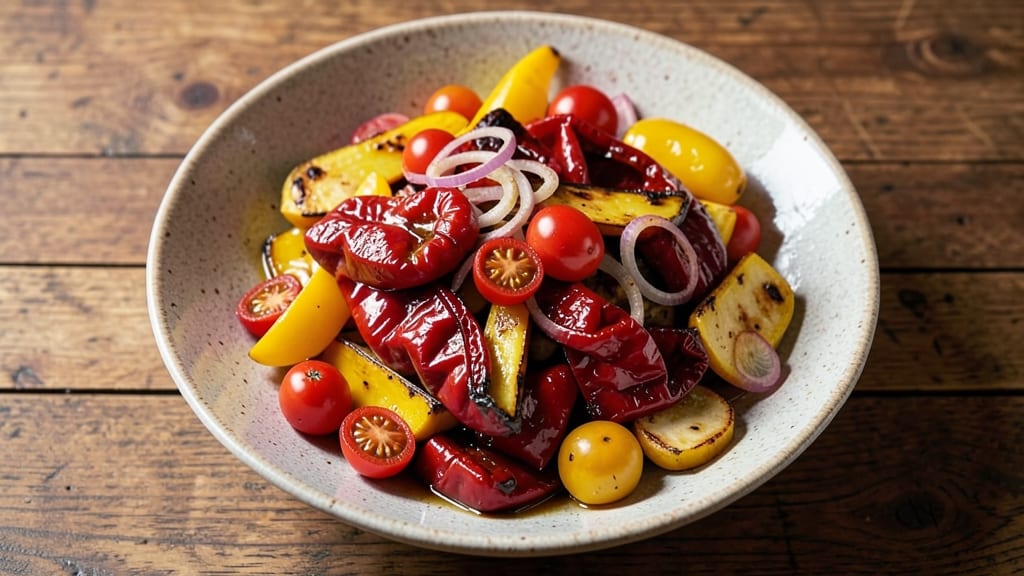
This roasted vegetable salad recipe delivers the perfect balance of warm, caramelized edges and cool, creamy dressing—transforming simple seasonal produce into a restaurant-worthy dish. The secret lies in high-heat roasting that develops deep, smoky flavors while keeping textures crisp-tender, paired with a tangy herbed dressing that ties everything together. I’ve tested countless variations, and this method consistently delivers the most satisfying contrast between hot and cold components.
What sets this salad apart is the technique: vegetables are roasted in batches at 425°F until blistered and caramelized, then tossed with fresh greens and a dressing made with Greek yogurt for creaminess without heaviness.
The flavor profile leans Mediterranean-inspired, with garlic, lemon, and fresh herbs that brighten the earthy roasted vegetables. It’s a dish that works as a light main for vegetarians or as a vibrant side for grilled proteins.
The result is a salad that’s visually stunning—deep golden roasted vegetables against a bed of fresh greens—with every bite offering that perfect temperature play. The dressing clings to the vegetables, enhancing their natural sweetness while adding a refreshing tang.
This isn’t just another salad; it’s a foolproof way to elevate seasonal produce into a meal that feels indulgent yet balanced.
Best of all, this recipe adapts effortlessly to what’s fresh at the market. Swap in seasonal vegetables like zucchini, bell peppers, or eggplant, and adjust the herbs to suit your taste. Ready in under 40 minutes, it’s the ideal weeknight dinner that still feels special. Let’s get started!
Ingredients for best roast vegetable salad
This vibrant mix of seasonal vegetables transforms simple produce into a restaurant-quality salad with crispy edges and creamy dressing.
| Ingredient | Amount | Notes |
|---|---|---|
| Red Bell Pepper 🍅 | 1 whole | Cut into bite-sized pieces |
| Yellow Bell Pepper 🍅 | 1 whole | Cut into bite-sized pieces |
| Zucchini 🥒 | 2 medium | Sliced lengthwise into half-moons |
| Cherry Tomatoes 🍅 | 1 pint | Halved for even roasting |
| Yellow Squash 🍠 | 2 medium | Sliced into half-moons |
| Red Onion 🧅 | 1 whole | Cut into wedges |
| Extra-Virgin Olive Oil 🫒 | ½ cup | For roasting vegetables |
| Kosher Salt 🧂 | 1 ½ tsp | Diamond Crystal preferred |
| Fresh Thyme Leaves 🌿 | ¼ cup | Chopped finely |
| Garlic Cloves 🧄 | 4 cloves | Minced for dressing |
| Plain Greek Yogurt 🥛 | ¾ cup | Full-fat for creaminess |
| Fresh Lemon Juice 🍋 | 2 tbsp | Freshly squeezed |
| Fresh Dill 🌿 | 0.2 cup | Chopped for dressing |
| Baby Spinach 🥬 | 4 cups | Fresh for base |
| Crumbled Feta Cheese 🧀 | ½ cup | Optional topping |
The vegetables are the stars here—look for bright, firm produce at your local farmers' market or grocery store's produce section. Whole Foods or Trader Joe's often have the freshest selection. For the peppers, pick ones that are firm and vibrant in color—they'll roast beautifully. The zucchini and squash should feel heavy for their size, indicating freshness. If you can't find yellow squash, substitute extra zucchini—it works just as well. The key is to use vegetables that are in season for the best flavor. For the dressing, full-fat Greek yogurt gives the best creaminess without making the salad too heavy.
No red bell pepper? Yellow or orange bell peppers work perfectly—they just change the color palette. Short on cherry tomatoes? Grape tomatoes or regular tomatoes cut into quarters will do. For the dressing, if you don't have fresh dill, dried dill at half the amount works in a pinch. The lemon juice is essential for brightness, but if you're out, lime juice works too. For the feta, vegan feta or extra crumbled Parmesan can be used if you're avoiding dairy. The salad dressing can be made a day ahead—it actually tastes better after the flavors meld together for a bit.
Roasted vegetables keep well in the fridge for 4-5 days if stored in an airtight container. The dressing, once mixed, will stay fresh for 5-6 days in the fridge. For the best texture, toss the roasted vegetables with the dressing right before serving—this keeps them crispy. If you're prepping ahead, store the roasted vegetables and dressing separately and combine them just before eating. The salad tastes even better the next day as the flavors continue to develop. Portion it into containers for easy grab-and-go lunches during the week.
Why You'll Love This Recipe
- One-Pan Magic: I swear by this method—just toss everything on a sheet pan, roast until caramelized, and boom. No chopping boards, no mess, no stress. The peppers and squash practically melt into each other, and the cherry tomatoes burst like little flavor bombs.
- Sweet-Savory Balance: That char from the roasted bell peppers? Chef’s kiss. It’s sweet, smoky, and just a little crispy—especially when you get those golden edges on the zucchini. Honestly, I’ll eat this salad plain if I have to, but the lemon-tahini dressing ties it all together like a hug.
- Lunchbox Hero: Between us, this is my go-to for packed lunches. The veggies hold up for days, and the flavors only get better as they sit. Throw in some feta or chickpeas if you’re feeling fancy, but even on its own, it’s the kind of meal that makes you feel like you’re eating well without trying.
- Budget Brightener: Bell peppers and squash are always on sale, and this recipe uses them up before they go bad. I’ll be real: it’s not the prettiest, but the taste makes up for it—and my wallet thanks me every time. Plus, leftovers? They’re just as good cold the next day.
Step-by-step instructions for roasted vegetable salad with creamy dressing
Let's create the perfect balance of warm, caramelized vegetables and cool, tangy dressing.
Prep and Roast the Vegetables
Preheat your oven to 425°F and line two large baking sheets with parchment paper. This high temperature creates those beautiful crispy edges we're after. Arrange the red bell pepper, yellow bell pepper, zucchini, cherry tomatoes, yellow squash, and red onion in even layers on the sheets, leaving space between pieces for proper air circulation.
Drizzle the vegetables with 0.5 cup extra-virgin olive oil and sprinkle with 1.5 tsp kosher salt. Toss gently to coat, but don't overmix or the vegetables will steam instead of roast. Roast for 20-25 minutes until the edges are deep golden brown and slightly charred, while the centers remain tender. You'll know they're perfect when they smell sweetly caramelized and the skin has that beautiful crisp texture.
Here's the thing—don't cut the vegetables until after roasting. The high heat helps tenderize them, and the whole pieces hold their shape better. Plus, the charred edges add incredible depth of flavor that pre-cut pieces would miss.
Create the Creamy Yogurt Dressing
While the vegetables roast, let's make the dressing. In a small bowl, combine 0.75 cup plain Greek yogurt, 2 tbsp fresh lemon juice, 0.2 cup fresh dill, 0.25 cup fresh thyme leaves, and 4 minced garlic cloves. The yogurt should be full-fat for that rich, creamy texture that balances the roasted vegetables perfectly.
Whisk everything together until smooth and well combined. The dressing should be thick but pourable—if it's too thick, add 1-2 teaspoons of water to reach your desired consistency. Taste and adjust seasoning with additional salt if needed. This is where the magic happens—the cool, tangy dressing cuts through the richness of the roasted vegetables while adding fresh herbal notes.
I like to let the dressing sit for 5 minutes before using it. This allows the flavors to meld together, creating a more cohesive taste experience. The lemon juice will brighten the dressing, while the garlic and herbs add layers of complexity.
Assemble the Salad
Once the vegetables are perfectly roasted, remove them from the oven and let them cool for 5 minutes. This brief rest prevents the spinach from wilting when you add the hot vegetables. While they cool, spread the 4 cups baby spinach evenly on a large serving platter or individual plates.
Arrange the roasted vegetables over the spinach, distributing them evenly. The warm vegetables will immediately begin to release their aromatic oils, creating an incredible sensory experience. Sprinkle the 0.5 cup crumbled feta cheese over the top for a final touch of saltiness and creaminess. The feta adds a nice contrast in texture and temperature, making each bite even more satisfying.
Drizzle the dressing generously over the salad, allowing it to pool slightly in the bottom of the platter. This ensures every bite gets that perfect combination of warm, crispy vegetables and cool, creamy dressing. The contrast in temperatures and textures is what makes this salad truly special.
Serve Immediately for Best Results
Serve the salad immediately while the vegetables are still warm and the dressing is at its peak freshness. The contrast between the warm, caramelized vegetables and the cool, creamy dressing creates a sensory experience that's simply irresistible. Each bite delivers a perfect balance of textures and flavors.
If you're serving this at a gathering, I recommend assembling the salad just before serving. The warm vegetables will continue to release their flavors, and the dressing will maintain its perfect consistency. The spinach will hold up well for 15-20 minutes after assembly, but for the absolute best experience, serve it immediately.
This salad is incredibly versatile—it works as a light main course, a hearty side dish, or even a satisfying lunch. The combination of roasted vegetables and creamy dressing makes it a crowd-pleaser that's sure to become a regular in your meal rotation.
Pro Tips For Making Best Roast Vegetable Salad
- CUT PEPPERS LENGTHWISE: Thick slices (about ½-inch) roast faster and more evenly than thin strips—no more charred edges or undercooked centers. I used to slice them any way, but this method guarantees consistent doneness across all peppers.
- SALT ZUCCHINI BEFORE ROASTING: Toss sliced zucchini with salt (about ½ teaspoon per pound) and let sit 10 minutes before roasting. This draws out moisture so they crisp up instead of turning soggy—trust me, it’s the difference between sad and spectacular.
- DON’T OVERCROWD THE PAN: Spread vegetables in a single layer with space between them, even if it means two batches. I learned this after a batch of cherry tomatoes exploded into a sticky mess—now I use two pans if needed for even browning.
- USE HIGH HEAT FIRST: Start roasting at 450°F (230°C) for 10 minutes to blister the skins, then drop to 400°F (200°C) to finish. The initial high heat caramelizes the edges faster, and the lower temp prevents burning while the salad cooks through.
Make-ahead tips for this recipe
Roast Ahead Strategy
Roast all your vegetables one day ahead and store them in an airtight container at room temperature. The flavors deepen overnight as the vegetables continue to caramelize slightly. When ready to serve, simply reheat them in a 350°F oven for 10-15 minutes to restore their crispy edges.
This is my go-to method for busy weeknights—it saves 20 minutes of active prep time. 💫
Dressing Prep
Make the dressing 24 hours in advance and store it in a sealed jar in the refrigerator. The flavors meld beautifully overnight, creating a more complex taste profile. When you’re ready to assemble, simply whisk it again to redistribute the herbs and lemon juice.
This is especially helpful if you're prepping for a dinner party or meal prep. The dressing stays fresh for 5-6 days this way. ✨
Spinach Storage
Wash and dry the baby spinach thoroughly, then store it in a sealed plastic bag with a paper towel to absorb excess moisture. Keep it in the fridge for up to 3 days—this prevents wilting when you assemble the salad later.
I like to portion the spinach into individual containers so I can grab just what I need for each serving. 🥬
Assemble Just Before Serving
For the best texture contrast, assemble the salad right before eating. Warm the roasted vegetables briefly if needed, then toss them with the spinach and dressing. The heat from the vegetables will slightly wilt the spinach, creating a more cohesive bite.
If you're prepping for lunch, I recommend keeping the roasted vegetables and dressing separate until you're ready to eat. 🔥
Portion for Meal Prep
Divide the roasted vegetables and dressing into 4 meal-prep containers with separate compartments. Store the spinach in a separate container and add it fresh when you're ready to eat.
This keeps the spinach crisp and prevents sogginess. I often double the recipe for easy lunches all week—it's a game-changer for busy schedules. 💡
Freezer-Friendly Option
If you want to prep even further ahead, roast the vegetables and store them in a freezer-safe bag for up to 3 months. When ready to use, thaw them in the fridge overnight, then reheat in a 400°F oven for 15 minutes.
The texture won't be as crispy as fresh, but it's still delicious. This is perfect for using up seasonal produce before it goes bad. ❄️
Nutrition facts
Frequently asked questions
Can I use frozen vegetables for this roasted vegetable salad?
Fresh vegetables work best for that perfect caramelized texture, but you can use frozen in a pinch. Thaw them completely first, then pat very dry before roasting. Frozen veggies release more moisture, so roast them at 400°F for 15-20 minutes instead of 425°F to prevent steaming. Expect slightly softer edges, but they'll still add great flavor to your salad.
What's the best way to store leftovers?
Store the roasted vegetables and dressing separately in airtight containers. Keep the vegetables at room temperature for up to 4 days (they'll keep their crispness), or refrigerate for 5 days. The dressing stays fresh for 5-6 days in the fridge. When ready to eat, simply toss everything together—just reheat the vegetables for 5 minutes at 350°F to restore crispness.
How can I make this salad vegan?
Swap the Greek yogurt for coconut yogurt or a dairy-free yogurt alternative, and replace feta with vegan feta or marinated tofu. Use olive oil instead of honey in the dressing if needed. All other ingredients are naturally vegan—just check your yogurt and cheese substitutes for plant-based certifications.
What if my vegetables burn before they're tender?
This happens when vegetables are overcrowded on the baking sheet. The key is to spread them in a single layer with space between pieces. If you're short on baking sheets, roast in batches—even 15 minutes between batches helps. Smaller vegetables like cherry tomatoes may need 10-12 minutes while denser ones like squash need 20-25 minutes.
Can I add protein to this salad?
Grilled chicken, shrimp, or chickpeas work beautifully. For chicken, marinate 1 cup cooked chicken in olive oil, lemon, and herbs, then grill until lightly charred. For shrimp, sauté ½ lb in garlic and olive oil until pink. Add protein after assembling the salad to keep it warm while serving.