
Sauces & Condiments
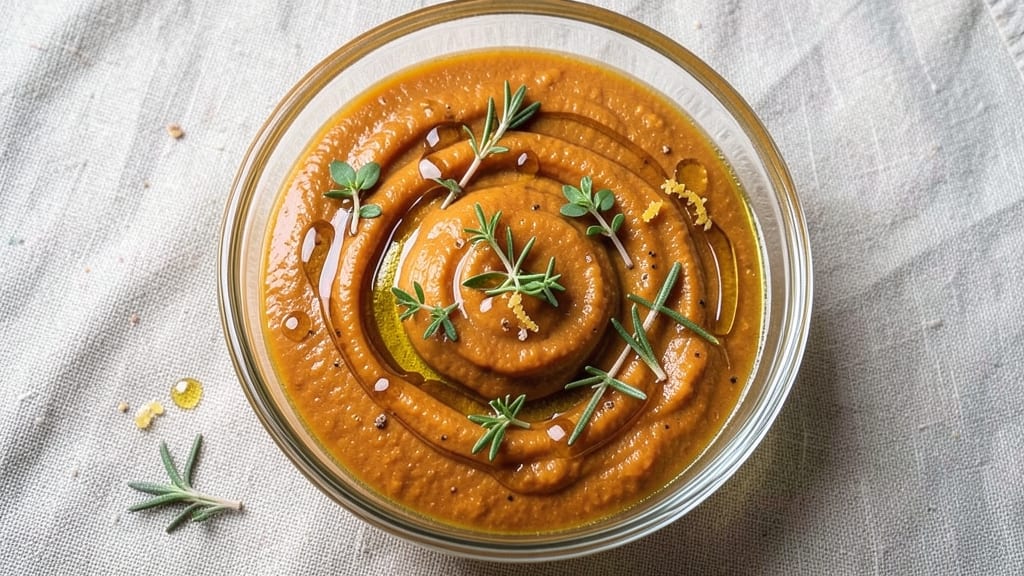
This butternut squash salad dressing transforms humble salads into autumnal masterpieces with its velvety texture and perfect balance of sweetness and tang. 🌿 Roasting the squash caramelizes its natural sugars, creating a rich base that pairs beautifully with sharp vinegar and aromatic herbs.
Unlike store-bought dressings, this homemade version delivers depth and complexity that elevates every bite.
The secret lies in blending roasted squash purée with a tangy vinegar base—apple cider or balsamic—and a touch of maple syrup to enhance the squash’s natural sweetness. Fresh herbs like thyme or rosemary add an earthy aroma, while a drizzle of olive oil ensures a silky, clingy consistency.
This dressing works equally well on crisp greens, hearty grain bowls, or even drizzled over roasted vegetables.
What makes this recipe truly special is its versatility—it’s vegan, naturally gluten-free, and packed with nutrients while still tasting indulgent. The roasted squash adds a subtle caramelized warmth that cuts through rich ingredients, making it perfect for fall and winter meals.
Once you try this, store-bought dressings will never measure up again.
Ready in just 15 minutes with ingredients you likely already have, this dressing is the ultimate pantry-friendly upgrade for any salad. The best part? It keeps well in the fridge for up to a week, so you can make a big batch and enjoy it all season long.
Let’s get started!
Ingredients for butternut squash salad dressing
Roasted squash meets tangy herbs for a dressing that turns salads into autumnal masterpieces—rich, velvety, and packed with flavor!
| Ingredient | Amount | Notes |
|---|---|---|
| Butternut Squash 🎃 | 1 ½ lb | Peeled, cubed, roasted until tender |
| Extra-Virgin Olive Oil 🫒 | ½ cup | High quality, fruity variety |
| Apple Cider Vinegar 🍏 | ¼ cup | Unfiltered for best flavor |
| Pure Maple Syrup 🍁 | ⅛ cup | Grade B for richer flavor |
| Fresh Thyme Leaves 🌿 | ¼ cup | Finely chopped, stems removed |
| Fresh Rosemary 🌿 | 1 tbsp | Finely chopped, fresh preferred |
| Garlic Cloves 🧄 | 2 cloves | Minced for aromatic depth |
| Sea Salt 🧂 | ½ tsp | Fine grain preferred |
| Black Pepper 🌶️ | ¼ tsp | Freshly ground for heat |
| Water 💧 | ¼ cup | For blending consistency |
The butternut squash is the star—roast it until caramelized for that deep, sweet base. Grab a small squash (about 1.5 lbs) from Whole Foods or Trader Joe's—they usually have pre-cubed squash in the produce section, which saves time. If you're using whole squash, peel and cube it yourself; the skin adds texture but can be tough. Roast at 400°F until fork-tender (about 25-30 minutes). The maple syrup? Grade B is your friend—it’s richer and less processed, adding that perfect autumnal depth. And for the herbs, fresh thyme and rosemary from the grocery store’s herb section are ideal, but dried will work in a pinch (use half the amount).
No apple cider vinegar? Balsamic vinegar or white wine vinegar work just as well—just adjust the amount to taste. Running low on maple syrup? Agave nectar or date syrup are great swaps, though maple’s flavor is unmatched. The olive oil matters too—skip the cheap stuff. Trader Joe’s Tuscan-style or a fruity Spanish olive oil elevates this dressing. And if you’re short on time, pre-roasted squash purée from a jar (like Libby’s) works in a bind, though fresh is always better. The garlic can be roasted with the squash for a sweeter flavor—just toss it in with the cubes before roasting.
This dressing keeps beautifully—up to 1 week in the fridge in an airtight jar. For extra shelf life, add a thin layer of olive oil on top before sealing. It also freezes well for up to 3 months, though texture might change slightly. I like to make a big batch and store it in small jars for quick salads all week. Pro tip: If it thickens in the fridge, just stir in a splash of water or a bit of vinegar to loosen it up. Trust me, it’s worth the extra minute to blend it smooth—every drizzle will be perfect.
Why You'll Love This Recipe
- No Blender Needed: I just roast the squash until it’s soft enough to mash with a fork—no fancy gadgets, no fuss. The sweetness from the maple syrup and the tang of apple cider vinegar balance perfectly without overpowering.
- Sweet-Tart Magic: That first drizzle of maple syrup and vinegar on warm squash? It’s like autumn in a jar. The thyme adds this earthy brightness that makes it taste homemade, not store-bought.
- Dresses Up Everything: Slather it on roasted sweet potatoes, toss it with greens, or drizzle it over grilled chicken. It’s my go-to for fall meals—even my picky-eater husband asks for seconds when it’s on the table.
- Makes Leftovers Worth It: A batch keeps for a week in the fridge, and it only gets better as the flavors meld. I double the recipe on Sundays so I’m not scrambling to make dressing midweek—plus, it’s cheaper than buying pre-made.
Step-by-step instructions for butternut squash salad dressing
This dressing transforms simple roasted squash into a velvety, herbed elixir that elevates any salad.
🔥 Step 1: Roast the Butternut Squash Until Caramelized
Preheat your oven to 400°F and line a baking sheet with parchment paper. Toss the 1.5 lb peeled, cubed butternut squash with 1 tablespoon of the extra-virgin olive oil and ¼ teaspoon of the sea salt. Spread the cubes in a single layer—they need room to brown.
Roast for 25-30 minutes until the edges are deep golden brown and the squash yields slightly when pressed with a fork. Here's the thing—don't skip this roasting step. The caramelized flavor transforms this from a simple dressing to something extraordinary. If the squash starts to brown too quickly, tent it loosely with foil to prevent burning.
🍳 Step 2: Blend the Roasted Squash with Herbs and Vinegar
Transfer the roasted squash to a high-speed blender. Add the 0.25 cup apple cider vinegar, 0.125 cup pure maple syrup, 0.25 cup fresh thyme leaves, 1 tablespoon fresh rosemary, and 2 minced garlic cloves. Here's where it gets good—blend until completely smooth, scraping down the sides as needed. You want a silky texture, not chunks.
I like to blend in stages: first pulse to break everything down, then blend continuously for 1-2 minutes until it's completely smooth. The herbs should disappear, leaving just their aromatic essence. If the mixture looks too thick, add the 0.25 cup water gradually while blending. The dressing should be like thick honey—smooth and pourable but not runny.
👨🍳 Step 3: Finish with Olive Oil and Seasoning
With the blender running on low speed, slowly drizzle in the remaining 0.3 cup extra-virgin olive oil. This emulsifies the dressing, creating that luxurious, velvety texture we're after. Add the remaining ¼ teaspoon sea salt and 0.25 teaspoon black pepper, blending just until combined.
Taste and adjust the balance—you want the sweetness of the roasted squash and maple syrup to shine, but with enough acidity from the vinegar to cut through it. If it's too sweet, add a splash more vinegar. If it's too sharp, add a touch more maple syrup. The dressing should be complex, with layers of sweet, tangy, and herby flavors dancing together.
⏰ Step 4: Rest and Perfect the Consistency
Let the dressing rest at room temperature for 10 minutes. This allows the flavors to meld and the emulsification to stabilize. Give it a stir and check the consistency—if it's too thick, whisk in 1-2 tablespoons water at a time until it reaches your desired pourability. If it's too thin, let it sit for another 5 minutes to thicken slightly.
Real talk: the dressing will thicken more as it chills in the fridge. I like to store it in a jar and shake it before each use to re-emulsify. This dressing keeps beautifully in the refrigerator for up to 1 week, making it perfect for meal prep. The flavors actually deepen over time, so don't hesitate to make extra.
Pro Tips For Making Butternut Squash Salad Dressing
- ROAST THE SQUASH FIRST: I used to blend raw squash straight into the dressing—big mistake. Roast 1 cup cubed squash at 400°F (200°C) for 20-25 minutes until tender and caramelized. The flavor deepens, and it blends into a silky texture instead of a grainy mess. (Yes, even if you’re impatient like me, don’t skip this.)
- USE COLD SQUASH FOR DRESSING: Let the roasted squash cool completely before blending—about 10 minutes. Cold squash emulsifies better with the oil, preventing a greasy split. I learned this after my first batch separated like a sad vinaigrette. Trust the process.
- MEASURE VINEGAR PRECISELY: Apple cider vinegar is potent—use exactly 1 tablespoon (not "a splash"). Too much makes the dressing taste harsh, while too little leaves it flat. I used to eyeball it, but now I measure. (Your future self will notice the difference.)
- SALT THE THYME WATER: Rinse thyme leaves in a bowl of ice water, then drain and pat very dry. A pinch of salt in the rinse water removes dirt without wilting the leaves. Wet thyme dulls the dressing’s brightness—this keeps it crisp and aromatic. (I know, it’s weird, but it works.)
Creative variations of these flavors
Spiced Citrus Twist
Brighten your dressing with 1 tablespoon orange zest and 2 tablespoons freshly squeezed orange juice for a zesty twist. The citrus cuts through the squash's sweetness beautifully, adding a refreshing pop.
I like to add a pinch of ground cinnamon (¼ teaspoon) to complement the orange notes—it’s like autumn in a jar. 🍊
Smoky Chipotle Kick
For a smoky, spicy variation, blend in 1 teaspoon adobo sauce from a can of chipotle peppers and ½ teaspoon smoked paprika. This adds depth and heat that pairs perfectly with roasted vegetables or hearty grains.
I balance it with an extra ½ teaspoon maple syrup to keep the sweetness in check.
Creamy Tahini Swirl
Transform this dressing into a creamy, nutty version by replacing ¼ cup of the olive oil with ¼ cup tahini. The tahini adds richness and a nutty undertone that works wonderfully with greens like kale or arugula.
For extra creaminess, add 1 tablespoon lemon juice to balance the tahini’s earthiness.
Herb-Forward Variations
Swap out thyme and rosemary for other fresh herbs based on what you have. Fresh sage (1 tablespoon) adds a peppery note, while cilantro (¼ cup, finely chopped) brings a bright, citrusy freshness.
For a Mediterranean twist, add 1 teaspoon dried oregano and a pinch of red pepper flakes—it’s like a flavor vacation in every drizzle. 🌿
Sweet & Spicy Maple-Chili
For a sweet-and-spicy dressing, stir in ½ teaspoon cayenne pepper and an extra 1 tablespoon maple syrup after blending. The cayenne adds a subtle kick that pairs perfectly with roasted squash salads or spicy dishes.
I like to finish with a sprinkle of crushed red pepper flakes on top for extra heat.
Nutty Walnut Crunch
For texture lovers, blend in 2 tablespoons walnuts (toasted and finely chopped) for a nutty crunch. The walnuts add a satisfying bite that contrasts the creamy dressing. I recommend toasting the walnuts in a dry pan for 2-3 minutes until fragrant before blending them in—it makes all the difference. 🌰
Nutrition facts
Frequently asked questions
Can I make this dressing without roasting the squash?
Roasting is key for that caramelized sweetness, but you can use steamed or boiled squash in a pinch. The flavor will be milder—more like a squash vinaigrette than a rich dressing. For best results, roast at 400°F for 25-30 minutes to develop those deep, nutty notes that make this recipe special.
How long will this dressing last in the fridge?
This dressing stays fresh for up to 1 week when stored in an airtight jar. For extra shelf life, add a thin layer of olive oil on top before sealing. It also freezes well for 3 months, though texture may change slightly. Always shake before using to re-emulsify.
What's the best way to store leftovers?
Keep it in a sealed glass jar in the fridge. If it thickens, stir in 1-2 tablespoons water to loosen. For meal prep, portion into small jars—this way you can grab just what you need without transferring. The flavors actually improve over time, so make extra!
Can I use this dressing on non-salad dishes?
Drizzle it over roasted vegetables, grain bowls, or even toasted bread as a dip. It also works beautifully as a glaze for meat or tofu before roasting. The sweet-tangy balance makes it incredibly versatile beyond just salads.
What if my dressing separates?
This happens when the emulsion breaks, usually from temperature changes. Simply whisk vigorously or blend briefly to recombine. For extra stability, add ½ teaspoon mustard (Dijon works best) when blending—it acts as a natural emulsifier. Always store it in the fridge to prevent separation.