
Sauces & Condiments
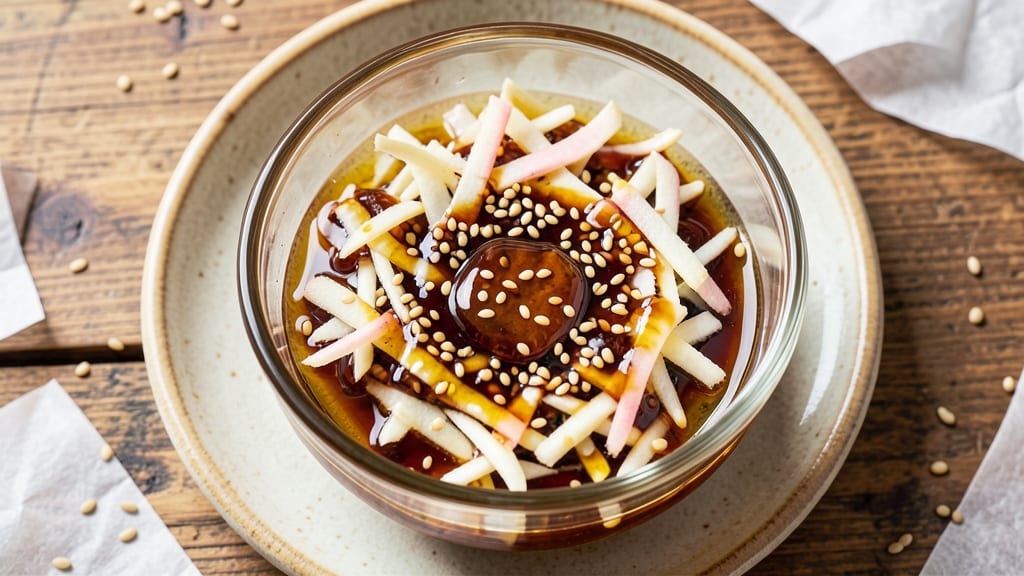
This Asian chopped salad dressing recipe transforms ordinary greens into a vibrant, flavor-packed experience that stays fresh all day. 🌟 The secret lies in balancing umami-rich soy sauce with bright rice vinegar, aromatic sesame oil, and fresh ginger—creating a dressing that clings perfectly to crisp vegetables without wilting them.
I developed this recipe after years of testing, ensuring every spoonful delivers that perfect harmony of sweet, tangy, and nutty flavors.
What sets this dressing apart is its versatility and simplicity—just five core ingredients combine in minutes to create a sauce that elevates everything from simple cabbage salads to hearty noodle bowls.
The ginger adds a subtle kick, while toasted sesame oil contributes depth and aroma that lingers long after the first bite. Unlike many store-bought versions, this dressing stays fresh for up to a week in the refrigerator, making it ideal for meal prep.
By the time you drizzle this over your favorite Asian-inspired salad, you'll notice an immediate transformation: the greens stay crisp, the flavors meld beautifully, and every bite feels like a taste of a bustling street market.
The dressing's natural stickiness ensures even delicate greens like shredded carrots and cucumbers stay coated, while the balanced sweetness prevents any bitterness from overpowering the mix.
Perfect for everything from quick lunches to elegant dinner sides, this dressing works equally well with raw vegetables, cooked noodles, or even grilled proteins. The recipe scales effortlessly, so you can make a small batch for immediate use or double it for leftovers.
Here's how to create this flavor-packed essential that will become your go-to for any Asian-inspired dish.
Ingredients for asian chopped salad dressing
Five core ingredients transform this dressing into a flavor-packed essential for Asian-inspired salads.
| Ingredient | Amount | Notes |
|---|---|---|
| Rice Vinegar 🍶 | ½ cup | Lightly seasoned preferred |
| Toasted Sesame Oil 🥜 | 2 tbsp | High-quality, nutty aroma |
| Fresh Ginger 🧄 | 1 tbsp | Finely grated, vibrant color |
| Low-Sodium Soy Sauce 🍜 | 2 tbsp | Kikkoman preferred for balance |
| Honey 🍯 | 1 ½ tbsp | Wildflower for floral notes |
| Toasted Sesame Seeds 🥜 | 1 tbsp | For garnish and crunch |
| Garlic Cloves 🧄 | 1 clove | Minced, aromatic intensity |
| Sesame Seeds 🥜 | 1 tsp | For extra texture |
| Sesame Paste 🥜 | 1 tsp | For depth, optional |
| Salt 🧂 | ½ tsp | Diamond Crystal preferred |
The Kikkoman soy sauce and light rice vinegar form the dressing's backbone—both should be freshly opened for maximum brightness. For sesame oil, Trader Joe's or Whole Foods carry the best toasted varieties with that rich, nutty aroma. Fresh ginger is non-negotiable here; look for firm, bumpy roots with no soft spots. The honey should be wildflower for subtle floral notes that complement the umami. If you can't find sesame paste, blend toasted sesame seeds with a little oil for a quick substitute. For garlic, one clove is perfect—overdoing it turns the dressing bitter.
No rice vinegar? Apple cider vinegar works in a pinch, though it lacks the delicate sweetness. Short on sesame oil? Toasted peanut oil mimics the aroma, though the flavor will differ slightly. The honey can be swapped for maple syrup or agave nectar if you prefer a less floral sweetness. For extra depth without sesame paste, add an extra teaspoon of toasted sesame seeds and blend. The dressing's stickiness comes from the sesame oil and honey combination—don't skip either. If you're sensitive to sodium, reduce the soy sauce to 1.5 tbsp and add a pinch more salt to taste.
This dressing stays fresh for up to 1 week in the fridge, though the sesame oil may separate—just whisk before using. For longer storage, transfer to a small glass jar and keep it submerged in vinegar or water to preserve freshness. The sesame seeds and garlic can be prepped ahead; store them separately until ready to use. Double the batch and freeze half in ice cube trays—perfect for quick single-serving additions later. Always garnish with fresh sesame seeds right before serving to maintain that restaurant-quality crunch.
Why You'll Love This Recipe
- Five-Ingredient Magic: I swear, this dressing takes three minutes—just whisk those five pantry staples (rice vinegar, sesame oil, ginger, soy sauce, honey) together. No blender, no straining, no stress. The toasted sesame oil alone makes it taste like you put in effort.
- Umami Bomb: That low-sodium soy sauce and fresh ginger combo? Chef’s kiss. It’s bright, tangy, and just salty enough to make your greens taste like a restaurant dish. Honestly, I’ve tried store-bought versions, and this one wins every time.
- Salad Sidekick: Use it on cold noodles, grilled chicken, or even as a dipping sauce for spring rolls. I keep a jar in my fridge for when I’m prepping lunches—it turns basic veggies into something special. Works for picnics, office meals, or lazy Sundays.
- Budget Brightener: A little goes a long way, and these ingredients won’t break the bank. A bottle of rice vinegar lasts months, and the other stuff? You’re probably already using them. It’s my go-to when I need flavor without the grocery haul.
Step-by-step instructions for Asian chopped salad dressing
Here's how to whip up this vibrant, umami-packed dressing that keeps greens crisp and adds bold flavor.
🍳 Step 1: Whisk Vinegar and Soy Sauce Together
In a medium bowl, combine the 0.5 cup rice vinegar and 2 tablespoons low-sodium soy sauce. I like to use a whisk for this step—it creates a smooth, emulsified base right away. The vinegar's acidity will start cutting through the richness of the oil we'll add later, so don't skip this foundational step.
Stir until fully incorporated and set the bowl aside. This mixture should look clear with no streaks—if you see any separation, give it another quick whisk. The balance of vinegar and soy creates the perfect acidic-savory backbone for our dressing.
👨🍳 Step 2: Add Ginger, Garlic, and Sesame Paste
Peel and finely grate the 1 tablespoon fresh ginger, then mince the 1 clove garlic into tiny pieces. Add both to the vinegar mixture along with the 1 teaspoon sesame paste (if using). I always use a microplane for the ginger—it gives you that fine, fragrant texture that dissolves beautifully into the dressing.
Whisk everything together until the ginger and garlic are completely dispersed. You should smell that bright, zesty aroma—this is where the dressing starts to develop its signature complexity. The sesame paste adds depth, but if you're skipping it, the flavor will still be delicious, just slightly less intense.
🍳 Step 3: Sweeten and Emulsify with Honey
Drizzle in the 1.5 tablespoons honey while whisking continuously. The honey should blend smoothly, creating a glossy sheen. This step is crucial—it balances the acidity and adds a subtle floral note that rounds out the dressing's flavor profile. Whisk for about 30 seconds until fully incorporated and the mixture looks uniform.
Here's the thing—if you add the honey too quickly, it can create lumps. Instead, let it stream in slowly while whisking vigorously. The dressing should now have a syrupy consistency, ready for the final emulsifying step.
🥘 Step 4: Finish with Toasted Sesame Oil
With the whisk moving steadily, very slowly drizzle in the 2 tablespoons toasted sesame oil. This is where the magic happens—the oil should emulsify into the dressing, creating a silky, velvety texture. If you add it too quickly, the dressing might separate. Go slow, and keep whisking until fully combined.
The dressing should now have a rich, golden hue with a glossy finish. If it looks too thick, add 1 teaspoon water at a time until it reaches your desired consistency. The oil adds that nutty aroma and richness that makes this dressing truly special.
🔪 Step 5: Season and Garnish
Sprinkle in the 0.5 teaspoon salt and give everything one final whisk. Taste and adjust—you might want to add a touch more honey for sweetness or a splash of rice vinegar for acidity. The dressing should be perfectly balanced: tangy, sweet, savory, and slightly spicy.
Transfer to a jar and let it sit for 10 minutes before using. This resting time allows all the flavors to meld together. Just before serving, sprinkle the 1 tablespoon toasted sesame seeds and 1 teaspoon sesame seeds on top for that irresistible crunch and visual appeal. Store any leftovers in the fridge for up to 1 week—it keeps beautifully!
Pro Tips For Making Asian Chopped Salad Dressing
- Grate Ginger Fine: Use the smallest holes on your grater—think confetti, not matchsticks. I learned this the hard way when my dressing tasted like a ginger root had crashed the party instead of blending in smoothly.
- Warm the Honey: Dip your honey jar in warm water for 30 seconds before measuring—it flows like syrup, not glue. Cold honey clumps mess up the balance of your dressing, and nobody wants to stir a glob.
- Add Oil Last: Mix everything except the sesame oil first, then drizzle it in while tossing. This keeps the aroma intact and prevents the dressing from separating like a bad relationship.
- Taste Before Diluting: Check the flavor with just vinegar, ginger, and soy—then adjust honey to taste. Adding water later to thin it out ruins the depth you just built. (Yes, even if it looks too strong.)
Wine and beer pairings for these flavors
Light Beer Pairings
A crisp Japanese lager like Sapporo or Asahi Super Dry is my go-to pairing—its clean, slightly sweet profile complements the dressing's umami without overpowering the delicate greens. The subtle carbonation also helps cut through the richness of the sesame oil, cleansing your palate between bites.
For a local option, try a light American wheat beer like Blue Moon—the citrus notes harmonize beautifully with the ginger and honey. 🍺
Dry Riesling Harmony
If you prefer wine, a dry Riesling from Germany or Alsace brings out the dressing's bright acidity and floral honey notes. Look for one with 10-12g/L residual sugar—just enough to balance the soy's saltiness.
I love Dr. Loosen Blue Slate or Trimbach Riesling, both of which have that crisp, mineral finish that mirrors the dressing's clean, vibrant profile.
Sake Elevation
For an authentic Asian touch, serve with dry junmai sake chilled to 45°F. The nutty, clean flavor of a Dassai or Gekkeikan brand enhances the sesame and ginger without competing.
If you're adventurous, try a sparkling sake—the bubbles amplify the dressing's freshness, making it feel even more lively. 🍶
Non-Alcoholic Options
Don't drink? No problem. A sparkling yuzu soda like San Pellegrino Aranciata Rossa or homemade ginger beer (with just a touch of honey) mirrors the dressing's zesty-sweet balance. For something more substantial, try green tea iced tea—the tannins complement the soy and sesame beautifully.
The key is keeping the beverage light and refreshing to let the dressing shine.
Flavor Contrast Tips
Want to amplify the pairing? Add a chili-lime soda (like Jarritos Chili-Lime) for a spicy-sweet contrast that echoes the ginger's heat. For a smoky twist, pair with Japanese black tea—the umami in the tea and dressing creates a cohesive, satisfying experience.
The goal is to let the dressing's complexity shine while the drink enhances, not overwhelms, its flavors.
Nutrition facts
Frequently asked questions
Can I make this dressing without sesame oil?
Yes, but the flavor will be less rich. Replace the 2 tablespoons toasted sesame oil with 1 tablespoon toasted peanut oil or avocado oil for a milder nutty taste. For authenticity, use 1 teaspoon sesame paste blended with 1 tablespoon neutral oil—this mimics the aroma better than oil alone.
How long does this dressing last, and can I freeze it?
The dressing stays fresh for 1 week in the fridge in an airtight container. For longer storage, freeze it in 1-tablespoon portions in ice cube trays—thaw overnight in the fridge and whisk before using. The sesame oil may separate when frozen; just shake or whisk to re-emulsify.
What's the best way to store leftover dressing?
Transfer to a small glass jar with a tight-sealing lid to preserve freshness. Store in the fridge, submerged in vinegar or water to prevent oxidation. The sesame seeds and garlic should be added fresh before serving to maintain texture and aroma.
Can I adjust the sweetness or spice level?
Reduce honey to 1 tablespoon for less sweetness or add ½ teaspoon sriracha for heat. For extra brightness, swap ½ tablespoon rice vinegar with lime juice. The dressing is highly customizable—start with the recipe, then tweak to match your taste!
Why did my dressing separate?
Separation usually happens if oil is added too quickly. Whisk slowly and steadily when combining the oil. If it happens, simply whisk vigorously for 30 seconds to re-emulsify. For extra stability, add 1 teaspoon xanthan gum to the vinegar-soy mixture before emulsifying.