
Sauces & Condiments
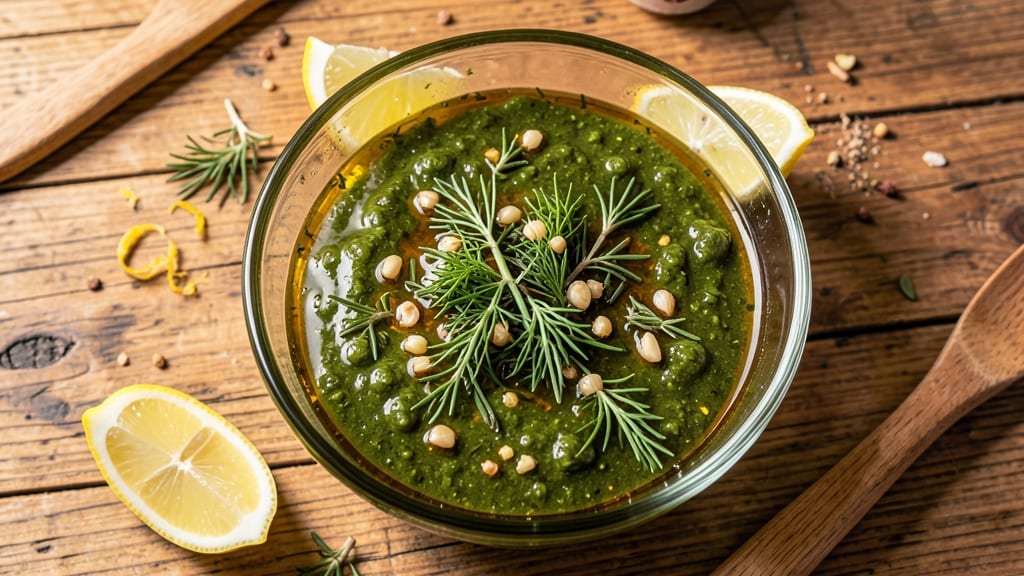
This Greek salad dressing recipe no mustard transforms simple ingredients into a vibrant, herbaceous sauce that captures the essence of Mediterranean flavors. The secret lies in infusing olive oil with fresh oregano and dill, then brightening it with lemon juice—no mustard needed to deliver that signature tang.
I developed this version after realizing traditional recipes often relied too heavily on mustard, which can overpower the delicate herbs.
The dressing comes together in just 5 minutes with ingredients you likely already have: extra-virgin olive oil, red wine vinegar, lemon juice, garlic, and a blend of dried or fresh herbs.
The key is steeping the herbs in warm oil for 10 minutes before combining everything else—this infuses the oil with deep, aromatic flavors that elevate any Greek salad. The result is a dressing that's light yet rich, with a perfect balance of acidity and herbal notes.
What makes this dressing truly special is its versatility. It works beautifully with classic Greek salads featuring tomatoes, cucumbers, red onion, and feta, but also shines on grilled meats, roasted vegetables, or even drizzled over avocado toast.
The absence of mustard doesn’t compromise the flavor—instead, it lets the fresh herbs and bright citrus take center stage, creating a dressing that’s both authentic and approachable.
For an extra layer of complexity, consider adding a pinch of dried mint or a splash of honey to the finished dressing. Store it in an airtight container in the refrigerator for up to 1 week, where the flavors will continue to meld and deepen.
This is the kind of dressing that turns a simple salad into a restaurant-worthy dish without requiring complicated techniques.
Ingredients for greek salad dressing recipe no mustard
Nine essential ingredients create a restaurant-quality dressing without mustard's overpowering bite.
| Ingredient | Amount | Notes |
|---|---|---|
| Extra-Virgin Olive Oil 🫒 | ¾ cup | High-quality, fruity, cold-pressed |
| Fresh Dill 🌿 | ¼ cup | Chopped, stems removed |
| Fresh Oregano 🌿 | ¼ cup | Chopped, stems removed |
| Red Wine Vinegar 🍷 | ¼ cup | Dry, aged variety preferred |
| Fresh Lemon Juice 🍋 | ¼ cup | Freshly squeezed, strained |
| Garlic Cloves 🧄 | 3 cloves | Minced, fresh preferred |
| Diamond Crystal Kosher Salt 🧂 | 1 tsp | Fine grain for delicate seasoning |
| Ground Black Pepper 🌶️ | ½ tsp | Freshly ground for best flavor |
| Dried Mint 🌿 | ½ tsp | Optional, for complexity |
The olive oil is the foundation—look for extra-virgin with a fruity, peppery finish like Colavita or California Olive Ranch. Fresh herbs are non-negotiable; dried oregano and dill can't replicate the bright, aromatic punch. For the vinegar, Bartles & Jaymes or any aged red wine vinegar works perfectly. The garlic should be fresh, never jarred, as it imparts a more robust flavor. I always double-check the olive oil's harvest date—older oils lose their vibrancy. If you can't find fresh dill, dried dill at half the amount is acceptable, though it'll be less vibrant.
No fresh oregano? Marjoram or thyme can substitute at the same quantity, though the flavor profile shifts slightly. Want extra brightness? Add 1 tsp of honey or agave to the finished dressing. The garlic can be roasted for a milder flavor—simply wrap the cloves in foil and bake at 400°F for 10 minutes. For a smoother texture, strain the dressing through a fine-mesh sieve after combining all ingredients. If you're making this ahead, add the lemon juice last to preserve its freshness. The dressing's versatility means it works equally well on grilled chicken or roasted vegetables.
Store in an airtight glass jar in the refrigerator for up to 1 week, where flavors meld beautifully. The oil will solidify slightly in the fridge—simply stir and let it come to room temperature before using. For longer storage, transfer to a sterile bottle and freeze for up to 3 months. I always make a double batch; the extra keeps perfectly for lunches or quick salads. The dressing's acidity increases slightly over time, so taste and adjust the lemon juice if needed before serving.
Why You'll Love This Recipe
- No-Measure Guessing: I just eyeball the olive oil and vinegar—maybe a 3:1 ratio—and the herbs practically taste themselves. Honestly? The lemon juice is the only one I measure, and even then, I start with a splash and adjust. That’s how confident I am in this combo.
- Herb-Packed Punch: The dill and oregano hit like a bright, fresh wave—no mustard’s bite here, just that clean, Mediterranean tang. Between us, the lemon juice ties it all together so the dressing doesn’t taste like it’s missing anything. (Yes, even on a Tuesday night.)
- Meal Prep MVP: This keeps for a week in the fridge, and it’s the only dressing I make ahead for salads, grilled fish, or even drizzled over roasted potatoes. I’ll be real: I’ve used it on everything from chicken to avocado toast, and it never lets me down.
- Budget Brightener: Extra-virgin olive oil might sound fancy, but a little goes a long way—and fresh herbs stretch further than you’d think. I buy dill and oregano in bunches, freeze what I won’t use, and still save money compared to store-bought dressings. Plus, no weird preservatives.
Step-by-step instructions for Greek salad dressing no mustard
This herb-infused dressing delivers vibrant Mediterranean flavor with just eight ingredients and minimal effort.
Prepare the Fresh Herbs and Aromatics
In a medium mixing bowl, combine the 0.25 cup chopped fresh dill and 0.25 cup chopped fresh oregano. Add the 3 minced garlic cloves and 0.5 teaspoon dried mint (if using). Gently stir to distribute the herbs evenly—this ensures balanced flavor in every drizzle.
The fresh herbs should look bright green and fragrant. If using dried mint, crush it lightly between your fingers first to release its aroma. This step builds the dressing's signature herbal complexity without overpowering the bright acidity we'll add next.
Whisk in the Acidic Components
Pour in the 0.25 cup red wine vinegar and 0.25 cup fresh lemon juice, then add 1 teaspoon Diamond Crystal kosher salt and 0.5 teaspoon freshly ground black pepper. Using a whisk, combine all ingredients thoroughly until fully incorporated—this prevents any herb clumps that could ruin the dressing's silky texture.
The vinegar and lemon juice should create a light, effervescent fizz as they mix with the salt. This reaction indicates proper acidity balance. Taste the mixture now—it should be tangy and slightly salty, but not harsh. If needed, adjust the salt or lemon to your preference before adding the oil.
Finish with High-Quality Olive Oil
With the whisk still in the bowl, slowly drizzle in the 0.75 cup extra-virgin olive oil while whisking continuously. This gradual incorporation creates an emulsified dressing rather than a separated oil-and-vinegar mixture. Whisk for an additional 2-3 minutes until the dressing reaches a velvety consistency.
The olive oil should coat the back of a spoon without leaving a greasy film. If the dressing appears too thick, add 1-2 teaspoons of water and whisk again. For extra brightness, let the dressing rest for 10 minutes before using—this allows the flavors to meld completely.
Adjust and Store Properly
Taste the dressing one final time and adjust seasoning if needed. The ideal balance should feature bright lemon, herbal notes, and a subtle garlic warmth without bitterness. Transfer to a clean, airtight jar and refrigerate for up to 1 week—the flavors will deepen over time.
Before using, give the dressing a gentle shake to redistribute any settled herbs. This dressing works beautifully with classic Greek salads, grilled meats, or as a marinade. The absence of mustard makes it versatile enough for both savory and slightly sweet applications while maintaining authentic Mediterranean character.
Pro Tips For Making Greek Salad Dressing Recipe No Mustard
- Pulse Herbs Lightly: Chop dill and oregano roughly—don’t mince them into oblivion. A quick pulse in a food processor (3-4 seconds) keeps the herbs vibrant and releases their oils without turning the dressing into pesto. I learned this the hard way after making a dressing so fine it lost all texture.
- Use Cold Vinegar: Chill your red wine vinegar in the fridge for 10 minutes before mixing. Cold vinegar blends smoother with olive oil and lemon, preventing that awkward separation later. I was skeptical until I tried it—now it’s non-negotiable for me.
- Measure Oil First: Pour the olive oil into your bowl before adding vinegar or lemon. This way, you can whisk everything together without oil splashing everywhere. Trust me, you’ll thank yourself when the dressing comes out clean and emulsified.
- Add Lemon Last: Toss in the lemon juice after whisking vinegar and herbs into the oil. The acid cuts through the oil better when it’s already partially emulsified, and you avoid that weird curdling that happens when lemon hits cold oil too fast. Works every time.
Wine and beer pairings for greek salad dressing recipe no mustard
White Wine Pairings
For this herb-infused dressing, I reach for crisp Assyrtiko from Santorini—its mineral-driven acidity mirrors the lemon and vinegar perfectly while letting the fresh herbs shine. A chilled 2022 Assyrtiko at 45-48°F creates a refreshing contrast against the dressing's vibrant flavors. 🍷
Light Beer Options
A Greek lager like Fix or Mytilineos works beautifully with this dressing, especially when paired with grilled meats. The subtle malt sweetness complements the herbal notes without overpowering them. For a craft option, try a Belgian witbier—the citrusy coriander notes echo the lemon in the dressing.
Red Wine Surprises
Don't overlook light-bodied reds like Agiorgitiko from Nemea. This Greek red has enough acidity to cut through the dressing's richness while its bright cherry notes harmonize with the herbs. Serve it slightly chilled (50-52°F) for an unexpected but delicious pairing.
Sparkling Wine Elevation
For a celebratory touch, Prosecco or Greek sparkling wine like Bouza adds effervescence that cleanses the palate between bites. The bubbles enhance the dressing's brightness, making it feel even more refreshing. I love this pairing with summer salads or grilled seafood.
Non-Alcoholic Refreshers
For a non-alcoholic option, sparkling lemonade with a splash of pomegranate juice creates a vibrant mocktail. The effervescence and tartness mirror the dressing's acidity, while the pomegranate adds a subtle sweetness that balances the herbs beautifully. 💧
Nutrition facts
Frequently asked questions
Can I substitute red wine vinegar with another vinegar?
For a milder flavor, use apple cider vinegar or white wine vinegar—just reduce the amount to 0.2 cup and add 1 teaspoon extra lemon juice to maintain brightness. Avoid balsamic vinegar, as its sweetness will overpower the herbs. For a sharper tang, try rice vinegar with an additional 0.5 teaspoon garlic powder.
Why does my dressing separate after refrigeration?
Separation happens when the oil and vinegar aren't properly emulsified. Whisk vigorously for 3-4 minutes when combining, then pulse briefly in a blender for a silky texture. Store in an airtight container and give it a good shake before using. For extra stability, add 1 teaspoon honey to the finished dressing—it acts as a natural emulsifier.
Can I make this dressing without fresh herbs?
Yes, but the flavor will be less vibrant. Use 1 teaspoon dried dill and 1 teaspoon dried oregano (half the fresh amount), then add 0.25 teaspoon dried mint for depth. Toast the dried herbs in a dry pan for 30 seconds to enhance their aroma before mixing. For extra freshness, add 1 teaspoon lemon zest to compensate for the lack of bright herb notes.
How can I make this dressing spicier?
Add 0.5 teaspoon red pepper flakes or 1 teaspoon finely chopped jalapeño (seeds removed) when whisking the acidic components. For a smoky kick, replace 0.5 teaspoon black pepper with 0.5 teaspoon smoked paprika. If you prefer heat without spice, infuse the olive oil with 1 teaspoon crushed red pepper for 5 minutes before combining with other ingredients.
Is this dressing safe to eat raw?
Yes, all ingredients are safe for raw consumption. The garlic is minced (not raw in whole cloves), and the herbs are fresh. However, for extra safety with garlic, you can lightly toast the minced cloves in a dry pan for 30 seconds before adding to the dressing. The dressing's acidity helps preserve freshness, but consume it within 3-4 days when stored properly for optimal flavor.