
Salads
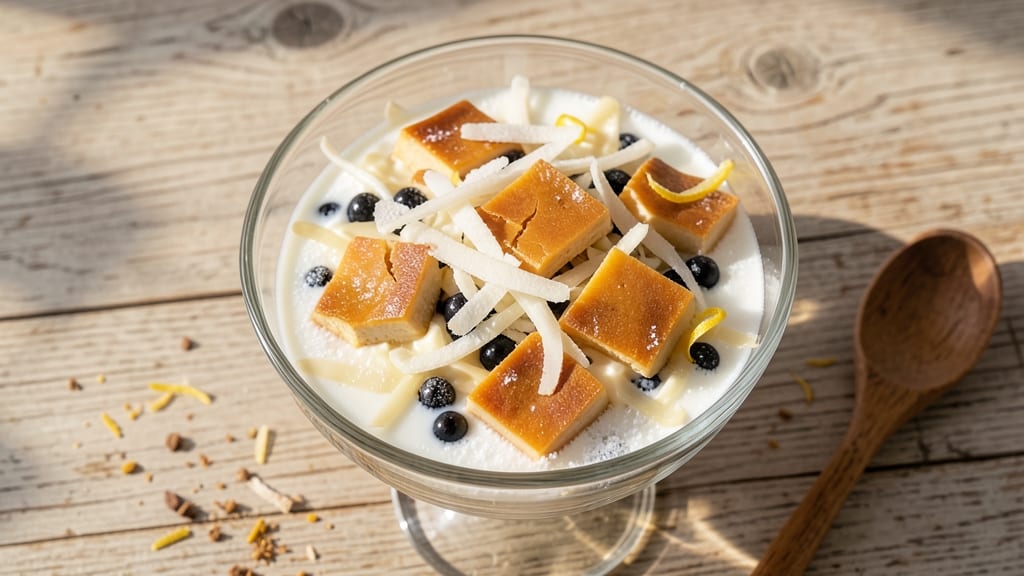
This buko salad recipe with Nestlé cream delivers the perfect balance of chewy young coconut, creamy gelatin, and sweet leche flan—an iconic Filipino dessert that’s both nostalgic and refreshing. 💛 The secret lies in soaking the buko (shaved coconut) just long enough to soften without losing its texture, then layering it with the signature jelly-like Nestlé cream for that signature melt-in-your-mouth harmony.
What sets this recipe apart is the traditional Filipino technique of combining creamy gelatin with fresh ingredients like kaong (glutinous rice) and gulaman (agar-agar). The Nestlé cream adds a velvety richness that contrasts beautifully with the natural sweetness of the coconut and leche flan.
It’s a dessert that’s equally at home as a light afternoon treat or a showstopping finale for gatherings.
The result is a visually stunning salad with layers of creamy gelatin, translucent buko, and vibrant toppings. Each bite offers a mix of textures—chewy coconut, silky gelatin, and the smoothness of leche flan—all tied together by a subtle coconut milk dressing.
This isn’t just dessert; it’s a celebration of Filipino flavors in every spoonful.
Perfect for special occasions or as a comforting homemade treat, this buko salad is easier to make than it looks. With just a few key steps—soaking, layering, and chilling—you’ll have a dessert that tastes like a trip to a Filipino bakery. Let’s get started!
Ingredients for buko salad recipe with nestle cream
Six key ingredients transform into a nostalgic Filipino dessert masterpiece.
| Ingredient | Amount | Notes |
|---|---|---|
| Shaved Young Coconut (Buko) 🥥 | 3 cups | Freshly shaved, packed |
| Nestlé Cream (Leche Flan Mix) 🧀 | 1 package | 14 oz box, prepared |
| Unflavored Gelatin Powder 🍬 | 2 tbsp | Knox brand preferred |
| Granulated Sugar 🍬 | 1 ½ cups | White or light brown |
| Coconut Milk (Canned) 🥛 | 1 can | Full-fat, 13.5 oz |
| Kaong (Glutinous Rice) 🍚 | ½ cup | Dried, rinsed well |
| Agar-Agar Powder (Gulaman) 🌿 | 1 tbsp | Fine grade preferred |
| Lime Juice 🍋 | 2 tbsp | Freshly squeezed |
| Vanilla Extract 🌸 | 1 tsp | Pure, high-quality |
| Toasted Coconut Flakes 🥥 | ¼ cup | For garnish |
| Sweetened Condensed Milk 🥛 | ½ cup | Carnation brand |
| Water 💧 | 1 ½ cups | Room temperature |
The buko is non-negotiable—freshly shaved from young coconut at an Asian market delivers that signature chewy texture. Nestlé Cream (the iconic leche flan mix) creates the velvety gelatin layers that define this dessert. For kaong, Filipino specialty stores carry it dried, but if unavailable, substitute with extra buko. The agar-agar powder must be fine-grade to dissolve smoothly; Filipino brands like Royal are ideal. Always soak the buko in cold water for exactly 30 minutes—no longer, or it loses its bite.
No Nestlé Cream? Substitute with homemade flan mixture (egg yolks, condensed milk, and caramelized sugar), though the texture won't be identical. For gelatin, unflavored powdered gelatin is essential—flavored varieties alter the delicate balance. Coconut milk brands vary in richness; Aroy-D or Goya provide consistent results. The kaong must be rinsed thoroughly to remove excess starch. Lime juice can be swapped for calamansi juice (Filipino lime) if available, but regular lime works in a pinch.
Prep the gelatin mixture first—it needs 5 minutes to set before layering. Store the assembled buko salad in an airtight container in the fridge for up to 5 days. For best texture, let it sit at room temperature for 10 minutes before serving. Garnish with toasted coconut flakes just before serving to maintain crunch. Freezing isn't recommended as it alters the delicate textures.
Why You'll Love This Recipe
- No-Fuss Mixing: The gelatin and sugar dissolve while you boil the coconut milk—no straining, no waiting for hours. Just stir, pour, and let it set. Honestly, I’ve made this wrong twice (forgot to bloom the gelatin once), but it still came out fine.
- Creamy-Crunch Magic: That Nestlé Cream mix? It turns the whole thing into a dreamy, jiggly texture—like biting into a cloud with coconut shavings cutting through. Between us, the first time I tasted it, I texted my mom: "This is the dessert I want every day."
- Party in a Bowl: Bring it to potlucks, family gatherings, or even as a "dessert" for your book club. It’s the one dish that looks impressive but takes zero effort to assemble. (Yes, even on a Tuesday night.)
- Leftovers That Last: This keeps in the fridge for days—no weird texture changes, just that same perfect balance of sweet and chewy. I’ve had it cold, at room temp, and even reheated (don’t judge), and it’s always a hit. Budget win, too—uses pantry staples you probably already have.
Step-by-step instructions for buko salad with Nestlé Cream
Master the art of creating this luscious Filipino dessert with perfect texture balance.
👨🍳 Step 1: Prepare the Kaong and Agar-Agar Mixture
In a medium saucepan, combine the 0.5 cup kaong and 1.5 cups water. Bring to a gentle boil over medium heat, then reduce to a simmer for 15-20 minutes until the kaong is translucent and tender. Drain thoroughly using a fine-mesh strainer, reserving the cooking liquid.
In a separate small bowl, whisk together 1 tbsp agar-agar powder with ½ cup of the reserved kaong liquid until completely dissolved. Return this mixture to the saucepan and bring to a full boil over medium-high heat, stirring constantly. Once boiling, remove from heat and let sit for 5 minutes to thicken. This creates your gelatinous kaong base that will hold the salad's structure.
🍳 Step 2: Create the Nestlé Cream Mixture
Prepare the 1 package Nestlé Cream according to package instructions, using 1.5 cups granulated sugar and 1.5 cups water. Whisk vigorously until completely dissolved and smooth. In a separate bowl, combine 1 can coconut milk, 0.5 cup sweetened condensed milk, 2 tbsp lime juice, and 1 tsp vanilla extract. Gently fold this coconut mixture into the prepared Nestlé Cream until fully incorporated.
Add the thickened kaong mixture from Step 1 to the Nestlé Cream blend, stirring gently to combine. The mixture should be smooth but slightly thicker than heavy cream. Taste and adjust sweetness if needed—this is your creamy base layer that will perfectly complement the buko. Let this mixture cool to room temperature while you prepare the remaining components.
🥘 Step 3: Assemble the Buko Salad Layers
In a large mixing bowl, combine the 3 cups shaved young coconut (buko) with the cooled Nestlé Cream mixture. Gently fold together using a spatula, being careful not to crush the buko pieces. The salad should have a light, airy texture with the buko evenly distributed throughout the creamy base.
Divide the mixture evenly among 6 serving glasses, pressing down gently to compact the buko at the bottom. This layering ensures each serving has that perfect buko-to-cream ratio. For the final touch, sprinkle each serving with 1 tablespoon toasted coconut flakes and refrigerate uncovered for 2-3 hours to allow the flavors to meld and the buko to absorb the cream.
⏰ Step 4: Chill and Serve with Perfect Texture
After chilling, the buko salad should have a firm yet creamy consistency with the buko pieces standing up slightly from the surface. This is the ideal texture—firm enough to hold its shape when scooped, but still creamy and luscious in every bite.
Serve immediately or store covered in the refrigerator for up to 2 days. The salad tastes best when served slightly chilled but not frozen. For an extra touch, garnish each serving with a few additional toasted coconut flakes just before serving to enhance both visual appeal and texture contrast.
Pro Tips For Making Buko Salad Recipe With Nestle Cream
- Soak the Buko: Dump the shaved coconut into cold water for at least 30 minutes before draining—this cuts down on the bitterness and makes it absorb the cream better. I used to skip this, and the texture always felt off until I tried it.
- Bloom the Gelatin Right: Sprinkle the unflavored gelatin powder over cold water first, then let it sit for 5 minutes before heating. Stirring it into hot liquid too soon turns it into a useless paste—this step guarantees a smooth set.
- Whisk the Nestlé Cream: Don’t just dump the leche flan mix into the hot liquid—whisk it vigorously for 2 minutes until it’s fully dissolved and glossy. I’ve seen lumpy batches ruin the texture, and this avoids that.
- Chill in Layers: Pour the mixture into the mold in thin layers, tapping the sides gently to remove air bubbles. Freeze for 4 hours, then finish in the fridge—this keeps it creamy, not icy, every time.
Storing and reheating this recipe
Refrigerator Storage
Store your buko salad in an airtight container with a lid, pressing down gently to keep the layers intact. The salad keeps beautifully in the fridge for up to 5 days—the flavors actually deepen as the buko absorbs more of the creamy gelatin mixture. I like using glass Pyrex containers because they show off the pretty layers while keeping everything fresh. Just
Freezing Limitations
Unfortunately, buko salad doesn’t freeze well—the gelatin and coconut textures become grainy when thawed. If you must freeze, portion it into single-serving containers and thaw in the fridge overnight. The buko will lose some of its chewy texture, but it’s still edible. For best results, make only what you’ll eat within 2 days of preparation.
Reheating Tips
There’s no need to reheat buko salad! It’s meant to be served chilled straight from the fridge. If it’s been sitting too long and feels too firm, pop it in the microwave for 10-15 seconds on low power to soften slightly.
Stir gently to redistribute the cream, then let it sit for 2 minutes before serving. The key is keeping it cool but not frozen—this dessert is all about that creamy, melt-in-your-mouth experience. ✨
Serving Warm
For a unique twist, serve warm buko salad as a dessert soup! Gently heat the salad in a saucepan over low heat with 2 tbsp coconut milk until just warm (don’t boil).
The heat softens the gelatin beautifully, creating a silky, pudding-like texture. Top with toasted coconut flakes and serve immediately—it’s a showstopper for dinner parties! 🌟
Portion Control
Use ramekins or small glasses for individual servings—they’re perfect for potlucks or family gatherings. To prevent soggy bottoms, layer the buko at the bottom of each container, then top with the cream mixture.
This keeps the texture perfect even after 24 hours of storage. For extra presentation, garnish with a sprinkle of kaong or a drizzle of caramelized coconut syrup before serving. 🥥
Nutrition facts
Frequently asked questions
Can I substitute Nestlé Cream with regular gelatin?
No, you can't directly substitute Nestlé Cream (leche flan mix) with plain gelatin—they serve different purposes. The leche flan mix contains sugar and milk solids that create the signature creamy texture, while plain gelatin would make your salad too firm and lack sweetness. For a similar effect, try mixing 2 tbsp unflavored gelatin powder with 1 cup sweetened condensed milk and 1 cup coconut milk instead.
How do I know when the buko is perfectly soaked?
The buko should be soaked in cold water for exactly 30 minutes—no longer or it becomes mushy. Drain and rinse it well before mixing. Test by squeezing a small piece: it should be tender but still hold its shape when pressed. Over-soaking releases too much moisture, making your salad watery.
Why did my buko salad turn out too firm?
Over-chilling or using too much agar-agar makes the salad firm. For perfect texture, let it set in the fridge for only 2-3 hours (not overnight). If needed, stir in 1 tbsp coconut milk to soften. Also, ensure your gelatin mixture cooled completely before combining with buko—warm gelatin sets too quickly.
Can I make buko salad without kaong?
Yes! If you can't find kaong, simply omit it—the buko and Nestlé Cream will still create a delicious dessert. For extra texture, add ½ cup extra buko or ¼ cup toasted coconut flakes to compensate. The kaong adds a subtle chewy contrast but isn't essential for the classic flavor.
How do I make this recipe vegan?
Replace Nestlé Cream with agar-agar (2 tbsp dissolved in 1 cup coconut milk), use coconut condensed milk instead of sweetened condensed milk, and swap regular gelatin for vegan gelatin substitute (like agar-agar or carrageenan). The buko remains the same, but the creamy base becomes plant-based.