
Sauces & Condiments
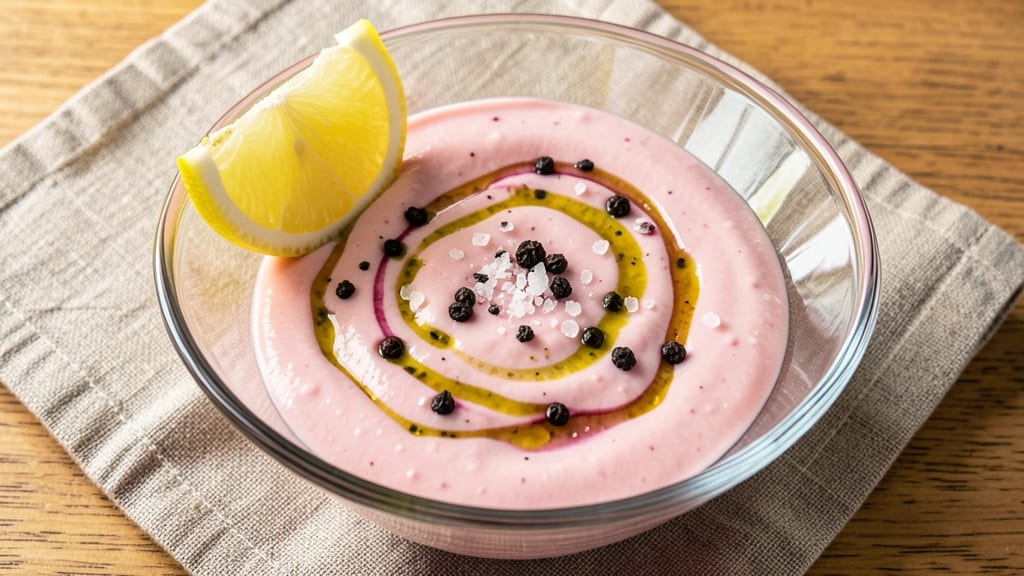
A blush wine salad dressing recipe transforms ordinary greens into a vibrant, restaurant-worthy dish with just a few simple ingredients. The delicate rosé hue and subtle fruitiness from blush wine elevate basic vinaigrettes, creating a dressing that's light yet deeply flavorful.
This recipe balances acidity and richness perfectly, making it ideal for spring and summer salads where you want bold flavor without heaviness.
The secret lies in the emulsification—using a touch of Dijon mustard and a splash of lemon juice creates a stable dressing that won't separate, even after sitting for hours. Ready in just 5 minutes, this dressing requires no special equipment beyond a whisk or small jar.
The blush wine adds a sophisticated touch that pairs beautifully with fresh greens, grilled vegetables, or even as a marinade for chicken.
What makes this dressing truly special is its versatility. Use it on mixed greens with berries, drizzle over roasted asparagus, or even toss with pasta for a light, refreshing meal.
The subtle sweetness of the wine complements tangy vinegar and herbal notes, creating a harmonious blend that enhances rather than overpowers your dish.
For extra depth, add fresh herbs like basil or thyme, or a pinch of honey for a touch of sweetness. Store in an airtight container in the refrigerator for up to a week, shaking gently before each use.
This dressing is the perfect way to bring a touch of elegance to everyday meals without the fuss.
Ingredients for blush wine salad dressing
Just nine ingredients transform simple greens into elegant, restaurant-quality salads with rosé sophistication.
| Ingredient | Amount | Notes |
|---|---|---|
| Dry Blush Wine 🍷 | ½ cup | Dry rosé or white wine works |
| Extra-Virgin Olive Oil 🫒 | ½ cup | Light fruity variety preferred |
| Red Wine Vinegar 🍶 | 2 tbsp | Balsamic adds sweetness if desired |
| Dijon Mustard 🌶️ | 1 tbsp | For proper emulsification |
| Fresh Lemon Juice 🍋 | 1 tbsp | Freshly squeezed preferred |
| Granulated Sugar 🍚 | 1 tsp | Adjust to taste for sweetness |
| Diamond Crystal Kosher Salt 🧂 | ½ tsp | Fine grain preferred |
| Fresh Basil Leaves 🌿 | ¼ cup | Chopped, stems removed |
| Garlic Cloves 🧄 | 1 clove | Minced for subtle flavor |
The blush wine is the star—Trader Joe's or Whole Foods carry excellent dry rosés under $10. Look for labels indicating 'dry' or 'sec' to avoid sweetness. Extra-virgin olive oil should be fruity and peppery; California-grown brands like Corto or Colavita work beautifully. Fresh basil and garlic elevate the dressing, so grab them from the grocery store's produce section—bright green leaves and firm cloves are key indicators of freshness. For the vinegar, Bragg or Annie's are reliable brands that add depth without overpowering.
No blush wine? Dry white wine or extra virgin olive oil can substitute at the same amount, though rosé's unique profile is ideal. Swap Dijon mustard for whole-grain if preferred, but the emulsification suffers without its tang. Fresh lemon juice is non-negotiable—bottled versions lack brightness. For sweetness, honey or agave can replace sugar at a 1:1 ratio. The garlic can be omitted if you dislike its flavor, but it adds a subtle complexity that complements the wine. If you're making this ahead, store the wine and vinegar separately until ready to emulsify—this prevents oxidation and keeps flavors vibrant.
This dressing keeps beautifully in an airtight glass jar in the fridge for up to 1 week, though flavors peak within 3-4 days. Shake gently before each use to redistribute the oil. For longer storage, freeze in ice cube trays—thaw and shake to re-emulsify. The basil and garlic can be prepped ahead and stored in the fridge for 2 days, but freshness fades quickly. Double the recipe if you're using it for a crowd—it disappears fast on fresh salads or grilled vegetables.
Why You'll Love This Recipe
- Five-Ingredient Magic: I swear by this lineup—just wine, oil, vinegar, mustard, and lemon. No fancy gadgets, no measuring cups (okay, fine, maybe one), and it’s done before the kettle boils. The blush wine adds depth without overpowering, while the lemon keeps it bright and tangy.
- Bright & Balanced: That first sip of dressing? It’s like a glass of wine but better—smooth, slightly sweet, with a kick of acidity from the vinegar and lemon. The Dijon mustard ties it all together, giving it just enough tooth to cut through greens or grilled veggies.
- Weeknight Workhorse: I use this on everything—salads, roasted chicken, even as a marinade for shrimp. It’s my go-to for quick lunches or last-minute dinner sides. Honestly, I’ve never met a dish it didn’t improve.
- Makes Leftovers Worth It: The best part? You’ll have extra. Store it in the fridge for up to a week, and it only gets better as the flavors meld. Drizzle it on takeout stir-fry, toss it with cold pasta, or even use it as a dip—no waste, all flavor.
Step-by-step instructions for blush wine salad dressing
A bright, balanced dressing that elevates any green salad with delicate rosé notes.
Whisk Together the Liquid Base
In a medium bowl, combine the 0.5 cup dry blush wine with the 0.5 cup extra-virgin olive oil. Whisk vigorously for 30 seconds to begin emulsifying the oil into the wine. The wine should start to take on a pale pink hue, indicating the oil is beginning to integrate.
Next, add the 2 tablespoons red wine vinegar and 1 tablespoon fresh lemon juice. Continue whisking for another 20 seconds until these acidic components are fully incorporated. The mixture should smell vibrant and slightly tart—this is your flavor foundation. If you notice the oil separating slightly, don't worry; we'll address that in the next step.
Incorporate the Mustard and Sweetener
Add the 1 tablespoon Dijon mustard to the bowl and whisk continuously for 45 seconds until completely smooth. The mustard acts as an emulsifier, helping to bind the oil and wine into a stable dressing. You'll see the mixture thicken slightly as the mustard activates.
Add the 1 teaspoon granulated sugar and 0.5 teaspoon Diamond Crystal kosher salt, whisking for another 15 seconds until fully dissolved. The sugar balances the acidity while the salt enhances all flavors. Taste the mixture at this stage—it should be pleasantly tart with a touch of sweetness and a hint of wine complexity.
Add Aromatics and Final Emulsification
Finely mince the 1 clove garlic and add it to the bowl along with the 0.25 cup chopped fresh basil leaves. Whisk gently for 30 seconds, just enough to distribute the herbs and garlic without overworking the mixture. The basil should infuse the dressing with its fresh, slightly peppery notes, while the garlic adds subtle depth.
Transfer the dressing to a clean jar with a tight-sealing lid. Shake vigorously for 20 seconds to ensure everything is fully combined. The dressing should now have a smooth, velvety texture with no visible oil separation. If it does separate slightly, simply shake again before using—this is normal and will resolve when the dressing sits for a few minutes.
Rest and Adjust for Perfect Consistency
Let the dressing rest at room temperature for 10-15 minutes. This resting period allows the flavors to meld and the emulsification to stabilize. After resting, give the jar another good shake and taste the dressing again. If it needs more brightness, add a splash of lemon juice; if it needs more body, whisk in a teaspoon of olive oil.
The dressing should now coat the back of a spoon with a silky, even consistency. It should taste harmoniously balanced—bright from the wine and vinegar, rich from the olive oil, and fresh from the basil and garlic. This dressing pairs beautifully with mixed greens, arugula, or even grilled vegetables, adding a sophisticated touch without overpowering delicate flavors.
Pro Tips For Making Blush Wine Salad Dressing
- Reduce the Wine First: Simmer the blush wine for 2-3 minutes before mixing—it cuts the alcohol bite and deepens the flavor. I used to skip this, but now I swear by it for a smoother, more balanced dressing.
- Whisk Mustard Slowly: Add the Dijon mustard to the vinegar first, then slowly drizzle in the olive oil while whisking constantly. This prevents lumps like nothing else, and trust me, you’ll notice the difference.
- Use Aged Vinegar: Skip the cheap red wine vinegar—aged vinegar (like 1-2 years old) adds complexity without overpowering. It’s worth the splurge for a dressing that doesn’t taste like pure acid.
- Lemon Last, Always: Add the fresh lemon juice right before serving—it brightens the dressing but fades fast. If you mix it in early, you’ll end up with a dressing that tastes flat and dull by dinnertime.
Flavor customization for this recipe
Herbal Infusions
Swap the basil for fresh thyme or rosemary to create an herbal twist that pairs beautifully with roasted lamb or Mediterranean dishes. Use 1 tbsp chopped thyme or 2 sprigs rosemary (finely chopped) instead of basil—both add earthy depth that complements the wine's fruitiness.
For a citrusy herbal touch, try 1 tbsp chopped mint with ½ tsp grated lemon zest for a refreshing summer salad dressing. 🌿
Citrus Brighteners
Add 1 tbsp freshly grated orange zest or ½ tsp ground ginger to intensify the dressing's brightness, especially for Asian-inspired salads. The zest enhances the wine's fruitiness while ginger adds a subtle warmth that cuts through rich flavors.
For a tropical variation, blend in 1 tbsp finely diced cucumber and ½ tsp lime juice—this works wonderfully with shrimp or mango salads. Balance with an extra pinch of salt if needed.
Spicy Kicks
For heat lovers, stir in ½ tsp red pepper flakes or 1 tsp finely chopped jalapeño (seeds removed) for a smoky-spicy profile. The heat contrasts beautifully with the wine's cool acidity, making it perfect for spicy grilled meats or hearty grain bowls.
For a smoky depth, add ½ tsp smoked paprika alongside the red pepper flakes—this adds complexity without overpowering the delicate rosé notes.
Sweet Variations
Boost sweetness with 1 tsp honey or ½ tsp maple syrup for a dessert-like dressing that pairs surprisingly well with fruit salads or grilled peaches. For a caramelized touch, reduce 2 tbsp balsamic vinegar to a glaze and whisk it into the dressing—this adds a rich, syrupy depth.
Balance with an extra splash of lemon juice if the sweetness becomes overwhelming.
Savory Umami Boosters
Enhance depth with 1 tsp soy sauce or ½ tsp Worcestershire sauce for an umami-rich dressing that works beautifully with Asian-inspired dishes. The soy sauce adds a salty, savory note that complements the wine's fruitiness, while Worcestershire introduces a tangy complexity.
For a vegetarian option, use 1 tsp miso paste (whisked in at the end) for a creamy, fermented umami kick.
Seasonal Adjustments
In winter, add ½ tsp ground cinnamon or ¼ tsp nutmeg for warmth—this dressing becomes a cozy companion for roasted squash or winter greens.
For spring, lighten it with 1 tbsp apple cider vinegar and ½ tsp fresh dill, creating a bright, herbaceous dressing perfect for asparagus or pea salads. Summer calls for extra lemon juice and a pinch of chili powder to keep it refreshing and vibrant. 🌸
Nutrition facts
Frequently asked questions
Can I use white wine instead of blush wine in this dressing?
Yes, you can substitute dry white wine in a 1:1 ratio, but the flavor will be slightly less fruity and complex. For best results, choose a crisp white like Sauvignon Blanc or Pinot Grigio. The blush wine's delicate rosé notes add a unique touch that's hard to replicate with other wines.
Why did my dressing separate? How can I fix it?
Separation happens when oil and liquid components aren't properly emulsified. Shake the jar vigorously for 30 seconds before using—this will temporarily re-combine the ingredients. For a permanent fix, whisk in ½ teaspoon Dijon mustard or a splash of lemon juice to help stabilize the mixture.
How long will this dressing keep in the fridge?
This dressing stays fresh for up to 1 week when stored in an airtight glass jar in the refrigerator. For best flavor, use it within 3-4 days. If it separates, simply shake before using. Avoid metal spoons to prevent oxidation that can alter the wine's taste.
What are the best salads to pair with this dressing?
This dressing shines on spring greens, arugula, and mixed berry salads. It also works beautifully with grilled vegetables, chicken salads, or even as a marinade for shrimp. The subtle sweetness and acidity complement both delicate and hearty dishes equally well.
Can I make this dressing without mustard?
While possible, the mustard is crucial for proper emulsification. As an alternative, try 1 tablespoon plain yogurt or ½ teaspoon xanthan gum (a pinch). Without an emulsifier, the dressing may separate more easily, so shake well before each use.