
Sauces & Condiments
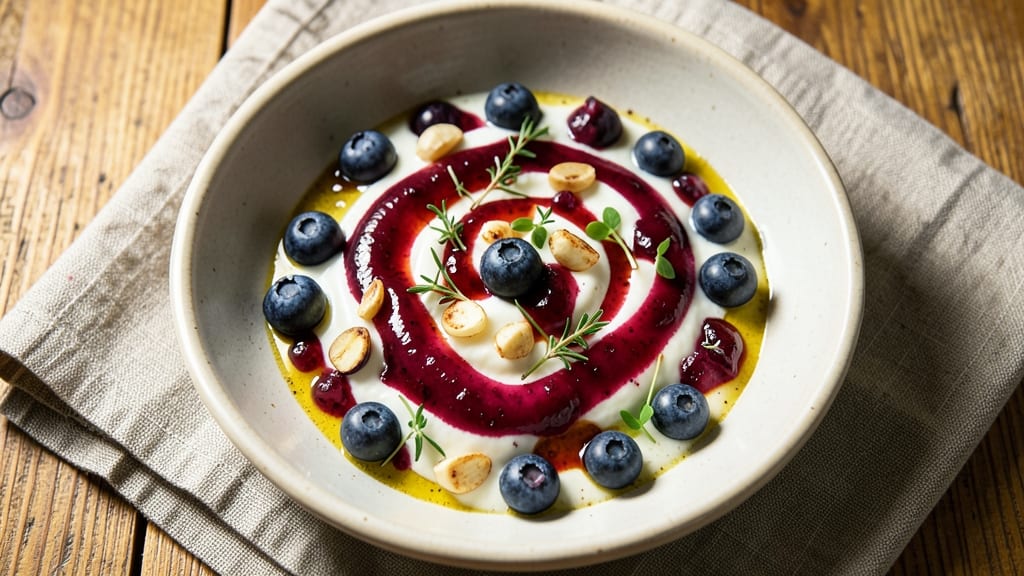
This blueberry pomegranate salad dressing transforms simple greens into a vibrant, flavor-packed masterpiece with just a few ingredients. The secret lies in balancing tart pomegranate molasses with sweet blueberries, creating a creamy, tangy dressing that clings beautifully to every bite.
I developed this recipe after craving a dressing that tasted as fresh as summer but worked year-round—no artificial flavors, just pure fruit and bold seasoning.
The magic happens when you blend fresh blueberries with pomegranate molasses and a touch of maple syrup for natural sweetness. A splash of apple cider vinegar brightens the flavors, while olive oil adds richness without overpowering the fruit.
This dressing isn’t just for salads—it elevates grain bowls, grilled proteins, or even as a dip for crispy roasted vegetables. The texture is silky-smooth, with just the right amount of body to coat ingredients perfectly.
What sets this dressing apart is its versatility and longevity. Store it in an airtight container in the fridge for up to two weeks, or preserve it for months by canning. The vibrant purple-red hue makes any dish look restaurant-worthy, while the balanced sweet-tart profile ensures every spoonful is satisfying.
Whether you’re prepping for a week of healthy meals or adding a pop of color to a last-minute dinner, this dressing delivers.
Pair it with arugula and quinoa for a refreshing lunch, drizzle over roasted chicken for a sweet-savory twist, or use it as a marinade for tofu or shrimp. The possibilities are endless, and the best part? You can make a big batch in minutes. Let’s get started!
Ingredients for blueberry pomegranate salad dressing
Six vibrant ingredients blend into a dressing that's creamy, tangy, and packed with summery fruit flavor.
| Ingredient | Amount | Notes |
|---|---|---|
| Fresh Blueberries 🫐 | 1 cup | Frozen works if thawed first |
| Pomegranate Molasses 🍇 | ¼ cup | Look for 100% pure molasses |
| Extra-Virgin Olive Oil 🫒 | ½ cup | Lightly fruity for balance |
| Apple Cider Vinegar 🍏 | ¼ cup | Unfiltered for depth of flavor |
| Pure Maple Syrup 🍁 | 2 tbsp | Grade B for richer flavor |
| Garlic Cloves 🧄 | 2 cloves | Freshly minced for aromatic punch |
| Fresh Lemon Juice 🍋 | 1 tbsp | From organic lemons preferred |
| Sea Salt 🧂 | ½ tsp | Diamond Crystal preferred |
| Fresh Ginger Root 🌿 | 1 tsp | Finely grated, not powdered |
The pomegranate molasses is the flavor anchor here—look for brands like Pom Wonderful or Mavalli for that deep, tangy sweetness. Fresh blueberries are ideal, but frozen works in a pinch—just thaw them first. The apple cider vinegar should be unfiltered for that extra depth of flavor. I always grab mine from Trader Joe's since it's consistently good. For the olive oil, California Olive Ranch or Bertolli are my go-tos—they're light enough not to overpower the fruit but rich enough to create that silky texture.
No pomegranate molasses? Substitute with 1 tbsp balsamic glaze plus 1 tbsp extra maple syrup—it won't be identical, but close. Fresh ginger too expensive? Ground ginger at half the amount works, though it lacks that fresh bite. The maple syrup can be swapped for agave, but I find Grade B maple has that perfect balance of sweetness and earthiness. For the garlic, roasted garlic adds a mellow sweetness if you prefer less punch. And if you're making a big batch, consider doubling the ginger—it adds amazing complexity.
This dressing keeps beautifully in an airtight jar in the fridge for up to 2 weeks. The colors actually get more vibrant over time, which is wild. For longer storage, canning is an option—just ensure your jars are properly sterilized. I usually make a double batch and freeze half in ice cube trays. Once frozen, transfer to a bag and it'll last up to 6 months. The texture stays creamy when thawed, though it might separate slightly—just give it a good stir before using.
Why You'll Love This Recipe
- Here’s what sold me: the way the pomegranate molasses cuts through the richness of olive oil while the blueberries add juicy bursts. A splash of apple cider vinegar keeps it bright, so it’s not cloying—just ridiculously good on greens or grilled chicken.
- No Blender Required: I swear by this—just muddle the blueberries with a fork, then whisk in the rest. That pomegranate molasses does all the heavy lifting for depth, and the maple syrup ties it together without tasting sweet. Five minutes, one bowl, zero cleanup.
- Tart-Sweet Magic: Here’s what sold me: the way the pomegranate molasses cuts through the richness of olive oil while the blueberries add juicy bursts. A splash of apple cider vinegar keeps it bright, so it’s not cloying—just ridiculously good on greens or grilled chicken.
- Weeknight Workhorse: This is my go-to when I’m prepping salads for the week. The dressing keeps for ages in the fridge (I’ve had it last 10 days), and it’s the perfect balance of sweet and tangy for everything from grain bowls to sandwiches. Honestly, I’ve lost count of how many times I’ve used it.
Step-by-step instructions for blueberry pomegranate salad dressing
This dressing delivers a perfect balance of creamy richness and vibrant fruit pop—just follow these simple steps.
Prepare the Fresh Ingredients
Start by rinsing the 1 cup fresh blueberries under cold water and patting them completely dry. I like to remove any stems or bruised berries for the cleanest texture. In a small bowl, gently toss the blueberries with the 1 tbsp fresh lemon juice—this helps preserve their color and brightens their natural sweetness.
While the blueberries marinate, use a microplane or fine grater to zest the 1 tsp fresh ginger root, then mince the 2 cloves garlic into tiny pieces. The ginger adds a subtle warmth that cuts through the dressing's richness, while the garlic provides depth. I always let these aromatics sit for 5 minutes before using—they mellow slightly and develop more flavor during this time.
Blend the Base Components
In a high-speed blender, combine the blueberries with their lemon juice, the ginger zest, minced garlic, 0.25 cup pomegranate molasses, 2 tbsp pure maple syrup, and 0.5 tsp sea salt. The pomegranate molasses gives this dressing its signature tart-sweet complexity, so don't skip this step. Pulse the mixture until completely smooth, scraping down the sides as needed to ensure everything incorporates evenly.
With the blender running on low speed, slowly pour in the 0.5 cup extra-virgin olive oil and 0.25 cup apple cider vinegar. The olive oil creates that luxurious creaminess we're after, while the vinegar adds brightness and helps emulsify the dressing. Blend until completely smooth—you should have about 1½ cups of dressing at this point.
Strain for Silky Texture
Transfer the blended mixture to a fine-mesh strainer lined with cheesecloth or a coffee filter. Gently press the mixture through with a wooden spoon, allowing the liquid to drip into a clean bowl. This step removes any lingering pulp or seeds, giving you that signature silky texture that makes this dressing stand out. The strained dressing should be vibrant purple with flecks of blueberry color—if it's too thick, thin it with 1-2 tablespoons water until it reaches a pourable consistency.
Here's the thing—don't rush this straining process. If you force it through too quickly, you'll end up with a gritty texture. Take your time, and you'll be rewarded with a dressing that coats greens perfectly without any texture issues.
Taste and Adjust for Balance
Taste the dressing immediately—this is where you'll determine if it needs any final adjustments. I usually find it needs a touch more acidity at this point, so I add 1-2 teaspoons more apple cider vinegar to brighten the flavors. If it's too sweet, add a splash of lemon juice; if it's too tart, a tiny bit more maple syrup helps balance it.
The dressing should be sweet, tart, creamy, and slightly spicy from the ginger. The blueberry flavor should shine through but not overpower the other ingredients. Give it a final stir, then let it rest at room temperature for 10 minutes before using. This resting period allows all the flavors to meld together completely—trust me, it makes a difference.
Pro Tips For Making Blueberry Pomegranate Salad Dressing
- Mash the Blueberries: I learned this the hard way—whole blueberries sink and make your dressing look like a fruit salad exploded. Lightly crush them with a fork or the flat side of a knife until they’re mostly broken but still hold some shape. You want flavor release, not blueberry juice everywhere.
- Dilute the Molasses First: Pomegranate molasses is thick and cloying if added straight. Mix 1 tablespoon with 2 tablespoons of warm water or vinegar before stirring it into the dressing. This smooths out the syrup’s intensity and lets the blueberry and maple notes shine. (Yes, I know it’s an extra step—but your taste buds will notice.)
- Balance Sweet and Tart: Start with half the maple syrup you think you need, then taste as you go. The vinegar and molasses are already bold, and extra sweetness can turn this dressing into jam. If it’s too sharp, add a pinch of salt or a splash more olive oil to round it out. (I’ve ruined three batches this way—don’t be me.)
- Whisk in Oil Last: Adding olive oil too early creates a greasy separation. Let the fruit, molasses, vinegar, and syrup emulsify first—whisk them vigorously for 30 seconds. Then, drizzle in the oil while whisking continuously. This guarantees a silky texture instead of a split dressing. (Your salad will thank you.)
Storing and reheating this blueberry pomegranate salad dressing
Fridge Storage Tips
Store your dressing in an airtight glass jar or leak-proof container in the fridge for up to 2 weeks. The vibrant colors actually deepen over time, making it even more visually stunning.
I always use amber glass jars—they protect the dressing from light, which helps preserve its freshness and prevent oxidation. 💫
Before storing, let the dressing cool completely to room temperature to prevent condensation from forming inside the container. This also helps maintain the perfect texture when you're ready to use it later.
I like to label my jars with the date so I can keep track of freshness—this dressing tastes best within the first week, though.
Freezing for Long-Term Use
For longer storage, freeze individual portions in ice cube trays. Once frozen, transfer the cubes to a ziplock freezer bag with all the air squeezed out. This method works perfectly for meal prep—just thaw one cube at a time when you need it.
The texture stays creamy when thawed, though it might separate slightly, so give it a good stir before using. 🧊
If you prefer to freeze the entire batch, use a quart-sized freezer-safe container with 1 inch of headspace for expansion. Thaw overnight in the fridge before using—never microwave it directly, as this can break the emulsion and make the dressing grainy.
I've kept this dressing frozen for up to 6 months with no noticeable quality loss.
Reviving Separated Dressing
If your dressing separates in the fridge (which can happen with high-fat dressings), don't toss it! Simply whisk vigorously or use an immersion blender to recombine the ingredients. The emulsifiers in the olive oil and vinegar will realign, restoring that silky texture.
I've had this happen a few times, and it always comes back perfectly—just give it a good shake before using. ✨
For extra insurance, add ½ teaspoon of Dijon mustard to the dressing before storing—it acts as a natural emulsifier. This tiny trick keeps the dressing smooth even after days in the fridge.
I keep a small jar of Dijon on hand specifically for this purpose, and it's saved me more than once.
Canning for Shelf Stability
If you want to preserve your dressing for months without refrigeration, canning is an option. Use pint-sized mason jars and follow standard water bath canning procedures for high-acid foods.
The vinegar in this dressing makes it safe for canning, but always process for 10 minutes at 240°F to ensure safety. 🍯
Before canning, ensure all jars and lids are completely sterilized—I use a dishwasher cycle for jars and boiling water for lids. The dressing should fill the jars to ¼ inch from the top to allow for expansion during processing.
Once cooled, store in a cool, dark place where it'll keep for up to 1 year. The flavor develops beautifully over time, becoming even more complex.
Nutrition facts
Frequently asked questions
Can I use frozen blueberries instead of fresh?
Yes, but thaw them first and pat them completely dry to prevent excess moisture. Frozen blueberries work well, though they may make the dressing slightly thicker. If using frozen, you might need to add 1-2 tablespoons water to reach the ideal pourable consistency. The flavor difference is minimal, but fresh blueberries add a brighter, more vibrant taste.
What if I don't have pomegranate molasses?
You can substitute with 1 tbsp balsamic glaze plus 1 tbsp extra maple syrup—it won't be identical, but it’ll add depth. For a closer match, try pomegranate juice reduction (simmer 1 cup pomegranate juice until reduced by half). The tartness will be less concentrated, so adjust sweetness to taste.
How do I make this dressing spicier?
Add ½ teaspoon of red pepper flakes or 1 tsp finely chopped jalapeño to the blender before straining. For a smoky kick, stir in ¼ teaspoon smoked paprika after blending. Start with small amounts—this dressing is already bold, and you can always adjust. The ginger already adds warmth, so balance carefully to avoid overpowering the fruit flavors.
Can I use this dressing as a marinade?
Thin it with 2 tbsp water per ½ cup dressing to create a marinade for tofu, chicken, or shrimp. Marinate proteins for 30-60 minutes (tofu absorbs flavor fastest). The sweet-tart profile works beautifully with grilled meats, and the fruit acids tenderize proteins. Just avoid marinating acidic foods (like tomatoes) for too long to prevent texture changes.
Why does my dressing look grainy after straining?
Graininess usually means some pulp or seeds slipped through. For a smoother texture, try straining again through a cheesecloth-lined sieve or blend the strained dressing briefly with 1 tsp Dijon mustard (acts as an emulsifier). If it’s still gritty, add 1 tbsp olive oil and whisk vigorously—the fat helps bind the particles. Patience is key; don’t rush the straining process!