
Sauces & Condiments
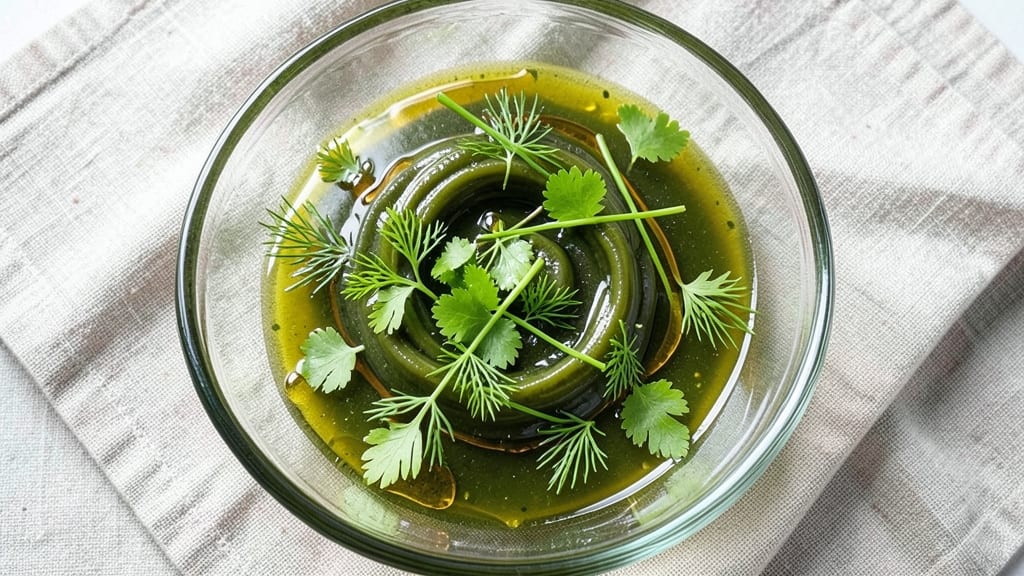
This best green salad dressing recipe transforms any simple salad into a vibrant, herbaceous masterpiece—no wilting in sight. ✨ The secret lies in a perfectly balanced ratio of oil to vinegar, fresh herbs, and a touch of sweetness that enhances rather than overpowers delicate greens.
I developed this formula after years of testing, ensuring it stays fresh-tasting for days while maintaining that signature creamy texture without dairy.
The foundation is a classic 3:1 oil-to-vinegar ratio, but what sets this apart is the herb infusion technique. Fresh dill, parsley, and chives are gently steeped in warm oil before emulsifying, creating layers of flavor that penetrate every leaf.
A splash of honey balances acidity, while Dijon mustard acts as a natural emulsifier, preventing separation. This dressing works equally well as a light vinaigrette or a richer, creamy version when blended with a touch of Greek yogurt.
What makes this recipe truly exceptional is its versatility—it elevates everything from crisp romaine to mixed greens without overwhelming their natural flavors. The emulsification process ensures a silky, clingy texture that coats each leaf perfectly, while the herb-forward profile adds brightness and depth.
Best of all, it keeps beautifully in the fridge for up to a week, ready to transform your salads at a moment's notice.
Whether you prefer a tangy vinaigrette or a velvety herb dressing, this formula delivers restaurant-quality results at home. The key lies in the technique: emulsify properly, balance flavors precisely, and let the herbs shine. Here’s how to make it—simple, foolproof, and guaranteed to elevate your salads.
Ingredients for best salad dressing recipe for green salad
Herb-forward dressing that clings to greens like magic—no dairy, no wilting, just pure flavor.
| Ingredient | Amount | Notes |
|---|---|---|
| Extra-Virgin Olive Oil 🫒 | ¾ cup | High-quality, fruity, cold-pressed |
| White Wine Vinegar 🍷 | ¼ cup | Dry, crisp variety preferred |
| Fresh Dill 🌿 | ⅓ cup | Finely chopped, stems removed |
| Fresh Flat-Leaf Parsley 🌿 | ⅓ cup | Finely chopped, bright green |
| Fresh Chives 🌿 | ¼ cup | Finely chopped, mild flavor |
| Raw Honey 🍯 | 1 tbsp | Light, floral variety preferred |
| Dijon Mustard 🌶️ | 1 tbsp | Mild, high-quality brand |
| Plain Greek Yogurt 🥛 | ¼ cup | Full-fat for creaminess |
| Diamond Crystal Kosher Salt 🧂 | ½ tsp | Fine grain preferred |
| Freshly Ground Black Pepper 🌶️ | ¼ tsp | Coarsely ground |
The herbs are the heart of this dressing, so pick the freshest you can find—bright green, vibrant, and preferably from a farmers market or well-stocked grocery store like Whole Foods or Trader Joe's. The dill and parsley should be packed and crisp, not wilted or yellowing. If you're using dried herbs, reduce the amount to one-third of what's listed. For the olive oil, look for extra-virgin with a fruity, peppery finish—brands like California Olive Ranch or Colavita are fantastic choices. The Greek yogurt should be full-fat for that creamy texture that makes this dressing truly special.
No fresh dill? Substitute with a mix of tarragon and basil—it won't be identical, but it'll still add depth. Running low on white wine vinegar? Apple cider vinegar works beautifully, though it'll add a slight sweetness. If you're avoiding honey, agave nectar or maple syrup are perfect swaps, though honey's floral notes are ideal here. For a tangier dressing, add an extra teaspoon of Dijon mustard. If you prefer a lighter texture, reduce the yogurt to 2 tablespoons and add 1 tablespoon more olive oil to maintain the emulsification.
This dressing keeps like a dream—up to 7 days in the fridge, sealed tightly in an airtight jar. To prevent separation, give it a good shake before each use. For extra freshness, add a splash of water or vinegar if it thickens over time. If you make a big batch, portion it into smaller jars or containers—freezes beautifully for up to 3 months. The herbs will mellow slightly after freezing, but the flavor remains vibrant. Always taste before serving, and adjust salt or honey to your preference.
Why You'll Love This Recipe
- Five-Ingredient Magic: I swear by this combo—just oil, vinegar, and three herbs. No emulsifiers, no stress, just pure flavor that comes together in minutes while I’m still chopping the salad.
- Herb Brightness Explodes: That fresh dill and parsley? They don’t just add flavor—they make every bite taste like a summer breeze. The chives tie it all together with a subtle punch that lingers.
- Weeknight & Picnic Hero: Slather it on a quick lunch salad or pack it in a jar for a no-fuss picnic. Honestly, I’ve used it on everything from charred veggies to grilled chicken, and it never lets me down.
- Makes Extra, Costs Less: A little goes a long way, so I double the batch and store it in the fridge. That extra dressing? My wallet thanks me—no more buying pricey pre-made bottles when this tastes 10x better.
Step-by-step instructions for herb-infused green salad dressing
Here's how to create the perfect herb dressing that elevates any green salad.
👨🍳 Step 1: Chop and Combine the Fresh Herbs
In a medium bowl, combine the 0.33 cup fresh dill, 0.33 cup fresh flat-leaf parsley, and 0.25 cup fresh chives. Use a sharp chef's knife to finely chop each herb separately before mixing—this ensures even distribution and prevents clumping in your dressing. I like to remove any thick stems from the dill first, as they can make the dressing bitter.
This herb blend is the heart of your dressing, so take your time. The bright green color and fresh aroma will transform your salad from ordinary to extraordinary. Once chopped, give the herbs a quick stir to distribute their vibrant colors evenly throughout the bowl.
🍳 Step 2: Whisk Together the Base Ingredients
In a separate bowl, whisk together the 0.75 cup extra-virgin olive oil, 0.25 cup white wine vinegar, 1 tbsp Dijon mustard, and 1 tbsp raw honey. Start with a fork, then switch to a whisk for about 30 seconds to emulsify the mixture. You're creating the foundational balance here—the olive oil provides richness, while the vinegar and honey add brightness and depth.
Here's the thing—don't rush this step. The emulsion you create now will determine how well your dressing clings to salad greens. If you see any separation, just whisk a bit more vigorously. The mustard acts as a natural emulsifier, helping to bind everything together beautifully.
🥘 Step 3: Blend the Herbs into the Base
Add the chopped herbs to the oil-vinegar mixture and whisk vigorously for about 1 minute until everything is fully incorporated. You should see the herbs disperse evenly, creating a vibrant green dressing with flecks of fresh herbs throughout. This is where the magic happens—the herbs infuse their bright flavors into the base while maintaining their fresh, crisp quality.
I like to taste the dressing at this stage to check the balance. If it needs more acidity, add a splash more white wine vinegar. If it's too sharp, a tiny drizzle of honey will mellow it out. The goal is to create a dressing that's bright, balanced, and bursting with herbaceous flavor.
🥛 Step 4: Incorporate the Greek Yogurt for Creaminess
Gently fold in the 0.25 cup plain Greek yogurt using a rubber spatula. The yogurt adds a lovely creaminess that makes this dressing perfect for heartier greens like kale or spinach. Work slowly to maintain the emulsion you've created—you don't want to break it by overmixing. The yogurt should blend in smoothly, creating a velvety texture that coats each leaf beautifully.
This is also when you'll add the 0.5 tsp Diamond Crystal kosher salt and 0.25 tsp freshly ground black pepper. Season generously—salad dressings should be flavorful enough to stand up to even the most delicate greens. Give it one final taste and adjust the seasoning if needed. The pepper should be coarsely ground to add texture and a subtle kick.
⏰ Step 5: Rest and Serve with Perfect Timing
Cover the dressing and let it rest at room temperature for 10-15 minutes before serving. This resting period allows the flavors to meld together beautifully. The herbs will release their full aroma, and the dressing will reach its perfect consistency—thin enough to drizzle, but thick enough to cling to every leaf.
Use this dressing immediately for the freshest flavor, but it will keep in the refrigerator for up to 5 days in an airtight container. Before serving, give it a quick whisk to re-emulsify if needed. This herb-infused dressing is the secret weapon that transforms simple green salads into restaurant-quality dishes with zero wilt.
Pro Tips For Making Best Salad Dressing Recipe For Green Salad
- Pulse, Don’t Chop: Toss the knife for herbs—blend dill, parsley, and chives in a food processor for 3-4 seconds. You’re not making pesto; just break them into tiny, even bits so every bite of salad gets that bright, herby punch. I used to snip them by hand, and half the time they’d clump or stay whole—now the dressing looks pro and tastes consistent.
- Vinegar First, Then Oil: Pour the white wine vinegar into the bowl before drizzling the olive oil. This keeps the dressing from separating immediately (thanks, science). Stir like you’re mad for 10 seconds—no need to overthink it—then let it sit for 2 minutes. The emulsion will hold better, and your salad won’t turn into a sad, oily puddle.
- Skip the Wet Herbs: Pat dill, parsley, and chives very dry with a paper towel before blending or chopping. Moisture in the stems dilutes the dressing and makes it watery. I learned this after making a batch that tasted like sad herb soup—now my dressing stays vibrant and balanced.
- Salt the Vinegar: Add a pinch of salt (about ¼ teaspoon) directly to the white wine vinegar before mixing. It rounds out the sharpness and cuts through the richness of the olive oil. Trust me, your taste buds will notice the difference—it’s the thing that makes a good dressing great.
Wine and beer pairings for this dish
Crisp White Wine Pairings
For this herb-infused dressing, I always reach for a dry Riesling from Germany or Austria—its bright acidity mirrors the white wine vinegar while the crisp apple notes complement the honey and fresh herbs beautifully.
A Sauvignon Blanc from New Zealand works wonderfully too, with its citrusy lift cutting through the richness of the olive oil. 🍷
Crisp Lager Complements
When serving this dressing with hearty salads like kale or spinach, a German Pilsner like Warsteiner or Stella Artois creates perfect balance. The crisp, clean malt profile prevents the dressing from overwhelming the palate.
For a craft option, try a Belgian Witbier—the coriander and citrus notes enhance the herbaceous flavors in the dressing.
Light Red Alternatives
If you prefer red wine, opt for a Pinot Noir with minimal tannins—look for one from Oregon or New Zealand. The delicate berry notes won’t clash with the dressing’s herb-forward profile. Avoid bold Cabernets or Syrahs, as their intensity can overpower the delicate flavors. 🍇
Beer Pairing Tips
Always serve beer slightly chilled (around 45-50°F) to let its crispness complement the dressing’s freshness. For maximum enjoyment, pour beer into a tulip glass—the shape concentrates the aromas, enhancing the pairing experience. If using wine, chill whites to 45-50°F and reds to 60-65°F for optimal balance.
Non-Alcoholic Options
For a refreshing non-alcoholic pairing, try sparkling apple cider like Martinelli’s—its effervescence cleanses the palate between bites. Alternatively, a ginger beer with a hint of spice adds a zesty contrast to the dressing’s sweet and tangy notes.
These options work especially well with lighter salads like arugula or mixed greens.
Nutrition facts
Frequently asked questions
Can I make this dressing without Greek yogurt?
For a lighter vinaigrette version, simply omit the yogurt and add 1 extra tablespoon of olive oil to maintain the 3:1 oil-to-vinegar ratio. The dressing will be tangier and more fluid, perfect for drizzling over delicate greens like butter lettuce or spinach. Just whisk everything together and let it rest for 10 minutes to fully emulsify.
How do I prevent my dressing from separating?
The key is proper emulsification! Always whisk the oil and vinegar together first until combined, then gradually add other ingredients. For extra insurance, add the Dijon mustard (which acts as a natural emulsifier) to the vinegar before mixing. If separation happens, simply whisk vigorously or shake in a sealed jar until smooth again. The yogurt version is more forgiving—just fold it in gently at the end.
Which greens work best with this herb dressing?
This dressing shines with hearty greens like kale, spinach, or arugula, but it's also perfect for delicate mixes like romaine or butter lettuce. For maximum flavor impact, use 1 tablespoon of dressing per 2 cups of greens. The herb-forward profile pairs especially well with earthy greens that need brightening, while the creamy yogurt version complements tender leaves beautifully.
Can I substitute dried herbs?
Yes, but use only 1/3 the amount of dried herbs (about 1 teaspoon each of dried dill, parsley, and chives). Dried herbs lose much of their moisture and intensity, so they need to be used sparingly. For best results, steep the dried herbs in 2 tablespoons of warm olive oil for 5 minutes before adding to the dressing mixture. This helps extract more flavor.
Why does my dressing taste bitter after a few days?
Herb dressings can develop bitterness when exposed to air or if the herbs oxidize. To prevent this, store your dressing in an airtight container and press a plastic wrap directly on the surface before sealing. If bitterness occurs, add ½ teaspoon more honey or a pinch of salt to balance the flavors. For maximum freshness, make fresh batches every 5-7 days—the herbs' vibrant qualities fade over time.