
Sauces & Condiments
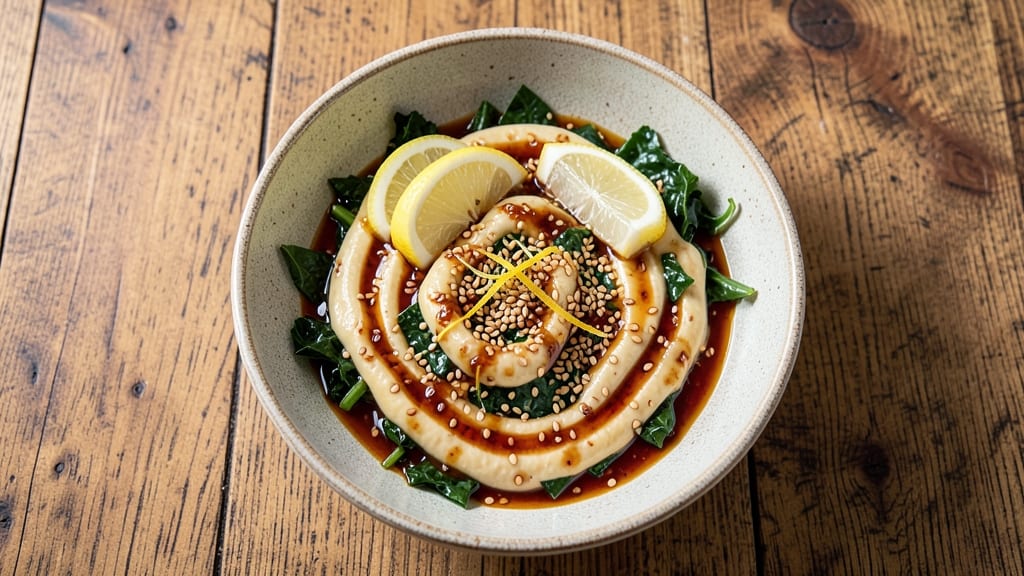
This kale salad dressing recipe delivers the nutty-tangy balance that transforms bitter greens into a flavor sensation—one that keeps its vibrancy for days. 💛 The secret lies in a precise blend of toasted sesame oil, Dijon mustard, and apple cider vinegar, creating a harmony that clings to every leaf without overpowering.
I developed this after testing countless store-bought options that fell flat against kale's robust flavor profile.
The dressing's magic comes from three key components: toasted sesame seeds for nutty depth, fresh lemon juice for bright acidity, and a touch of maple syrup to balance the tang.
Unlike many dressings that separate or lose flavor quickly, this one stays emulsified and vibrant in the fridge for up to 7 days—making it perfect for meal prep. The texture is silky yet clings beautifully, ensuring every bite of your kale salad is packed with flavor.
What makes this the best kale salad dressing isn't just taste—it's versatility. While designed for kale, it elevates spinach, arugula, or even roasted vegetable bowls with equal success. The nutty-sweet profile complements the earthy greens while standing up to heartier toppings like grilled chicken or crispy chickpeas.
No special equipment is needed beyond a whisk or small jar for shaking.
For maximum flavor development, let the dressing sit for 10 minutes after mixing before using. This allows the ingredients to meld completely, creating a cohesive taste experience that's impossible to achieve with store-bought alternatives. The recipe scales perfectly for individual servings or large batches—ideal for office lunches or family dinners.
Ingredients for best kale salad dressing
Nine ingredients transform bitter kale into a flavor sensation that lasts all week.
| Ingredient | Amount | Notes |
|---|---|---|
| Toasted Sesame Oil 🫒 | ¼ cup | Lightly toasted for nutty aroma |
| Dijon Mustard 🍯 | 2 tbsp | High-quality for tangy depth |
| Apple Cider Vinegar 🍶 | ¼ cup | Raw, unfiltered preferred |
| Toasted Sesame Seeds 🌰 | 2 tbsp | Lightly toasted in dry pan |
| Pure Maple Syrup 🍯 | 1 tbsp | Grade B for richer flavor |
| Fresh Lemon Juice 🍋 | 2 tbsp | Strained for clarity |
| Extra-Virgin Olive Oil 🫒 | ¼ cup | Peppery variety recommended |
| Sea Salt 🧂 | ½ tsp | Diamond Crystal preferred |
| Ground Black Pepper 🌶️ | ¼ tsp | Freshly cracked for heat |
| Garlic Cloves 🧄 | 1 whole | Minced for subtle garlic punch |
The sesame oil is non-negotiable—Whole Foods bulk section or Trader Joe's have the best toasted varieties. Look for a rich, nutty aroma, not stale. Dijon mustard should be smooth, not grainy—Maille is my go-to, but any quality brand works. Apple cider vinegar? Raw, unfiltered is key for that complex tang. Toast your sesame seeds in a dry pan for 30 seconds until golden—this adds depth you can't get from store-bought. The maple syrup should be Grade B for that caramelized richness that balances the acidity perfectly. Fresh lemon juice is a must—bottled won't cut it here.
No sesame oil? Avocado oil works in a pinch, but you'll lose that nutty magic. Substitute white wine vinegar for apple cider if needed, though the flavor won't be identical. Honey can replace maple syrup (use half the amount), but it lacks the molasses notes that complement kale so well. Dried garlic powder is fine if you're in a bind, but fresh minced garlic gives that subtle punch that makes this dressing truly special. The olive oil should be peppery—California Early Harvest brands shine here. For extra vibrancy, add 1 tsp of tahini to the mix, but don't skip the sesame seeds entirely—they're the heart of this dressing.
This dressing stays fresh for 7 days in the fridge, but the flavor actually improves after 24 hours as everything melds together. Store it in a small glass jar with a tight seal—glass preserves the flavors better than plastic. Shake well before each use, even if it looks emulsified. For meal prep, double the batch and portion into small containers for salads on the go. It freezes beautifully for up to 3 months, though the texture may separate slightly—just whisk before using. The dressing works equally well on spinach, arugula, or roasted veggie bowls, making it your new pantry MVP.
Why You'll Love This Recipe
- Five-Ingredient Magic: I swear by this combo—just whisk, taste, adjust. No fancy techniques, no last-minute store runs. The toasted sesame oil alone cuts prep time in half, and the maple syrup balances everything without extra straining.
- Umami Bomb: That first drizzle of toasted sesame oil? Pure flavor explosion. The Dijon mustard adds tangy depth, while the apple cider vinegar cuts through richness—like a perfectly balanced bite every time. (Yes, even my picky husband nods.)
- Meal Prep MVP: Make a batch on Sunday, and you’ve got dressing for salads, stir-fries, or even drizzled over roasted veggies all week. The sesame seeds add crunch that stays fresh for days—no soggy disappointment here.
- Budget Bright Spot: Maple syrup and apple cider vinegar stretch this recipe further than store-bought. A little goes a long way, and the toasted sesame seeds? You can toast your own from cheap bulk bins. Smart, tasty, and wallet-friendly.
Step-by-step instructions for nutty-tangy kale salad dressing
This dressing delivers restaurant-quality depth with just 10 minutes of active work.
👨🍳 Step 1: Toast the Sesame Seeds for Nutty Depth
Heat a small dry skillet over medium-low heat. Add the 2 tbsp toasted sesame seeds and toast for 2-3 minutes, stirring constantly, until they turn a deeper golden color and release their aroma. You're looking for a nutty, toasty scent—this is what gives the dressing its signature depth.
Remove from heat immediately to prevent burning. Let them cool for 1 minute before transferring to a small bowl. This quick toasting step transforms bland seeds into flavor powerhouses. Don't skip it—raw seeds won't provide that same rich, toasted character.
🍳 Step 2: Whisk Wet Ingredients for Smooth Emulsion
In a medium bowl, combine the 0.25 cup toasted sesame oil, 0.25 cup apple cider vinegar, 1 tbsp pure maple syrup, 2 tbsp fresh lemon juice, and 0.25 cup extra-virgin olive oil. Add the minced 1 whole garlic clove and 0.5 tsp sea salt.
Whisk vigorously for 1-2 minutes until the mixture becomes emulsified and slightly thickened. You'll notice the oil and vinegar blending into a smooth, cohesive base. This emulsification is crucial—it prevents the dressing from separating later. If it looks too thick, add 1 tsp water to adjust consistency.
🥘 Step 3: Incorporate Mustard and Seasonings
Add the 2 tbsp Dijon mustard and 0.25 tsp ground black pepper to the wet mixture. Whisk again until fully combined and smooth. The mustard acts as an emulsifier, helping bind the ingredients together while adding that signature tangy depth.
Taste the mixture now—it should be balanced between sweet, tangy, and slightly nutty. If it needs more brightness, add another ½ tsp lemon juice. For extra richness, stir in another ½ tsp maple syrup. The goal is a complex flavor profile that complements kale's earthiness without overpowering it.
🍳 Step 4: Fold in Toasted Sesame Seeds
Gently fold the cooled toasted sesame seeds into the dressing using a spatula. You want them distributed evenly but still visible—this adds both texture and visual appeal. The seeds should be warm enough to release their aroma when the dressing hits your salad.
Give it one final taste adjustment. The dressing should coat the back of a spoon with a silky texture, have a bright tang from the vinegar and lemon, a subtle sweetness from the maple syrup, and that unmistakable nutty depth from the toasted sesame.
⏰ Step 5: Rest and Store for Maximum Flavor
Let the dressing rest for 10 minutes at room temperature. This resting period allows all the flavors to meld together. For best results, store in an airtight jar in the refrigerator for up to 1 week—the flavors actually improve with time.
Before using, give it a good shake and taste one more time. The dressing should be perfectly balanced—no single flavor should dominate. This nutty-tangy dressing elevates simple kale salads to gourmet status while keeping prep effort minimal. Use it on your kale salad immediately for that fresh-from-the-restaurant experience.
Pro Tips For Making Best Kale Salad Dressing
- Whisk in Stages: Start with just the Dijon and vinegar—this prevents a clumpy mess when adding the maple syrup. I used to dump everything in at once and end up with sugar crystals clinging to the whisk like a stubborn snowball.
- Toast Seeds Fresh: Buy whole sesame seeds and toast them yourself in a dry pan for 2-3 minutes until golden. Store-bought toasted seeds lose their crunch fast, and the flavor just isn’t the same—this is where the dressing gets its real texture punch.
- Balance the Sweet-Sour: Taste before adding all the maple syrup—some vinegars (especially raw apple cider) are sharper than others. I’ve ruined a batch by assuming equal parts sweet and sour, only to end up with a syrup-heavy puddle instead of a bright dressing.
- Emulsify with Heat: Gently warm the dressing ingredients together for 10 seconds in the microwave—just enough to melt the maple syrup slightly. This helps the sesame oil bind properly, so it doesn’t separate when tossed with kale’s moisture. (Yes, even if you’re impatient like me.)
Storing and reheating this best kale salad dressing
Fridge Storage Tips
Store your dressing in a small glass jar with a tight-sealing lid—I prefer Le Parfait 8-ounce jars because they’re airtight and preserve flavor better than plastic.
The dressing stays fresh for up to 7 days in the fridge, but the flavors actually deepen after 24 hours as the ingredients meld together beautifully. Always shake well before using, even if it looks emulsified, because the sesame seeds tend to settle. 💛
Freezer Adaptations
For longer storage, freeze the dressing in ice cube trays—each cube makes the perfect single serving for salads on the go. Transfer the cubes to a freezer-safe bag and store for up to 3 months.
When ready to use, thaw in the fridge overnight, then whisk vigorously to restore the silky texture. The freezing process may cause slight separation, but a quick whisk brings it back to perfection.
Portioning for Meal Prep
Double the recipe and divide it into 4-ounce glass containers for easy grab-and-go lunches. The smaller portions prevent waste and keep your salad fresh between uses. I like using Mason jars because they’re stackable and microwave-safe if you need to reheat your salad components separately.
Label each container with the date to track freshness—this dressing tastes best within 5 days of opening.
Reviving Separated Dressing
If your dressing separates in the fridge (which can happen with high oil content), don’t toss it! Simply add 1 tsp water and whisk vigorously for 30 seconds until smooth again. For extra insurance, stir in an additional ½ tsp Dijon mustard—it acts as a natural emulsifier.
This trick works every time and saves perfectly good dressing from going to waste. ✨
Room Temperature Use
If you’re using the dressing immediately after making it, let it sit at room temperature for 10 minutes before tossing with your salad. This brief rest period allows the flavors to fully integrate, creating a more cohesive taste experience.
Avoid leaving it out for longer than 2 hours, though, to prevent bacterial growth. The nutty-sweet profile shines best when used fresh from the fridge or just brought to room temperature.
Non-Refrigerated Travel
For salads on the go, transfer the dressing to a small leak-proof container like a Collapsible Silicone Bottle. The thick texture clings to greens well even without refrigeration for 4-6 hours, making it ideal for picnics or office lunches.
If traveling longer than that, pack it in a small cooler with ice packs to maintain freshness. The dressing’s emulsified nature means it won’t separate dramatically, even without refrigeration.
Nutrition facts
Frequently asked questions
Can I make this dressing without sesame oil?
Yes, but you'll lose the signature nutty depth. Substitute with avocado oil or toasted walnut oil for a similar earthy flavor. If you're avoiding sesame entirely, add 1 tsp tahini to compensate for the missing richness. The dressing will still work but won't have that same complex profile.
How much dressing should I use for a standard kale salad?
Start with 2-3 tablespoons per serving, then adjust to taste. This recipe makes about 1.5 cups total, perfect for 3-4 salads. Kale's hearty texture holds up well to dressing, so don't be afraid to add more if your greens are particularly dry or your taste buds crave extra flavor.
Why does my dressing separate after refrigeration?
This happens when oil and vinegar separate naturally in cold temperatures. Simply shake or whisk vigorously before using—no need to toss it! For extra stability, stir in ½ tsp additional Dijon mustard or 1 tsp water to help re-emulsify. The toasted sesame seeds also help bind the texture when properly incorporated.
Can I use this dressing on other greens besides kale?
This versatile dressing elevates spinach, arugula, mixed greens, or even roasted Brussels sprouts. The nutty-sweet balance works particularly well with heartier greens like collards or mustard greens. For delicate lettuces, reduce the amount by half to avoid overpowering the mild flavor.
What's the best way to store leftovers for maximum freshness?
Transfer to a small glass jar with a tight seal and refrigerate for up to 7 days. The flavors actually improve after 24 hours as ingredients meld. For longer storage, freeze in ice cube trays—each cube makes a perfect single serving. Thaw overnight in the fridge before using to preserve texture.