
Sauces & Condiments
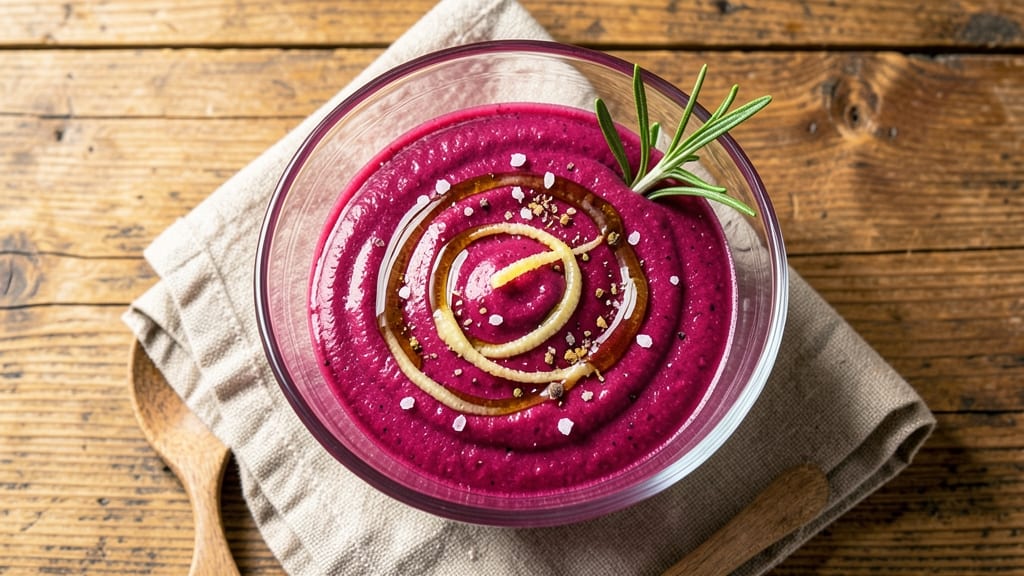
This beet juice salad dressing recipe transforms simple greens into a vibrant, earthy masterpiece with just five ingredients and a foolproof emulsification technique. The deep ruby swirl not only adds visual drama but brings a naturally sweet, slightly tangy depth that elevates any salad, grain bowl, or even roasted vegetables.
My version uses mustard as the secret binder—it stabilizes the emulsion perfectly while adding a subtle sharpness that cuts through the richness of beets.
The magic happens when raw beet juice meets olive oil and vinegar in the right proportions, creating a dressing that clings beautifully without separating. Unlike store-bought versions, this one delivers authentic beet flavor without artificial additives, and the mustard ensures it stays creamy for days.
What makes it truly versatile is its dual role as both a dressing and a marinade—toss it with grilled chicken or use it as a dip for crudités.
What you'll end up with is a dressing that's vibrant enough to make any dish look restaurant-worthy while tasting fresh and complex. The emulsification process is simple but critical: whisk vigorously to combine, then let it rest for 10 minutes before using.
This resting period allows flavors to meld and the emulsion to stabilize, ensuring every drizzle delivers that signature earthy sweetness.
Store it in an airtight container in the refrigerator for up to 5 days, where the flavors will deepen and intensify. The dressing works equally well on kale salads, grain bowls, or even as a glaze for roasted meats. Here's how to make it—simple, vibrant, and impossible to resist.
Ingredients for beet juice salad dressing
Five vibrant ingredients create a restaurant-worthy dressing with earthy depth and perfect emulsification.
| Ingredient | Amount | Notes |
|---|---|---|
| Raw Beet Juice 🍠 | ½ cup | Freshly extracted, vibrant red |
| Extra-Virgin Olive Oil 🫒 | ½ cup | High-quality, fruity variety |
| Apple Cider Vinegar 🍎 | 2 tbsp | Raw, unfiltered preferred |
| Dijon Mustard 🌶️ | 1 tbsp | High-quality, smooth texture |
| Maple Syrup 🍁 | 1 tbsp | Pure, grade B preferred |
| Sea Salt 🧂 | ½ tsp | Fine grain, kosher preferred |
| Freshly Ground Black Pepper 🌶️ | ¼ tsp | Freshly cracked for intensity |
| Lemon Juice 🍋 | 1 tsp | Freshly squeezed, organic |
The beet juice is the heart of this dressing—freshly extracted delivers the most vibrant color and authentic sweetness. Opt for organic beets when possible, as their higher natural sugar content enhances the dressing's depth. Whole Foods or local farmers' markets often carry the best quality. If using pre-made beet juice, choose a brand without added preservatives like Bol or Suja. The mustard serves as the emulsifier, so Dijon-style with a smooth texture works best—avoid the grainy varieties. For the olive oil, California extra-virgin brands like Corto or Bertolli provide the right balance of fruity notes and stability for emulsification.
No fresh beet juice? Roasted beet purée works in a pinch—simmer peeled beets until tender, then blend with water to thin. Substitute apple cider vinegar with white wine vinegar or balsamic—though the latter adds a deeper sweetness. The maple syrup can be swapped for agave nectar, though it lacks the caramel undertones. For a tangier profile, add an extra ½ teaspoon of lemon juice. If you prefer a smoother texture, blend the ingredients briefly after whisking. The dressing's versatility extends beyond salads—use it as a marinade for tofu or a dip for roasted vegetables, though the acidity may tenderize proteins more aggressively.
This dressing stabilizes beautifully when stored properly. Transfer to an airtight glass jar and refrigerate immediately—it will thicken slightly but returns to perfect consistency with gentle whisking. Keeps for 5-7 days in the fridge, though the color may fade slightly over time. For longer storage, freeze in ice cube trays—thaw and whisk before use. The emulsification holds up well when reheated gently, making it ideal for drizzling over warm grain bowls. Avoid metal spoons when serving to prevent oxidation of the beet juice, which can cause discoloration.
Why You'll Love This Recipe
- Five-Ingredient Magic: I swear by this combo—just whisk, taste, adjust. That earthy-sweet beet juice cuts through greens like a dream, and the maple syrup balances the tangy vinegar without overpowering.
- Earthy-Sweet Balance: The raw beet juice gives it this deep, almost wine-like richness, while the Dijon mustard adds a little kick. Honestly? It’s the kind of dressing that makes even simple salads feel like a gourmet moment.
- Meal Prep MVP: This keeps beautifully in the fridge for up to a week, so I make a big batch on Sundays. Toss it with roasted veggies, grain bowls, or even grilled chicken—it’s my go-to for lunches that don’t taste repetitive.
- Budget Brightener: Beet juice might sound fancy, but a single jar lasts ages, and the rest of the ingredients are pantry staples. I’ll be real: it’s cheaper than buying pre-made dressings, and way more interesting.
Step-by-step instructions for vibrant beet juice salad dressing
This dressing transforms simple greens into a visually stunning dish with bold, earthy flavor.
Whisk Together the Base Ingredients
In a medium bowl, combine the 0.5 cup raw beet juice with the 0.5 cup extra-virgin olive oil. Use a whisk to blend them thoroughly for about 30 seconds—this ensures the beet juice disperses evenly without clumping. The mixture should turn a deep, rich pink immediately, signaling that the beet juice is integrating properly.
Next, add the 2 tablespoons apple cider vinegar and the 1 tablespoon Dijon mustard. Whisk continuously for another 30 seconds until the mustard dissolves completely and the dressing begins to emulsify slightly. The vinegar will cut through the sweetness of the beet juice, creating a balanced acidity that enhances the overall flavor profile.
Sweeten and Season the Dressing
Pour in the 1 tablespoon maple syrup and whisk vigorously for 20 seconds until fully incorporated. The syrup will mellow the acidity while adding a subtle depth of flavor. At this point, the dressing should have a smooth, velvety texture with a vibrant hue—almost like a deep pink ribbon swirling in the bowl.
Add the 0.5 teaspoon sea salt and 0.25 teaspoon freshly ground black pepper, whisking for another 10 seconds to distribute the seasoning evenly. The salt enhances the natural sweetness of the beet juice, while the pepper adds a subtle, aromatic kick that brightens the entire dressing. Taste at this stage—you should detect a harmonious blend of earthy, tangy, and slightly sweet notes.
Finish with Lemon Juice for Balance
Drizzle in the 1 teaspoon lemon juice and whisk for 15 seconds until the dressing reaches its final consistency. The lemon juice introduces a bright, citrusy freshness that cuts through the richness of the olive oil and beet juice, ensuring the dressing doesn’t taste overly heavy. The color should remain vibrant, with a glossy sheen indicating a well-emulsified texture.
Give the dressing one final taste and adjust the seasoning if needed—perhaps a pinch more salt if the beet juice was particularly mild, or a splash more lemon juice if the sweetness feels dominant. The dressing should coat the back of a spoon smoothly, with a balance of sweet, tangy, and earthy flavors that make it irresistible.
Rest and Serve
Transfer the dressing to a clean jar or airtight container and let it rest at room temperature for 10 minutes. This resting period allows the flavors to meld completely, ensuring a cohesive taste in every pour. The dressing will thicken slightly as it sits, which is ideal for clinging to greens or roasted vegetables.
Before serving, give the dressing one last stir to redistribute any settled ingredients. Drizzle generously over mixed greens, roasted beets, or arugula for a stunning presentation that’s as delicious as it is visually appealing. The vibrant pink hue will elevate any salad, making it a showstopper for any meal.
Pro Tips For Making Beet Juice Salad Dressing
- STRAIN THE JUICE WELL: I learned this the hard way—skipping a fine-mesh strainer leaves gritty bits in your dressing that ruin the texture. Pour the raw beet juice through cheesecloth or a nut milk bag after straining for a silky-smooth finish.
- WHISK IN STAGES: Adding all the ingredients at once usually means a gloopy mess. Start with the beet juice and vinegar, then whisk in the mustard and maple syrup before slowly drizzling in the olive oil—this keeps the dressing emulsified and silky.
- USE COLD INGREDIENTS: Room-temperature beet juice and olive oil can turn the dressing greasy. Keep everything chilled until mixing, then refrigerate the dressing for at least 30 minutes before serving—it’ll hold its emulsification and taste better.
- SALT THE MUSTARD FIRST: Plain Dijon lacks depth, but salting it (½ tsp per tablespoon) before mixing deepens the flavor. Do this 5 minutes early—it gives the mustard time to bloom and marry with the other ingredients.
Make-ahead tips for this beet juice salad dressing
Prep Ahead Strategy
Make this dressing 2 days in advance for maximum flavor development. The beet juice's natural sweetness intensifies when stored, while the mustard and vinegar mellow into a perfectly balanced sauce.
I like to prepare it on Sunday for the week—just whisk before using, and it’ll be ready to elevate any meal. 💫
Storage Containers
Use amber glass jars or opaque plastic containers to preserve the dressing’s vibrant color and prevent oxidation. I recommend Le Parfait 16-ounce jars—they’re airtight, stackable, and keep the dressing fresh for 5-7 days in the fridge. Avoid clear containers, as light exposure can dull the beet juice’s rich hue.
Freezing for Later
For longer storage, freeze the dressing in ice cube trays—each cube makes a perfect single-serving portion. Once frozen, transfer cubes to a ziplock bag and store for up to 3 months. Thaw overnight in the fridge, then whisk gently to restore its creamy texture before using. 🧊
Reheating Tips
If the dressing thickens after refrigeration, simply whisk in 1-2 teaspoons of warm water to restore its original consistency. For a quick fix, microwave the jar for 10 seconds on low power, then whisk vigorously. Never boil the dressing—this can break the emulsion and cause separation.
Batch Prep Hacks
Double the recipe and store half in the freezer for a rainy-day backup. I also keep a small jar in my pantry for quick salads—just add a splash of water if it thickens.
The dressing’s versatility means it’s always worth having on hand for everything from grain bowls to roasted veggie dips. 💡
Flavor Boost Before Serving
Before drizzling, add a pinch of smoked paprika or fresh dill to enhance the dressing’s earthy notes. For extra brightness, a squeeze of lemon juice right before serving keeps the flavors fresh. The dressing’s natural sweetness pairs beautifully with goat cheese crumbles or toasted nuts on salads.
Nutrition facts
Frequently asked questions
Can I use cooked beet purée instead of fresh beet juice?
Yes, you can substitute ½ cup cooked beet purée (thinned with 1-2 tablespoons water to reach the right consistency). The texture will be slightly thicker, but it works perfectly for dressing. For best results, blend the purée until completely smooth to avoid any graininess in your final dressing.
Why did my dressing separate after sitting in the fridge?
Separation usually happens when the emulsion breaks, often due to insufficient whisking or using low-quality oil. To fix it, whisk vigorously for 2 minutes—the mustard and vinegar will re-emulsify it. For prevention, always whisk ingredients thoroughly and let the dressing rest 10 minutes before refrigerating.
What are the best salads to pair with this dressing?
This vibrant dressing shines on arugula, kale, or mixed greens, but it also elevates roasted vegetable bowls and quinoa salads. The earthy beet flavor complements bitter greens beautifully, while its slight sweetness balances spicy dishes like roasted sweet potatoes or grilled chicken.
Can I make this dressing spicier?
Add ½ teaspoon of hot sauce or a pinch of cayenne pepper for heat. For a smoky kick, stir in ¼ teaspoon smoked paprika—this pairs especially well with roasted vegetables or grilled proteins. Always adjust gradually to avoid overpowering the beet's natural sweetness.
How do I remove the beet stains from my hands?
Rub your hands with lemon juice or vinegar while washing with soap—the acid helps break down the pigments. For stubborn stains, try a paste of baking soda and water. Avoid hot water, as it can set the color. Wear gloves if you're sensitive to beet stains!