
Side Dishes
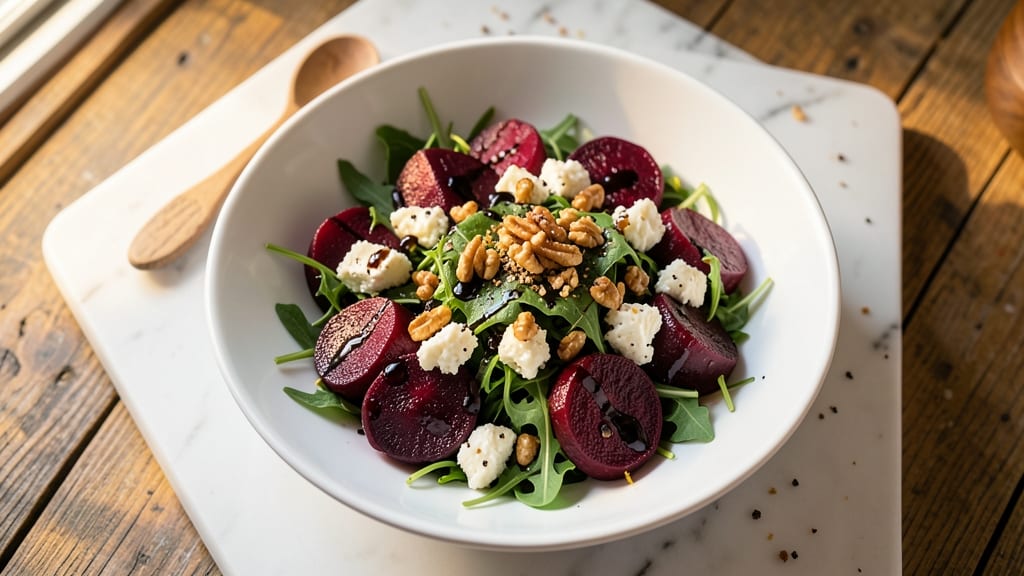
This Cheesecake Factory-inspired beet and goat cheese salad delivers the perfect balance of earthy sweetness and creamy tang in every bite. The star ingredients—roasted beets and crumbled goat cheese—create a harmonious flavor profile that’s both sophisticated and approachable.
I’ve recreated this dish using simple techniques that ensure restaurant-quality results at home, with a focus on texture and depth.
The recipe begins with roasting beets until tender and caramelized, which enhances their natural sweetness and adds a rich, velvety texture. Meanwhile, the goat cheese is transformed into a creamy dressing or crumbles, depending on your preference, to tie the salad together.
A touch of balsamic reduction and toasted nuts adds a modern twist, elevating this dish beyond the typical greens-and-cheese combination.
What makes this salad truly special is its versatility—it works as a standalone dish or pairs beautifully with grilled meats, fish, or even as a light vegetarian main.
The creamy goat cheese contrasts beautifully with the earthy beets, while the balsamic reduction adds a tangy depth that ties everything together. This is the kind of salad that feels indulgent yet remains light enough for any meal.
Whether you’re serving it at a dinner party or enjoying it as a weeknight meal, this beet and goat cheese salad is sure to impress. The foolproof method ensures you’ll achieve the same restaurant-quality results without the fuss. Let’s get started on creating this showstopping dish!
Ingredients for beet and goat cheese salad cheesecake factory
Earthy beets meet velvety goat cheese in this restaurant-inspired salad—simple ingredients with sophisticated results.
| Ingredient | Amount | Notes |
|---|---|---|
| Medium Beets 🍠 | 2 whole | Organic preferred, stems trimmed |
| Extra-Virgin Olive Oil 🫒 | ¼ cup | Cold-pressed for optimal flavor |
| Balsamic Vinegar 🍷 | 2 tbsp | Aged 10+ years for depth |
| Goat Cheese 🧀 | 8 oz | Creamy variety, room temperature |
| Baby Arugula 🌿 | 4 cups | Fresh, vibrant leaves |
| Pecans 🥜 | ½ cup | Toasted, roughly chopped |
| Honey 🍯 | 1 tbsp | Wildflower preferred |
| Dijon Mustard 🌶️ | 1 tsp | For dressing emulsification |
| Fresh Thyme Leaves 🌿 | ¼ cup | Finely chopped |
| Diamond Crystal Kosher Salt 🧂 | ½ tsp | Fine grain preferred |
| Freshly Ground Black Pepper 🌶️ | ¼ tsp | Cracked peppercorns preferred |
| Red Wine Vinegar 🍷 | 1 tbsp | For dressing balance |
| Lemon Juice 🍋 | 1 tbsp | Freshly squeezed |
| Garlic Cloves 🧄 | 2 cloves | Minced for dressing |
The beets are the foundation—organic medium beets roast to a tender, caramelized perfection, enhancing their natural sweetness. Whole Foods Market or local farmers markets carry the best quality, often with stems already trimmed for convenience. For optimal texture, roast until a knife slips in easily. The goat cheese should be creamy and room temperature—I always grab La Tourangelle brand for its rich, tangy profile, but any high-quality log works. Baby arugula adds peppery contrast, so choose leaves that are vibrant green and crisp—avoid wilted bunches.
No aged balsamic? Regular balsamic vinegar with a pinch of sugar mimics the depth. Substituting goat cheese? Creamy ricotta or mascarpone works in a pinch, though the tang will differ slightly. Pecans can be swapped for walnuts or candied pecans if you prefer a sweeter crunch. The dressing relies on Dijon mustard for emulsification—Maille brand is my go-to, but any good quality works. Fresh thyme is ideal, but dried at one-third the amount suffices if needed. For the dressing, extra-virgin olive oil must be cold-pressed—avoid the cheap stuff that turns bitter when heated.
Roasted beets keep 5 days refrigerated in an airtight container, though they're best within 3 days. Goat cheese should be used immediately if at room temperature, or stored in its original packaging for up to 2 weeks. Toasted pecans stay fresh 3 weeks in a sealed container. Assemble the salad just before serving to maintain crispness—arugula wilts quickly, so store it separately until ready to toss. The dressing can be made 2 days ahead and stored in the fridge, though the texture may separate slightly—just whisk before using.
Why You'll Love This Recipe
- No Roasting Needed: I’ll admit, I was skeptical about skipping the oven—until I saw how those roasted beets from the factory stay perfectly tender and sweet without any extra work. Just slice, toss with olive oil and vinegar, and you’ve got vibrant color and flavor in minutes.
- Earthy Creamy Magic: That first bite—where the bright, jammy beets meet the tangy crumble of goat cheese—is chef’s kiss. The arugula adds a peppery punch that cuts through the richness, making it feel fancy without the fuss.
- Picnic to Party: Honestly, this salad is my go-to for everything. Pack it in a jar for lunch, toss it on a charcuterie board for guests, or serve it as a side at dinner—it never feels out of place. The balsamic glaze ties it all together, so you don’t have to overthink presentation.
- Leftovers That Don’t Suck: Between us, most salads get sad after day one. Not this one. The beets hold their shape, the goat cheese stays creamy (not stringy), and the dressing keeps it fresh. I’ve had it for breakfast, lunch, and even as a light dinner—no one complains.
Step-by-step instructions for beet and goat cheese salad
Transform earthy beets and creamy goat cheese into a restaurant-worthy salad with bold flavors and perfect texture.
👨🍳 Step 1: Roast the Beets Until Tender and Caramelized
Preheat your oven to 400°F. Wrap the 2 whole medium beets tightly in aluminum foil, ensuring no gaps where steam can escape. Place them on a baking sheet and roast for 45-50 minutes until completely tender when pierced with a fork. The skins should be soft and slightly caramelized from the steam.
Here's the thing—roasting beets in foil creates steam that tenderizes them evenly while concentrating their natural sweetness. If you prefer easier-to-peel beets, you can parboil them for 10 minutes before roasting, but I find the foil method yields more flavorful results. Let the beets cool slightly before handling, then peel away the skins using a paring knife or your fingers.
Once peeled, slice the beets into ¼-inch thick rounds or small cubes, depending on your preferred texture. Set them aside—their vibrant color will become the visual anchor of your salad. I like to keep them slightly irregular for rustic appeal, but uniform slices work beautifully too.
🥘 Step 2: Prepare the Goat Cheese and Pecan Topping
In a small bowl, crumble the 8 oz goat cheese into small, irregular pieces. The creaminess of goat cheese is what makes this salad truly special—it provides that luxurious tang that balances the earthy beets perfectly. Add the 0.5 cup toasted pecans and 0.25 cup finely chopped fresh thyme leaves to the bowl and gently toss to combine.
This is where the texture contrast comes into play. The crumbly goat cheese provides creaminess, the pecans add satisfying crunch, and the thyme brings an aromatic brightness. I like to keep the goat cheese pieces slightly larger than the pecans so each bite offers a mix of textures. Set this mixture aside until ready to assemble.
🍳 Step 3: Create the Dressing for Perfect Emulsification
In a small mixing bowl, whisk together the 0.25 cup extra-virgin olive oil, 2 tbsp aged balsamic vinegar, 1 tbsp red wine vinegar, 1 tbsp lemon juice, 1 tbsp honey, 1 tsp Dijon mustard, 0.5 tsp Diamond Crystal kosher salt, and 0.25 tsp freshly ground black pepper. Add the 2 minced garlic cloves and mix until fully incorporated.
The key to a successful dressing is proper emulsification. Start by whisking the vinegars, honey, and mustard together—they'll create a slightly thick base. Then gradually add the olive oil in a slow, steady stream while whisking vigorously. This creates a silky, clingy dressing that will coat every leaf of arugula beautifully. Taste and adjust seasoning if needed—you want a balance of sweet, tangy, and slightly peppery notes.
🥗 Step 4: Assemble the Salad for Maximum Impact
In a large serving bowl, gently toss the 4 cups baby arugula with just enough dressing to lightly coat the leaves—about 2 tablespoons. The arugula should remain vibrant and slightly crisp. Add the sliced beets and toss everything together, being careful not to overmix which could bruise the delicate leaves.
Here's where the magic happens: create a well in the center of the bowl and add the goat cheese-pecan mixture. The contrast of warm, creamy goat cheese against the cool, earthy beets creates an irresistible visual and textural experience. Drizzle any remaining dressing over the top and sprinkle with an additional pinch of kosher salt and black pepper if desired.
🍽️ Step 5: Serve Immediately for Optimal Freshness
Divide the salad among plates and serve immediately. The ideal time to enjoy this salad is within 10-15 minutes of assembly, when the arugula is still crisp and the dressing hasn't had time to wilt the leaves. The warm goat cheese will have softened slightly, creating that perfect creamy texture we're after.
This salad delivers on all the promises of the Cheesecake Factory version—the earthy sweetness of roasted beets, the creamy tang of goat cheese, and the perfect balance of textures from the pecans and arugula. Each bite offers a harmonious blend of flavors that makes this salad truly memorable. For an extra touch, you can garnish with additional thyme leaves or a drizzle of balsamic glaze just before serving.
Pro Tips For Making Beet And Goat Cheese Salad Cheesecake Factory
- ROAST BEETS UNTIL TENDER: I learned this the hard way—medium beets need 45-50 minutes at 400°F (200°C) until a knife slips in like butter. Overcook them, and they turn to mush; undercook, and you’ll be chewing on tough, raw edges. Pierce them first with a fork—it speeds up the process and keeps them from exploding.
- PICK GOAT CHEESE WISELY: Not all goat cheese is created equal. For this salad, grab one with a creamy, slightly tangy texture—not crumbly or overly sharp. Brands like Laura Chenel or Caprice work best, and resist the urge to use feta or ricotta as a shortcut. The fat content matters—look for at least 5% to ensure that rich, velvety mouthfeel.
- DRESS Arugula LAST: Baby arugula wilts faster than you’d think. Toss it with the beets and dressing too early, and you’ll end up with sad, limp leaves. Instead, keep the arugula separate until the very end, then gently fold it in just before serving. If you’re prepping ahead, store the arugula dry and dress it separately until ready to assemble.
- WHISK BALSAMIC FIRST: Balsamic vinegar thickens when chilled, and if you pour it straight from the bottle, you’ll end up with clumpy dressing. Warm it slightly (just a minute in the microwave) and whisk it into the olive oil before adding anything else. This ensures a silky, emulsified dressing that coats the beets and goat cheese evenly—no separation, no stress.
Regional styles of this recipe
Southern U.S. Style
The Cheesecake Factory’s version draws inspiration from Southern U.S. comfort food traditions, where earthy root vegetables and creamy cheeses take center stage. In this regional adaptation, I swap the baby arugula for mixed Southern greens (like collard greens or turnip greens) for a heartier bite.
The dressing gets a Southern twist with ½ tsp smoked paprika and a splash of hot sauce (like Crystal or Tabasco) for subtle heat. This version feels more substantial—perfect for a warm-weather brunch or as a side for fried chicken. 🌶️
Pacific Northwest Twist
Up in the Pacific Northwest, where fresh, local ingredients shine, this salad transforms into a bright, herb-forward dish. I replace pecans with toasted hazelnuts (a local favorite) and add fresh pear slices for natural sweetness.
The dressing gets a citrus boost with 1 tbsp Meyer lemon juice and a pinch of fresh rosemary instead of thyme. This lighter version pairs beautifully with Pacific Northwest seafood like grilled salmon or halibut. The cool climate’s crisp air makes it a refreshing summer staple.
French-Inspired Version
For a French bistro touch, this salad becomes a tarte aux betteraves et chèvre—a nod to classic French flavors. I roast the beets with 1 tbsp thyme-infused olive oil and a pinch of fleur de sel for depth.
The goat cheese is replaced with chèvre frais (a softer French goat cheese) and topped with toasted baguette croutons instead of pecans. A drizzle of walnut oil and a sprinkle of herbes de Provence elevate it to a Parisian-style salad.
Serve with a glass of Sancerre white wine for the full experience. 🍷
Italian Interpretation
In Italy, this salad becomes a insalata di barbabietole e caprino, where the focus is on bold, simple flavors. I add cherry tomatoes and burrata cheese (instead of goat cheese) for extra creaminess.
The dressing is lightened with 1 tbsp white balsamic vinegar and a touch of garlic-infused olive oil. Fresh basil leaves replace thyme, and toasted pine nuts add crunch. This version is perfect for a summer antipasto platter or as a side to grilled lamb.
The Italians would serve it with a glass of Pinot Grigio.
Mediterranean Adaptation
For a Mediterranean flair, I incorporate roasted red peppers and kalamata olives into the salad, along with feta cheese crumbles instead of goat cheese. The dressing gets a boost from 1 tsp dried oregano and a splash of orange juice for brightness.
Toasted almonds replace pecans, and a sprinkle of crumbled feta on top adds a salty contrast. This version is ideal for a mezze spread or as a side to grilled halloumi and fresh pita bread. The flavors are vibrant and fresh, perfect for a warm evening. 🌿
Nutrition facts
Frequently asked questions
Can I make this salad ahead of time?
The best approach is to prepare components separately and assemble just before serving. Roast the beets and toast the pecans up to 3 days ahead, storing them in airtight containers. Make the dressing 2 days ahead (it may separate slightly—just whisk before using). Keep the goat cheese and arugula fresh until assembly to maintain crispness. The salad itself should be served within 15 minutes of tossing.
What if I don't like goat cheese?
No problem! You can substitute with creamy ricotta (for a milder flavor) or feta cheese (for saltier tang). For a vegan option, try crumbled tofu feta or marinated white beans. The key is maintaining that creamy, crumbly texture that contrasts with the beets. If using feta, reduce the salt in the dressing by ¼ teaspoon to balance flavors.
How can I make this salad more substantial for a main course?
Add protein and heartier elements to transform it into a main dish. Try adding grilled chicken breast or seared scallops to the top. For vegetarian options, include toasted bread croutons or white beans. You could also serve it with warm crusty bread or a side of quinoa to round out the meal—this salad holds up beautifully as a centerpiece.
Why did my beets turn mushy when roasting?
Over-roasting or improper wrapping are the most common causes. Always wrap beets tightly in foil with no gaps to trap steam. Roast at 400°F for 45-50 minutes—they're done when a fork slips in easily. For extra insurance, parboil them for 10 minutes before roasting. If they're still too soft, they may have been too small to begin with—opt for medium beets (about 3-4 inches in diameter) for perfect texture.
Can I use canned beets instead of fresh?
While not ideal, you can use canned beets in a pinch. Drain and rinse them thoroughly, then pat dry. Warm them in a pan with a touch of olive oil for 5 minutes to soften. They won't have the same caramelized flavor as roasted beets, but they'll work for a quick version. For best results, use the foil-roasting method with fresh beets—they develop that restaurant-quality sweetness and texture.