
Salads
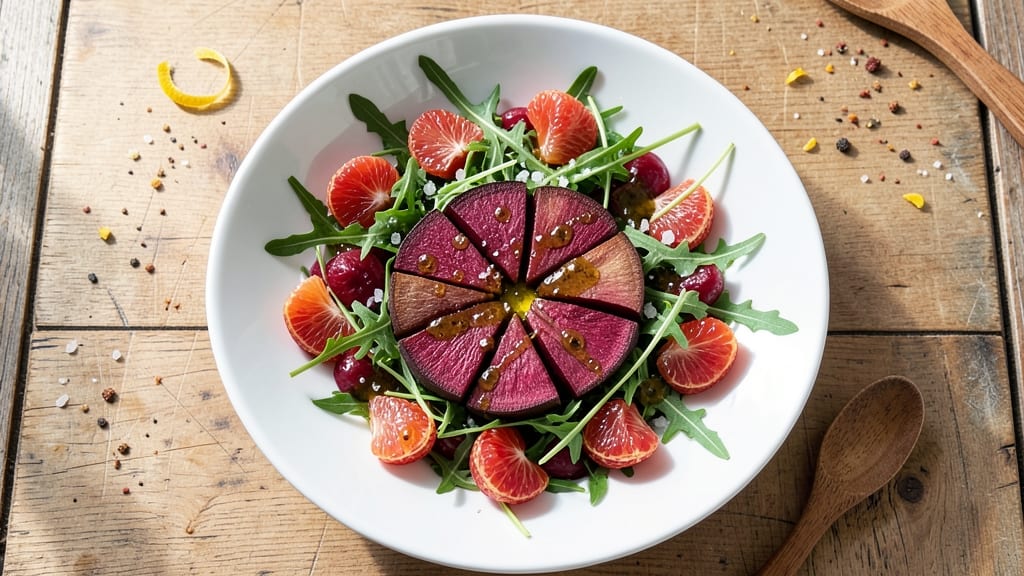
This beet and blood orange salad recipe delivers a stunning winter-to-spring transition on a plate—deep ruby beets meet bright citrus in a sweet-tart harmony that feels both elegant and effortless.
The key lies in roasting beets until tender yet firm, then pairing them with blood orange segments that burst with juicy acidity. I developed this after realizing how often vibrant salads get overlooked in colder months, and this combination proves you can have bold flavors without heavy ingredients.
The dressing is where the magic happens—a simple citrus vinaigrette with olive oil, Dijon mustard, and a touch of honey to bridge the sweetness of the beets and the tartness of the oranges.
For texture, I recommend adding crisp arugula or baby spinach and either creamy avocado slices or vegan feta for that satisfying bite. This salad isn't just visually striking; it's packed with antioxidants, fiber, and a refreshing crunch that keeps every bite interesting.
What makes this recipe truly special is how it balances earthy depth with bright acidity, creating a flavor profile that works equally well as a light lunch or a sophisticated starter.
The roasted beets develop a natural sweetness that pairs beautifully with the blood orange's citrus notes, while the dressing ties everything together with a tangy finish. It's the kind of dish that feels indulgent yet remains light enough for any season.
For added versatility, you can make this salad vegan by omitting cheese or using plant-based alternatives, and it's naturally gluten-free. The beets can be roasted ahead of time and stored in the fridge for up to 5 days, making this a perfect make-ahead dish for entertaining or meal prep.
Let's bring this vibrant, flavorful salad to your table!
Ingredients for beet and blood orange salad
Vibrant beets, bright citrus, and crisp greens—this salad is all about sweet-tart harmony.
| Ingredient | Amount | Notes |
|---|---|---|
| Medium Beets 🍠 | 2 whole | Organic preferred, trimmed |
| Blood Oranges 🍊 | 2 whole | Segments only, peeled |
| Baby Arugula 🌿 | 4 cups | Fresh, loosely packed |
| Extra-Virgin Olive Oil 🫒 | ¼ cup | High quality, fruity |
| Dijon Mustard 🍯 | 1 tbsp | Mild or hot variety |
| Raw Honey 🍯 | 1 tbsp | Vegan substitute: agave syrup |
| Apple Cider Vinegar 🍶 | 1 tbsp | Raw, unfiltered |
| Sea Salt 🧂 | ½ tsp | Fine grain preferred |
| Black Pepper 🌶️ | ¼ tsp | Freshly ground |
| Avocado 🥑 | 1 whole | Ripe, sliced for texture |
| Vegan Feta 🧀 | ½ cup | Crumbled, optional |
| Toasted Walnuts 🥜 | ¼ cup | Chopped, for crunch |
| Fresh Thyme Leaves 🌿 | 2 tsp | Chopped, for garnish |
Beets are the star here, so pick the prettiest ones—deep ruby color means sweeter flavor. Whole Foods and local markets usually carry the best organic varieties, but regular grocery stores work too. Roast them until tender but still firm—they should feel soft when pierced with a fork but not mushy. Blood oranges are seasonal, so hit up Trader Joe's or specialty markets when they're in peak season (winter to early spring). Look for oranges that are heavy for their size and have a slightly soft spot—those are the juiciest. Skip the pre-segmented ones; fresh segments make all the difference.
No blood oranges? Grapefruit segments or even regular oranges will work in a pinch, though the flavor won't be quite the same. Swapping out the avocado for sliced cucumber keeps it light if you're avoiding healthy fats. The dressing is where you can get creative—substitute maple syrup for honey if you're keeping it fully vegan, or add a pinch of smoked paprika for depth. For extra crunch, toast the walnuts in a dry pan for 3-4 minutes until fragrant. And if you're short on time, pre-cut vegan feta from the refrigerated section at Whole Foods saves prep work without sacrificing flavor.
Roasted beets keep beautifully in the fridge for 5 days if stored in a sealed container with a damp paper towel to maintain moisture. The dressing can be made ahead and stored for 1 week, but toss it gently before using to recombine any separated ingredients. Walnuts stay crisp for 3 days in the fridge if kept airtight. For meal prep, assemble the salad just before serving to keep the arugula crisp and avocado fresh. This dish is perfect for entertaining—just arrange everything on a platter and let guests build their own bowls.
Why You'll Love This Recipe
- Same ingredients, endless uses: toss it over grilled chicken for a fancy lunch, pile it high for a holiday appetizer, or serve it as a side when you’re feeding a crowd. Between us, I’ve even used leftover beets in smoothies—because waste not, want not.
- No-Cook Core: I roast the beets ahead of time—one 40-minute oven session—and they keep for days. That means the salad itself takes less than 10 minutes to assemble, even on mornings when I’m still in my pajamas.
- Sweet-Savory Magic: The blood oranges add that bright, citrusy punch, while the Dijon mustard ties it all together with a tangy bite. Honestly, the contrast between the earthy beets and the juicy orange segments is ridiculously good—like a flavor party in your mouth.
- Weeknight to Dinner Party: Same ingredients, endless uses: toss it over grilled chicken for a fancy lunch, pile it high for a holiday appetizer, or serve it as a side when you’re feeding a crowd. Between us, I’ve even used leftover beets in smoothies—because waste not, want not.
Step-by-step instructions for beet and blood orange salad
Here's how to assemble this stunning salad with perfect texture and flavor balance.
Roast the Beets Until Tender
Preheat your oven to 400°F and wrap each of the 2 whole medium beets tightly in aluminum foil. Place them on a baking sheet and roast for 45-50 minutes until they're fork-tender when pierced. You'll know they're done when the skin easily slips off and the flesh is vibrant.
Let the beets cool slightly before peeling, then slice them into ¼-inch thick rounds. I like to cut them into wedges or small cubes for even distribution in the salad. The roasting process brings out their natural sweetness while keeping them tender enough to eat without resistance.
Segment the Blood Oranges
Working over a bowl to catch any juice, carefully slice off the top and bottom of each whole blood orange and make vertical cuts between the segments. Twist the halves to separate the segments, removing any remaining white pith. You should yield about 8-10 segments total.
Arrange the segments on a plate and sprinkle lightly with 0.25 tsp black pepper. The pepper enhances the citrus's natural bitterness while adding a subtle warmth that complements the earthy beets. Let them sit at room temperature while you prepare the rest of the salad components.
Prepare the Dressing Components
In a small bowl, whisk together the 0.25 cup extra-virgin olive oil, 1 tbsp Dijon mustard, 1 tbsp raw honey, and 1 tbsp apple cider vinegar until completely emulsified. Add the 0.5 tsp sea salt and mix well. Taste and adjust the balance between sweet and tangy—you want it to complement the salad's flavors without overpowering them.
This dressing should be smooth and well-combined, with no visible streaks of mustard. If it separates slightly, simply whisk it again. The honey and vinegar create a perfect bridge between the salad's earthy and citrus notes, while the olive oil provides a luxurious finish.
Assemble the Salad
In a large bowl, gently combine the 4 cups baby arugula, sliced avocado, and 0.25 cup toasted walnuts. Add the roasted beet slices and blood orange segments, distributing them evenly throughout the greens. Sprinkle with the 0.5 cup vegan feta if using, and fold gently to combine.
Drizzle the dressing over the salad and toss lightly, just enough to coat the ingredients evenly. The arugula's peppery bite contrasts beautifully with the sweet beets and citrus, while the walnuts add satisfying crunch. The vegan feta, if included, provides a salty tang that ties everything together.
Garnish and Serve
Transfer the salad to serving plates and sprinkle with the 2 tsp chopped fresh thyme leaves. The thyme adds an aromatic depth that elevates the dish. Serve immediately while the avocado is still fresh and the dressing is at its peak flavor.
This salad makes 4 generous servings, perfect for a light lunch or elegant side dish. The vibrant colors and perfect balance of sweet, tart, and earthy flavors make it a showstopper that's just as delicious as it looks. Enjoy immediately for the best texture and flavor experience.
Pro Tips For Making Beet And Blood Orange Salad
- ROAST BEETS UNTIL TENDER: I used to pull them out of the oven too soon—still rock-hard with a bitter edge. Aim for 45-55 minutes at 400°F (20-25 minutes longer than you think), wrapped in foil with a splash of water. Pierce them first, or they’ll explode like overripe fruit. A fork should glide through like butter.
- PEEL BEETS WHEN COLD: Hot beets are stubborn—you’ll strip skin off your knuckles trying. Let them cool 10 minutes first, then rub them under running water with a paper towel. The skins slide off like they’re begging to go. (Yes, even if you’re impatient like me.)
- ZEST THE ORANGES FIRST: Skip the juice if the dressing tastes flat. Blood oranges have more pith than regular ones—zest the peel (about 1 tsp) before juicing, then strain the juice through a fine-mesh sieve. That extra aromatic oil makes the dressing sing. (Your future self will notice the difference.)
- DRESS THE ARUGULA LAST: Tossing baby arugula with mustard and oil too early wilts it into sad, limp puddles. Keep it dry until the last minute, then fold it gently into the dressed beets and oranges. The peppery bite stays sharp, and the salad holds its structure—no soggy mess here.
Common mistakes when making your beet and blood orange salad
Over-Roasting Beets
Roasting beets too long turns them mushy and dulls their natural sweetness. I’ve ruined more beets than I’d like to admit by leaving them in the oven past 50 minutes—the skin wrinkles and the texture becomes unpleasantly soft.
To avoid this, test one beet with a fork after 45 minutes. It should pierce easily but still hold its shape. If you’re using a convection oven, reduce the time by 5-10 minutes—they cook faster due to the fan’s direct heat. 🌡️
Underestimating Citrus Juice
Blood oranges release a surprising amount of juice when segmented, which can make your salad soggy if you don’t account for it. I learned this the hard way when my first attempt turned into a watery mess.
To prevent this, pat the segments dry with a paper towel before adding them to the salad. Also, avoid cutting the oranges too far in advance—segment them just before assembling to preserve their crispness and vibrant color.
Skipping the Dressing Emulsion
Whisking the dressing ingredients together without proper emulsification leads to a separated, oily dressing that ruins the salad’s cohesion. The key is to combine the olive oil and Dijon mustard first, then slowly add the vinegar and honey while whisking vigorously.
If it separates, simply re-whisk or use a fork to blend it back together. A quick fix is to add 1 tsp water to help bind the ingredients if needed.
Ignoring Texture Balance
This salad thrives on contrasting textures—crisp greens, creamy avocado, crunchy walnuts, and tender beets. I once made the mistake of omitting the walnuts, and the dish lost its satisfying bite.
If you’re short on time, toast the walnuts in a dry pan for just 3-4 minutes until fragrant—they’ll add depth even if you can’t chop them finely. For extra crunch, add toasted pumpkin seeds or crumbled croutons as a substitute.
Using Unripe Avocado
An unripe avocado turns brown and mushy in the salad, making it unappetizing. Always select avocados that yield slightly to gentle pressure near the stem. Once sliced, toss them with a little lemon juice to prevent browning while you finish assembling the salad.
If your avocado is too firm, let it sit at room temperature for 30 minutes before slicing. For a firmer texture, use cucumber slices instead—they hold up better in the salad.
Overcrowding the Salad Bowl
Tossing all the ingredients into one bowl and mixing vigorously can bruise the arugula and crush the blood orange segments, making the salad look sad and wilted. Instead, assemble the salad in layers: start with the greens, add the beets and avocado, then top with citrus and nuts.
Gently fold everything together just before serving to keep the components intact. This also makes it easier to adjust the dressing distribution for even flavor.
Nutrition facts
Frequently asked questions
Can I use regular oranges instead of blood oranges?
Yes, but the flavor will be different. Regular oranges lack the deep red hue and slightly tart profile that makes blood oranges special. For a similar citrus brightness, try grapefruit segments—they're more bitter and pair beautifully with beets. If you must use regular oranges, add an extra ½ tsp black pepper to enhance their natural acidity and complement the earthy beets.
How do I store leftovers to keep them fresh?
Store the salad components separately in airtight containers. Keep the roasted beets and blood orange segments in one container (they'll last 5 days in the fridge) and the dressing in another (up to 1 week). Reassemble just before serving to maintain crispness. For the avocado, slice it last minute or store it separately with a sprinkle of lemon juice to prevent browning.
What's the best way to make this salad vegan?
Simply swap the honey for agave syrup and use vegan feta (like coconut-based brands). For extra protein, add toasted chickpeas or crumbled tempeh. The salad remains naturally gluten-free and packed with plant-based goodness. The texture contrast from avocado and walnuts keeps it satisfying without any animal products.
Can I make this salad ahead of time?
Roast the beets and segment the oranges up to 3 days ahead, storing them separately in the fridge. Toast the walnuts and make the dressing separately (they keep well for 5 days). Assemble the salad just before serving to preserve the crispness of the greens and avocado. This makes it perfect for meal prep or entertaining—just toss everything together when ready to serve.
What if I don't have arugula?
No problem! Use baby spinach, mixed greens, or even butter lettuce for a milder flavor. For extra heartiness, add chopped kale (massage it first with olive oil to soften). The key is to choose greens that won't wilt too quickly when combined with the juicy citrus and creamy avocado. Baby kale or radicchio would also add beautiful color contrast.