Sauces & Condiments
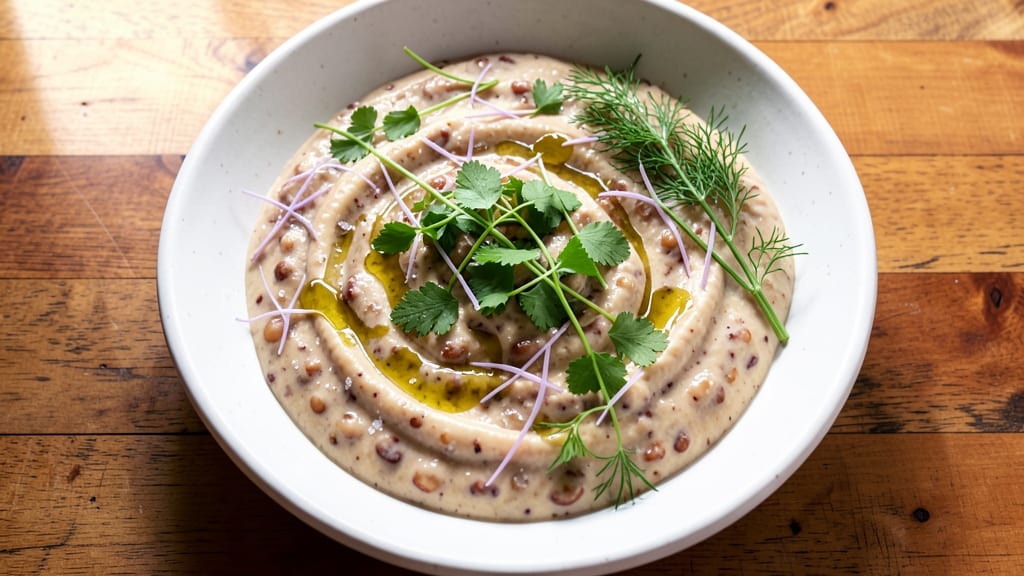
This no-sugar bean salad dressing recipe delivers bright, herb-infused tang that elevates every dish without relying on sweetness. 💚 The secret lies in blending white beans with lemon juice, garlic, and fresh herbs—creating a creamy yet light texture that clings perfectly to salads, grains, or roasted vegetables.
Unlike store-bought dressings, this version uses whole-food ingredients for a vibrant, nutrient-packed flavor profile that keeps well for up to a week in the fridge.
What sets this dressing apart is its balanced acidity and richness, achieved through a mix of olive oil and vinegar that enhances the natural creaminess of the beans. The herbs—parsley, dill, and chives—add freshness, while a touch of Dijon mustard deepens the flavor without overpowering.
It’s ideal for those watching sugar intake but craving bold, restaurant-quality dressings that transform simple meals into something extraordinary.
The result is a velvety, tangy dressing that’s creamy yet light, with a bright herbal finish that pairs beautifully with grilled meats, hearty salads, or even as a dip for crudités. The recipe is simple, requiring just a few pantry staples and a blender, but the flavor is anything but basic.
Perfect for meal prep, this dressing stays fresh and flavorful for days, making it a go-to for healthy, sugar-free cooking.
Whether you’re dressing up a grain bowl, drizzling over roasted vegetables, or using it as a marinade, this bean-based dressing delivers depth and complexity without the sugar crash. The texture is smooth and cohesive, with no separation or artificial aftertaste—just pure, wholesome flavor. Let’s make it!
Ingredients for bean salad dressing recipe no sugar
Nine whole-food ingredients blend into a velvety, herb-infused dressing without any sugar.
| Ingredient | Amount | Notes |
|---|---|---|
| Canned Cannellini Beans 🌱 | 1 ½ cups | Drained and rinsed thoroughly |
| Fresh Parsley Leaves 🌿 | ½ cup | Finely chopped, stems removed |
| Fresh Dill Weeds 🌿 | ¼ cup | Chopped, packed loosely |
| Fresh Chives 🌱 | ¼ cup | Finely chopped, mild flavor |
| Extra-Virgin Olive Oil 🫒 | ½ cup | Cold-pressed, fruity variety |
| Apple Cider Vinegar 🍎 | ¼ cup | Raw, unfiltered preferred |
| Fresh Lemon Juice 🍋 | 2 tbsp | Strained, no pulp |
| Dijon Mustard 🌶️ | 1 tbsp | Grainy texture preferred |
| Garlic Cloves 🧄 | 3 cloves | Peeled, rough chopped |
| Sea Salt 🧂 | 1 tsp | Diamond Crystal preferred |
| Black Peppercorns 🌶️ | ½ tsp | Freshly cracked |
| Water 💧 | ¼ cup | Room temperature |
The beans are the heart of this dressing—cannellini provides the perfect creaminess, but white beans like great northern work equally well. Opt for low-sodium canned beans to avoid excess salt, and always rinse thoroughly to remove any residual starch. For herbs, Whole Foods Market or local farmers markets offer the freshest parsley, dill, and chives, but the grocery store's pre-washed options suffice in a pinch. The key is using bright green, vibrant herbs—wilting leaves will compromise flavor. Store extra herbs in damp paper towels in the fridge for up to 5 days.
No fresh dill? Dried dill at one-third the amount works, though the flavor won't be as bright. Substitute apple cider vinegar with white wine vinegar or lemon juice if needed, though the tang will differ slightly. For a smoother texture, blend the garlic first before adding other ingredients—this prevents graininess. The Dijon mustard adds depth; if unavailable, yellow mustard at half the amount is a decent swap. For extra richness without sugar, consider adding 1 tbsp tahini to the blend. Always taste as you go—adjust vinegar or lemon for more tang, or salt for seasoning.
This dressing keeps beautifully in an airtight container in the fridge for up to 7 days, though the flavors deepen over time. For longer storage, portion into ice cube trays, freeze, then transfer to a bag—perfect for single-use portions. Before serving, give it a quick stir and thin with a splash of water if it thickens. The dressing pairs exceptionally with roasted vegetables, grain bowls, or grilled proteins. For a protein boost, blend in 1/4 cup cooked quinoa or avocado for a thicker consistency.
Why You'll Love This Recipe
- No Blender Needed: I swear by this—just mash those canned Cannellini beans with a fork until they’re chunky but smooth. No gadgets, no fuss, and honestly? The texture is better this way—creamy enough to coat but still has that satisfying bean bite.
- Herb-Packed Punch: Between the parsley’s freshness, dill’s bright tang, and chives’ sharp finish, this dressing sings. I’ll be real: I’ve tried store-bought versions, and nothing beats the way these herbs shine when blended with olive oil and a squeeze of lemon (if you’re using it).
- Game for Any Meal: Drizzle it over grain bowls, toss it with roasted veggies, or even use it as a dip—it’s that versatile. My go-to? A quick lunch of sliced cucumbers, olives, and crusty bread. (Yes, even on a Tuesday night.)
- Pantry Goldmine: Canned beans and olive oil? You’re already winning. This recipe costs me pennies per serving and keeps for days in the fridge. I make a big batch on Sundays and use it all week—no waste, no stress. Budget-friendly doesn’t get much better than this.
Step-by-step instructions for herb-infused bean salad dressing
Transform simple pantry staples into a vibrant, sugar-free dressing with bold herbaceous notes.
👨🍳 Step 1: Blend the Herb and Garlic Base
In a high-speed blender, combine the 1.5 cups drained cannellini beans, 0.5 cup chopped parsley leaves, 0.25 cup chopped dill weeds, and 0.25 cup chopped chives. I like to add these herbs in stages—first the parsley, then the dill, then the chives—to ensure even distribution and prevent clumping. The beans act as a natural emulsifier, creating a thick, creamy texture without any dairy or oils.
Add the 3 peeled garlic cloves and pulse just until the garlic is finely minced but not paste-like. You want to preserve some texture to prevent the dressing from becoming too smooth. Blend on high for 30-45 seconds until everything forms a thick, chunky paste. The mixture should look vibrant green with visible herb flecks—this indicates proper blending without over-processing.
🍳 Step 2: Incorporate Acid and Mustard for Tang
With the blender running on low speed, slowly drizzle in the 0.5 cup extra-virgin olive oil through the feed tube. This gradual addition prevents the oil from separating and creates a stable emulsion. Add the 0.25 cup apple cider vinegar and 2 tbsp fresh lemon juice next, blending continuously until fully incorporated. The acidity from these ingredients brightens the herbs and balances the richness of the beans.
Stop the blender and scrape down the sides with a silicone spatula. Add the 1 tbsp Dijon mustard and 1 tsp sea salt, then blend again for 10-15 seconds until smooth. The mustard helps bind the dressing and adds subtle depth. Taste at this stage—you should notice a bright, herby tang with a creamy texture. If it tastes too mild, add a pinch more salt or a splash of vinegar.
🥘 Step 3: Thin and Season to Perfection
Transfer the dressing to a mixing bowl and stir in the 0.25 cup room-temperature water and 0.5 tsp freshly cracked black peppercorns. The water adjusts the consistency to a pourable yet clingy texture—ideal for tossing with salads or drizzling over roasted vegetables. Stir vigorously for 1 minute to fully integrate the pepper and ensure no lumps remain. The dressing should coat the back of a spoon smoothly without being watery.
Let the dressing rest for 10 minutes at room temperature. This resting period allows the flavors to meld and the emulsion to stabilize. Taste again and adjust seasoning if needed—perhaps a touch more salt or lemon juice for brightness. The final dressing should have a vibrant green hue, a creamy yet tangy mouthfeel, and a complex flavor profile where the herbs shine without sweetness masking their natural bitterness.
⏰ Step 4: Store and Use for Maximum Freshness
Transfer the dressing to a clean, airtight jar or container. Store in the refrigerator for up to 5 days, shaking well before each use. The flavors will continue to develop over time, becoming even more nuanced. This dressing works beautifully on mixed greens, grain bowls, or as a marinade for grilled vegetables. For an extra layer of texture, top with additional chopped herbs or a sprinkle of cracked pepper just before serving.
Real talk: the beans are the secret weapon here—they create a naturally rich, velvety texture without the need for sugar or heavy cream. The herb blend delivers a fresh, garden-fresh brightness that pairs perfectly with hearty salads or as a dip for crudités. Don't be tempted to skip the resting time; patience ensures the flavors harmonize completely.
Pro Tips For Making Bean Salad Dressing Recipe No Sugar
- Drain and Rinse Beans Properly: Dump those canned beans into a colander and give them a good rinse—even if the label says "no salt added." The starch clinging to them will turn your dressing into a gluey mess, and nobody wants that. Pat them dry afterward if you’re feeling extra, but at least rinse them.
- Pulse Herbs in Batches: Don’t overload your food processor with all the parsley, dill, and chives at once. Pulse them in 2-3 batches instead—this keeps the herbs from turning into a paste and lets you control the texture. You want chunks, not a smoothie.
- Use Cold Oil, Not Warm: Measure your olive oil cold from the fridge, then drizzle it in slowly while the processor is running. Warm oil emulsifies faster but can make the dressing separate later. Cold oil blends smoother and stays stable longer—trust me, it’s worth the wait.
- Let It Rest Before Serving: Once you’ve blended everything, transfer the dressing to a jar and let it sit for 10 minutes. This gives the flavors time to marry and the texture to thicken slightly. Skipping this step means a dressing that’s either too thin or tastes like a random pile of ingredients.
Essential equipment for this recipe
High-Speed Blender
A high-speed blender is non-negotiable for achieving that silky, emulsified texture without separation. I use my Ninja BN601 for its powerful motor and sharp blades—it handles the beans and herbs effortlessly.
If you’re on a budget, the Hamilton Beach 58340R works well too, though you may need to pulse in stages. Avoid low-wattage blenders; they struggle with the beans’ fibrous texture and can leave chunks behind. 💫
Fine-Mesh Strainer
For straining lemon juice or removing herb stems, a fine-mesh strainer ensures no pulp or debris ends up in your dressing. My go-to is the OXO Good Grips—it’s sturdy and easy to clean. If you don’t have one, a cheesecloth works in a pinch, but it requires more effort.
This step is especially important for the lemon juice, as pulp can make the dressing grainy. Pro tip: Press the herbs gently but firmly against the strainer to extract maximum flavor.
Measuring Spoons
Precision matters when balancing acidity and salt. I rely on stainless steel measuring spoons (like the West Bend set) for accuracy—especially for the 1 tbsp Dijon mustard and 1 tsp sea salt. Plastic spoons can warp over time, leading to inconsistent measurements.
For vinegar and lemon juice, use a liquid measuring cup with clear markings to avoid over- or under-measuring. A splash too much vinegar can overpower the herbs, while too little leaves the dressing flat.
Silicone Spatula
A silicone spatula is your best friend for scraping down the sides of the blender and mixing the dressing in the bowl. I prefer the OXO Good Grips version—its flexible edge reaches every corner, and it won’t scratch your blender.
Avoid metal utensils, which can dull blades or react with acidic ingredients like vinegar. After blending, use the spatula to fold in the water and peppercorns gently, ensuring even distribution without overmixing.
Airtight Storage Container
For fridge storage, an airtight container (like Le Creuset’s glass jars) keeps the dressing fresh for up to 5 days. Glass is ideal because it won’t absorb odors or flavors from other foods. If using plastic, opt for BPA-free brands like Rubbermaid.
For longer storage, freeze in ice cube trays—portioning this way makes it easy to thaw just what you need. Always leave ½ inch of headspace to account for expansion if freezing.
Nutrition facts
Frequently asked questions
Can I use other types of beans instead of cannellini?
Great northern beans or navy beans work beautifully—they’re just as creamy and neutral-tasting. For extra richness, try white butter beans or chickpeas (though chickpeas may need a bit more lemon juice to balance their earthiness). Just ensure they’re thoroughly drained and rinsed to prevent a starchy texture.
How do I adjust the consistency if it's too thick or thin?
If your dressing is too thick, thin it with 1-2 tablespoons of water or apple cider vinegar at a time, stirring until smooth. For a thicker texture, simmer the dressing in a saucepan for 3-5 minutes to reduce the liquid. The key is gradual adjustments—add just a splash at a time to avoid ruining the balance.
Can I make this dressing without fresh herbs?
Yes! Use dried herbs at one-third the amount (e.g., 1 teaspoon dried dill instead of 1 tablespoon fresh). For parsley, dried works too, but the flavor will be less vibrant. Boost intensity by adding ½ teaspoon dried thyme or oregano for depth. Fresh herbs are ideal, but dried herbs save the day in a pinch.
Why does my dressing separate after blending?
Separation usually happens when oil isn’t emulsified properly. To fix it, blend the dressing again on low while slowly drizzling in 1-2 teaspoons of water or vinegar. For future batches, ensure the blender is clean and dry, and add the oil very slowly while blending on low speed. A splash of lemon juice can also help stabilize the emulsion.
What are the best ways to use this dressing beyond salads?
This versatile dressing works as a marinade for grilled chicken or tofu, a dip for veggie sticks or pita chips, or a sauce for roasted potatoes or grains. Drizzle it over bowls of quinoa or couscous, or use it as a base for creamy soups. The herby tang pairs especially well with Mediterranean flavors and hearty proteins.