
Sauces & Condiments
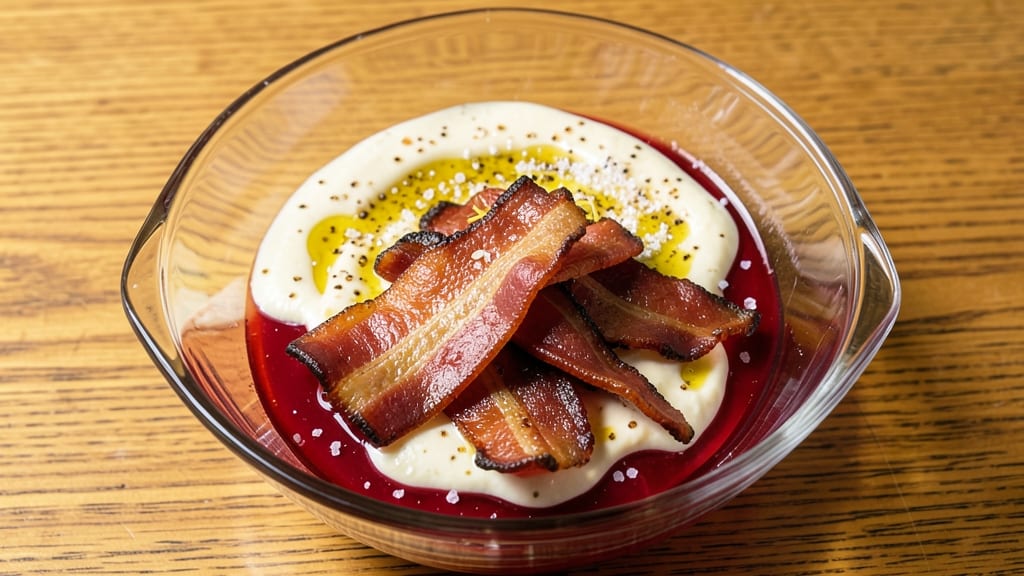
This bacon vinaigrette salad dressing recipe transforms ordinary greens into a smoky-sweet masterpiece in just 5 minutes—no fancy techniques required. The secret lies in infusing crispy bacon into the base, creating a dressing that balances tangy vinegar, rich oil, and that irresistible smoky depth.
I developed this after craving a dressing that could elevate simple salads to restaurant-quality without overpowering the fresh ingredients.
The foundation of any great vinaigrette is the ratio of oil to vinegar, and here we use equal parts for a perfect balance of richness and acidity. Dijon mustard acts as our emulsifier, ensuring the dressing stays smooth and clings to every leaf.
What sets this apart is the bacon—crisped until golden, then steeped in the oil to infuse every drop with its smoky-sweet flavor. This isn’t just dressing; it’s a flavor bomb that turns salads into a showstopper.
What you’ll end up with is a dressing that’s creamy yet bright, with layers of complexity from the bacon’s caramelized edges and the vinegar’s sharp bite.
It’s versatile enough to dress hearty greens like arugula or kale, but also works as a sandwich spread or a drizzle over roasted vegetables. The best part? It keeps in the fridge for up to a week, so you can make a batch and enjoy it all week long.
Whether you’re prepping for a weeknight dinner or hosting a weekend gathering, this dressing delivers restaurant-quality flavor with minimal effort. The key is patience—let the bacon cool completely before blending, and taste as you go to adjust the seasoning. Here’s how to make it perfectly every time.
Ingredients for bacon vinaigrette salad dressing
Eight bold ingredients crafting restaurant-quality flavor in minutes—no fancy skills needed.
| Ingredient | Amount | Notes |
|---|---|---|
| Thick-Cut Bacon 🥓 | 4 oz | Crisped until golden, cooled completely |
| Extra-Virgin Olive Oil 🫒 | ½ cup | Light, fruity variety preferred |
| Red Wine Vinegar 🍷 | ½ cup | Bold, dry variety for depth |
| Dijon Mustard 🌿 | 1 tbsp | For smooth emulsification |
| Granulated Sugar 🍚 | 1 tsp | Balances vinegar's acidity |
| Kosher Salt 🧂 | ½ tsp | Diamond Crystal preferred |
| Freshly Ground Black Pepper 🌶️ | ¼ tsp | Freshly cracked for brightness |
| Garlic Cloves 🧄 | 1 whole | Minced for subtle depth |
The bacon is the star here—thick-cut bacon from Costco or Trader Joe's crisps up perfectly without burning. Look for packages labeled 'thick-cut' or 'sliced from the middle' for that ideal texture. The extra-virgin olive oil should be light and fruity (think California or Italian varieties)—avoid the heavy, peppery oils that can overpower the delicate balance. For vinegar, Bragg or Annie's are my go-tos, but any bold red wine vinegar works. The Dijon mustard? Maille or Whole Foods brand—they're smoother and more flavorful than the generic stuff. Pro tip: Toast your garlic clove in the bacon oil before mincing for extra depth.
No thick-cut bacon? Thin-cut bacon works in a pinch, but you'll need to watch it closely to avoid burning. Substituting vinegar? Apple cider vinegar at half the amount adds a different complexity. Short on Dijon? Yellow mustard plus a pinch of turmeric mimics the color and tang. The sugar can be swapped for maple syrup or honey (though honey isn't vegan), but keep it to the same amount. For salt, Maldon flakes add beautiful texture if you're feeling fancy—just use half the amount. The pepper? Freshly ground is non-negotiable here, but if you're out, coarse-ground black pepper works in a bind.
This dressing keeps beautifully—up to 1 week in an airtight jar in the fridge. The bacon fat will rise to the top, so give it a quick stir before each use. For longer storage, freeze in 1-tablespoon portions for quick salad toppings. I make double batches all the time—it disappears faster than you'd think. The flavor actually improves after a day or two as everything melds together. Perfect for meal prep!
Why You'll Love This Recipe
- Five-Ingredient Magic: I swear, this dressing comes together with zero fuss—just crispy bacon crumbles, a splash of vinegar, and a whisk. Honestly, I’ve made it while waiting for coffee to brew, and it still tastes like I slaved over it.
- Salty-Sweet Crunch: That first bite of bacon-infused oil? Chef’s kiss. The sugar balances the vinegar, the mustard adds depth, and the thick-cut bacon? It turns your salad into a flavor bomb without overpowering anything.
- Weeknight to Potluck: Dress a simple green salad for dinner or drizzle it over roasted veggies for a crowd—it’s equally at home. I’ve even used it as a marinade for chicken (yes, really) and it worked like a charm.
- Leftovers That Don’t Suck: Make a double batch and store it in the fridge for up to a week. The flavors only get better as the bacon oils mellow, and it’s way cheaper than buying pre-made dressing. Plus, it’s my go-to for lazy days when I don’t want to cook.
Step-by-step instructions for bacon vinaigrette salad dressing
Here's how to make this rich, smoky dressing that elevates any salad in minutes.
Cook the Bacon Until Perfectly Crisp
Place the 4 oz thick-cut bacon in a cold, dry skillet over medium heat. Cook undisturbed for 5-6 minutes until the edges begin to crisp and release from the pan. I like to press down gently on the bacon during the first minute—this prevents it from curling and ensures even contact with the pan.
Continue cooking until the bacon reaches golden brown all over, about 8-10 minutes total. The fat should render out generously, creating a pool of flavorful liquid. Once fully crisp, transfer the bacon to a paper towel-lined plate, leaving the rendered fat in the skillet. Let the bacon cool completely before crumbling it into small pieces—this prevents the dressing from becoming greasy.
Deglaze the Pan with Vinegar
Remove the skillet from heat and carefully pour in the 0.5 cup red wine vinegar. The vinegar will sizzle and bubble as it dissolves the browned bits stuck to the bottom—this is called deglazing, and it captures all the bacon's smoky flavor. Let the mixture simmer gently for 1-2 minutes until the vinegar reduces slightly and thickens.
Here's the thing—don't walk away. The vinegar reduces quickly, and you want to capture those concentrated flavors. You'll know it's ready when the mixture smells deeply of bacon and vinegar, with no raw vinegar tang remaining. If you see any large chunks of bacon fat floating on top, skim them off with a spoon to keep the dressing light.
Whisk in Mustard and Sugar
Return the skillet to low heat and add the 1 tbsp Dijon mustard and 1 tsp granulated sugar. Whisk vigorously for 1-2 minutes until the mustard is fully incorporated and the sugar dissolves completely. The Dijon mustard acts as an emulsifier, helping the oil and vinegar blend smoothly, while the sugar balances the vinegar's acidity.
Taste the mixture now—it should be tangy, slightly sweet, and deeply smoky. If it tastes too sharp, add a pinch more sugar. If it needs more depth, let it simmer for another 30 seconds to concentrate the flavors. This is your flavor base, so don't rush it. The longer you let it simmer gently, the more complex the flavor becomes.
Gradually Incorporate the Olive Oil
Remove the skillet from heat and let the mixture cool slightly for 1-2 minutes. Slowly drizzle in the 0.5 cup extra-virgin olive oil while whisking continuously. This gradual addition is crucial—it allows the oil to emulsify properly with the vinegar mixture. If you add it too quickly, the dressing will separate.
Whisk vigorously for 2-3 minutes until the dressing thickens slightly and becomes creamy. You'll notice it go from a thin liquid to a glossy, velvety texture. If it starts to separate, simply whisk in 1 teaspoon of warm water to bring it back together. The olive oil should be fully incorporated, with no visible oil pooling on top.
Finish with Aromatics and Season
Add the 1 whole minced garlic cloves, 0.5 tsp kosher salt, and 0.25 tsp freshly ground black pepper to the skillet. Whisk for 30 seconds until the garlic is fully distributed and the seasonings are evenly incorporated. The garlic should infuse the dressing with a subtle, aromatic depth without overpowering the smoky-sweet balance.
Taste and adjust the seasoning—you might need a pinch more salt or a splash more vinegar to achieve the perfect balance. Once satisfied, transfer the dressing to a clean jar or bowl. It will keep in the refrigerator for up to 1 week, making it perfect for meal prep. Give it a good stir before each use, as the oil may separate slightly over time.
Pro Tips For Making Bacon Vinaigrette Salad Dressing
- CRISPY IT RIGHT: Cook your thick-cut bacon on medium-low heat—yes, even if you’re impatient. High heat makes it burn before it crisps, and you’ll end up with bitter bits in your dressing that no amount of whisking fixes.
- DRAIN AND CHOP COLD: Let the bacon cool completely on a wire rack before chopping—it’ll stay crispier longer. And skip the food processor unless you want a paste; a sharp knife takes 30 seconds and gives you actual texture.
- WHISK IN STAGES: Start by emulsifying the Dijon and sugar with just the vinegar, then slowly drizzle in the olive oil. If you dump it all in at once, you’ll end up with a split dressing that looks like oil and vinegar had a fight.
- UPGRADE THE FAT: Save the bacon fat—it’s the game changer here. Use it to replace half the olive oil in the dressing. The flavor jumps from good to "why didn’t I do this sooner?" (And yes, strain it first if you’re squeamish about bits.)
Essential equipment for this recipe
Whisk Essentials
You don’t need anything fancy here—just a good balloon whisk or French whisk with thin, flexible wires. I swear by the OXO Good Grips whisk because it’s lightweight and gets into every corner of your bowl.
For larger batches, a mini hand mixer (like the KitchenAid KHM5221OB) saves time and effort, though whisking by hand gives you more control over the emulsification. Avoid cheap, stiff whisks—they won’t incorporate the oil properly. 🥄
Skillet Selection
A 10-inch cast iron skillet is my go-to for cooking the bacon—it retains heat beautifully and crisps the bacon evenly. If you don’t have cast iron, a stainless steel skillet (like All-Clad) works well too, though it may require slightly higher heat.
Avoid nonstick pans for this step; they don’t develop the same flavorful crust that makes the dressing sing. Pro tip: Preheat your skillet for 2-3 minutes before adding the bacon to ensure even cooking.
Measuring Tools
Precision matters in vinaigrettes, so grab a liquid measuring cup for the oil and vinegar (I love the Pyrex glass ones—they’re durable and accurate). For the mustard, sugar, and spices, a small measuring spoon set (like Weston or OXO) keeps things tidy.
A microplane for garlic is a game-changer—it minces the cloves finely without overpowering the dressing. Don’t skip this; fresh garlic makes all the difference. 🧄
Storage Containers
Once your dressing is made, transfer it to an airtight glass jar (like Le Parfait or Ball Mason jars) for storage. Glass preserves flavor better than plastic and won’t absorb odors. If you’re prepping for the week, consider portion-sized containers (like Glasslock) for easy grab-and-go use.
Mason jars with wide mouths make it simple to stir before each use—just pop the lid off, give it a swirl, and you’re ready to dress your salad. ❄️
Optional Extras
For a blender or immersion blender, you can skip whisking entirely—just blend all ingredients until smooth. A high-speed blender (like Vitamix or Ninja) works best, but even a handheld immersion blender (like Ninja BN601) does the trick.
If you’re feeling fancy, a garlic press ensures even mincing, though a microplane still wins for flavor. For those who love gadgets, a digital kitchen scale helps measure ingredients by weight for even more precision—though it’s not essential for this recipe. 💡
Nutrition facts
Frequently asked questions
Can I make this bacon vinaigrette without cooking the bacon first?
The crispy bacon is what gives this dressing its signature smoky depth, but you can substitute it with 2 tbsp bacon fat (rendered from pre-cooked bacon) or 2 tbsp smoked paprika for a quick flavor boost. For best results, still deglaze the pan with vinegar to capture those caramelized flavors—just skip the actual bacon cooking step.
Why does my dressing separate after making it?
Separation happens when oil and vinegar aren't properly emulsified. Whisk in 1 tsp warm water or ½ tsp Dijon mustard to bring it back together. For future batches, whisk more vigorously or add ingredients more slowly. The dressing should have a creamy, velvety texture—if it looks like oil floating on top, you need to re-emulsify it.
How can I make this dressing spicier?
Add ½ tsp cayenne pepper or 1 tsp hot sauce (like Tabasco) to the final mixture. For a smoky kick, stir in ½ tsp chipotle powder with the garlic. If you love heat, try 1 tsp gochujang paste—it adds both spice and umami depth. Always adjust gradually and taste as you go.
Can I use this dressing on other foods besides salads?
This dressing works perfectly as a sandwich spread, drizzled over roasted potatoes, or even as a marinade for grilled chicken. It's also great for dipping crispy fried foods like chicken tenders or Brussels sprouts. Just remember it's salty and smoky—balance it with milder ingredients.
What's the best way to reheat leftover dressing?
Never reheat this dressing—it's designed to be served cold or at room temperature. If the texture seems too thick after refrigeration, stir in 1 tsp warm water to restore its smooth consistency. The flavors actually improve when stored, so it's best enjoyed straight from the fridge. For extra richness, add a splash of fresh olive oil before serving.