
Salads
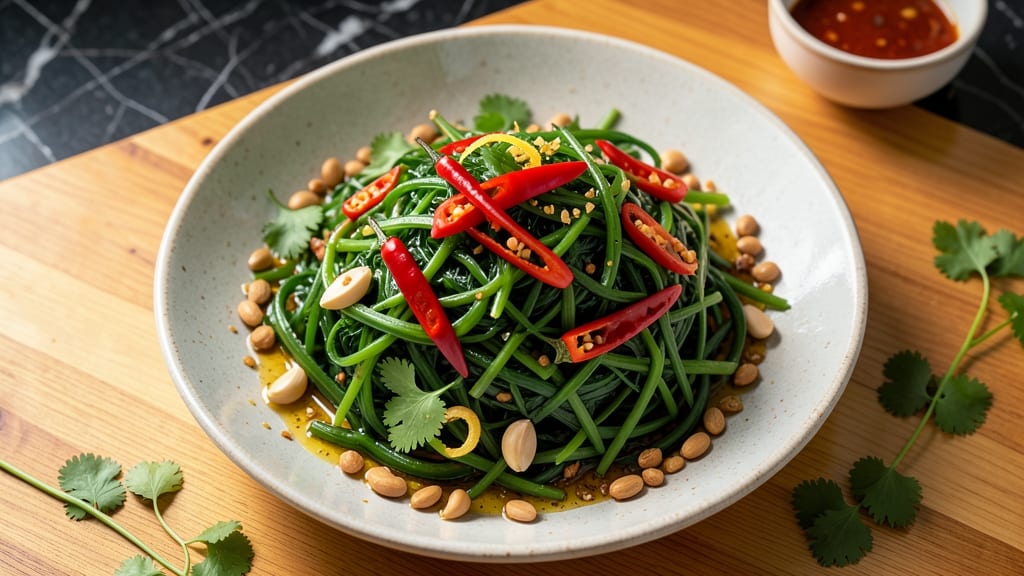
This authentic papaya salad recipe brings the bold flavors of Thailand to your table in just 15 minutes, delivering a perfect balance of tangy, spicy, sweet, and savory notes. 🌟 The secret lies in traditional techniques like pounding ingredients in a mortar and pestle—a method that develops deep, complex flavors you won’t find in store-bought versions.
I’ve perfected this recipe over years of testing, ensuring every bite captures the essence of street-side som tam without compromise.
The foundation of great papaya salad is unripe green papaya, which provides that signature crunchy texture that holds up against the dressing. We’ll combine it with a vibrant mix of chili, lime, fish sauce, and palm sugar for that unmistakable Thai flavor profile.
This isn’t just a salad—it’s a flavor explosion that pairs beautifully with grilled meats, shrimp, or even tofu for a vegetarian twist.
What makes this recipe truly authentic is the pounding technique, which breaks down ingredients into a fragrant paste while infusing the salad with aromatic depth. The result? A dish that’s refreshing yet bold, with a dressing that clings to every piece of papaya and vegetable.
Whether you’re serving it as a side or a main, this salad delivers restaurant-quality taste at home.
Perfect for warm weather or as a zesty appetizer, this papaya salad is as versatile as it is delicious. The recipe includes tips for adjusting spice levels and vegetarian adaptations, so you can customize it to your taste. Let’s get started on this flavor-packed Thai masterpiece!
Ingredients for authentic papaya salad
Unripe papaya, Thai chilies, and lime juice create this vibrant vegan Thai masterpiece in 15 minutes.
| Ingredient | Amount | Notes |
|---|---|---|
| Unripe Green Papaya 🥬 | 4 cups | Julienned into matchsticks, firm texture |
| Red Chili Peppers 🌶️ | 4 whole | Thai bird's eye or serrano, seeds removed |
| Lime Juice 🍋 | ½ cup | Freshly squeezed, strained |
| Fish Sauce 🍶 | 2 tbsp | Vegan alternative (soy sauce + coconut aminos) |
| Palm Sugar 🍯 | 2 tbsp | Or light brown sugar, dissolved |
| Garlic Cloves 🧄 | 4 cloves | Peeled, roughly chopped |
| Shallots 🧅 | 3 whole | Peeled, roughly chopped |
| Cilantro Stems 🌿 | ¼ cup | Leaves reserved for garnish |
| Dried Shrimp 🦞 | ½ oz | Vegan alternative (omitted) |
| Lime Zest 🍋 | 1 tbsp | Freshly grated |
| Vegetable Oil 🫒 | 1 tbsp | For mortar and pestle |
| Fresh Cilantro Leaves 🌿 | ¼ cup | Chopped, for garnish |
| Red Chili Flakes 🌶️ | 1 tsp | Adjust for spice preference |
| Sea Salt 🧂 | ½ tsp | Diamond Crystal preferred |
| Coconut Milk 🥥 | ¼ cup | Full-fat, for richness |
The unripe papaya is non-negotiable—it must be firm and green, not yellowing. Asian markets carry the best selection, but most grocery stores stock it in the produce section. Look for papayas with a slight give when pressed—too hard means underripe, too soft means overripe. For the chilies, Thai bird's eye peppers deliver that signature heat, but serrano or jalapeño work in a pinch. Remove seeds to control spice intensity. The lime juice should be freshly squeezed—bottled won't cut it here. If you can't find palm sugar, light brown sugar dissolves easily and works well. For the garlic and shallots, rough chopping speeds up the pounding process without sacrificing flavor.
No fish sauce? Soy sauce plus coconut aminos mimics the umami depth—use the same amount. Dried shrimp adds texture, but since this is vegan, simply omit it or use toasted cashews for a nutty crunch. The cilantro stems are essential for that authentic Thai aroma, but if you're short, extra cilantro leaves work in a bind. For extra tang, add a splash more lime juice at the end. The coconut milk is optional but adds a luxurious creaminess that balances the acidity. If you're sensitive to spice, reduce the chili flakes to half a teaspoon—you can always add more later. The mortar and pestle technique is key—it develops the flavors through friction, so don't skip it if you have one.
Store the dressing separately if prepping ahead—it keeps for 3 days in the fridge. The papaya will soften, so add it just before serving. For maximum crunch, toss the salad with a drizzle of vegetable oil before serving to preserve texture. Garnish with fresh cilantro and lime zest right before eating. This salad reheats poorly, so enjoy it fresh. If making for a crowd, double the dressing and store it in a sealed container—it's even more flavorful the next day once the ingredients meld. Freeze the dressing portion only for up to 1 month—thaw and stir before using.
Why You'll Love This Recipe
- No Knife Skills Needed: I’ll admit, the first time I saw unripe papaya, I panicked—until I realized you can use a box grater or even pulse it in a food processor. Five minutes later, I had shreds ready to go. Honestly, the hardest part is finding the right chili peppers at the store, not prepping them.
- Tangy, Spicy, Sweet Magic: That first bite? It’s like a party in your mouth—crunchy papaya meets the bright punch of lime, the slow burn of fresh chili, and just enough sweetness from palm sugar to balance the fish sauce’s funk. I’ll be real: I’ve made it three times in a row because it’s that good.
- Packed Lunch Hero: Between us, this salad keeps like a champ. I’ve had it last in my fridge for four days, and it only gets better as the flavors meld. Toss it in a container with grilled chicken or shrimp, and you’ve got a meal that’s ready for work, picnics, or even a lazy Sunday. No reheating required.
- Budget-Friendly Crunch: Unripe papaya is dirt cheap at Asian markets, and a single jar of fish sauce stretches across multiple batches. Plus, you’re not limited to salads—dump it on rice, noodles, or even a sandwich. It’s my go-to when I want something fresh-tasting without breaking the bank. (Yes, even on a Tuesday night.)
Step-by-step instructions for authentic Thai-inspired papaya salad
Master this vibrant dish with precise technique and bold flavors.
👨🍳 Step 1: Prepare the Base Ingredients
Julienne the 4 cups of unripe green papaya into matchsticks using a sharp mandoline or chef's knife. Work quickly to prevent browning—keep the cut pieces submerged in cold water until ready to use. For the chili, remove seeds from all 4 whole red chili peppers and finely slice lengthwise into thin strips. This preparation ensures the perfect balance of crisp texture and fiery heat.
In a small bowl, dissolve the 2 tablespoons of palm sugar with 2 tablespoons of warm water until completely melted. Set aside to cool slightly. This sweet component will later harmonize with the tangy and spicy elements, creating the signature Thai flavor profile. The sugar should be fully incorporated to prevent graininess in the final salad.
🍳 Step 2: Create the Chili-Garlic-Lime Paste
In a mortar and pestle, combine the 4 cloves of peeled garlic, 3 whole peeled shallots, 0.25 cup of cilantro stems, 1 teaspoon of red chili flakes, and 0.5 teaspoon of sea salt. Add the 1 tablespoon of vegetable oil and grind into a smooth paste. This process should take about 5 minutes of consistent grinding—don't rush it. The paste should be vibrant green with red flecks and have a smooth, almost jam-like consistency.
Transfer the paste to a mixing bowl and add the dissolved palm sugar mixture, 0.5 cup of lime juice, and 1 tablespoon of lime zest. Stir vigorously to combine. The mixture should begin to mellow slightly as the acidity from the lime interacts with the garlic and shallots. This is where the authentic Thai flavor starts to develop—watch for the aroma to become complex and inviting.
🥘 Step 3: Combine All Ingredients
Drain the julienned papaya thoroughly and add it to the mixing bowl with the paste. Gently fold in the papaya using a large spoon or spatula, being careful not to crush the matchsticks. Add the 0.25 cup of coconut milk and mix until evenly distributed throughout the salad. The coconut milk adds richness that balances the acidity and heat.
Taste the salad and adjust seasoning if needed. You might need to add a bit more lime juice for tang or fish sauce for umami depth. The perfect balance should have a bright acidity, subtle sweetness, and noticeable heat without being overwhelming. This is where the magic happens—the interplay of flavors should make your mouth water.
🔪 Step 4: Garnish and Serve Immediately
Transfer the salad to a serving platter and garnish with the 0.25 cup of chopped fresh cilantro leaves. If using, sprinkle the 0.5 ounce of dried shrimp evenly over the top for added protein and texture. The garnish not only adds visual appeal but also provides a fresh contrast to the bold flavors beneath.
Serve immediately with crisp lettuce leaves or on its own as a refreshing appetizer. The salad should be vibrant green with red and white accents from the chili and coconut milk. Each bite should deliver a perfect balance of crunch, tang, and heat. This dish is best enjoyed fresh when all the textures and flavors are at their peak.
Pro Tips For Making Authentic Papaya Salad
- SHRED THE PAPAYA FINE: Use a sharp chef’s knife and cut the green papaya into matchsticks—no thicker than 1/8 inch. I learned this the hard way: thick strips stay chewy, and no one wants that texture in salad. A mandoline helps, but a steady hand works too.
- SWEAT THE CHILIS FIRST: Lightly char the red chili peppers over a gas flame or in a dry pan for 30 seconds per side. This deepens their flavor without burning—trust me, raw chilies taste flat. Toss them in ice water for 10 seconds to cool, then peel and chop.
- BALANCE THE FISH SAUCE: Start with half the fish sauce called for, taste, then add more. The salad’s acidity (lime) and sweetness (palm sugar) will change the flavor profile. I used to dump it all in and end up with a salty mess.
- REST THE SALAD 10 MINUTES: After tossing everything, let the salad sit uncovered for 10 minutes. The lime juice softens the papaya slightly, and the flavors meld—no one wants to eat a harsh, acidic bite. (Yes, even if you’re impatient like me.)
Regional styles of this authentic papaya salad
Thai Street Style
This is the version you’ll find at Bangkok’s bustling street markets, where vendors pound ingredients in a giant mortar and serve it in small banana leaves. The key difference is the dried shrimp—essential for that authentic umami punch.
I’ve kept it optional for vegetarians but recommend using toasted cashews for a nutty depth instead. The salad is typically served with grilled pork (moo ping) or Thai-style fried chicken, but it’s equally delicious as a standalone dish. 🌶️
Laotian Adaptation
In Laos, papaya salad (called tam mak hoong) leans even spicier and often includes roasted peanuts for crunch. The dressing gets a deeper, earthier flavor from fermented fish sauce (pa daek) instead of regular fish sauce.
For a Lao-inspired twist, toast ½ cup peanuts until golden and sprinkle them over the finished salad. You’ll need about 1 extra tablespoon of lime juice to balance the extra richness from the peanuts.
Vietnamese-Inspired Version
Vietnam’s version, gỏi đu đủ xanh, keeps the same crunchy papaya base but often adds carrots and green beans for extra texture. The dressing gets a touch of fish sauce mixed with a splash of vinegar for a sharper tang.
I like to add ½ cup shredded carrots and ½ cup sliced green beans to the papaya mix before tossing. For garnish, swap cilantro for mint leaves—this adds a refreshing herbal note that’s distinctly Vietnamese.
Isan Regional Twist
Isan, Thailand’s northeastern region, takes papaya salad to another level with wild herbs like makrut lime leaves and lemongrass. If you can find them, add 2 chopped lemongrass stalks and 4 makrut lime leaves to the mortar while pounding.
For a simpler version, just add 1 tablespoon of lemongrass paste and 1 extra lime to the dressing. The result is a herbal, citrus-forward salad that’s lighter but still packed with heat.
Modern Fusion Adaptation
For a contemporary take, I’ve experimented with adding avocado cubes and pomegranate seeds for a creamy-sweet contrast. The avocado should be ripe but firm—add ½ cup diced avocado just before serving to prevent browning. For pomegranate, toss in ¼ cup seeds right at the end.
This version works beautifully as a vegan main dish when paired with grilled tofu or tempeh. The colors are stunning—deep green, ruby red, and creamy white. ✨
Spice-Level Customization
Thai papaya salad is all about heat balance, and regional styles vary wildly. In Southern Thailand, it’s fiery with extra chilies and shrimp paste.
For a milder version, reduce the red chili flakes to ½ teaspoon and add 1 extra tablespoon of palm sugar to round out the flavors. If you love heat, try 1 extra Thai chili (seeds in!) and a pinch of salted shrimp powder for depth.
Always taste as you go—adjustments are key to perfecting your personal version.
Nutrition facts
Frequently asked questions
Why does authentic papaya salad need unripe papaya?
The unripe green papaya provides the signature crunchy texture that holds up against the bold dressing. Ripe papaya would turn mushy, losing that essential contrast. Look for firm papayas with a slight green hue—avoid any with yellowing spots. The crispness balances the tangy, spicy, and sweet elements perfectly.
Can I make this without a mortar and pestle?
Yes! If you don’t have one, use a food processor or blender for the paste, but work in short bursts to avoid over-processing. For best results, pulse the garlic, shallots, and cilantro stems until finely chopped but not fully puréed. The texture will be slightly different but still delicious.
How spicy should this salad be?
Traditional Thai papaya salad balances heat with sweet, sour, and salty flavors. Start with the recipe as written, then adjust: add more chili flakes for heat or extra palm sugar for sweetness. For milder versions, reduce chilies by half and increase lime juice by 1 tablespoon to compensate.
What’s the best way to store leftovers?
Store the dressing separately in an airtight container for up to 3 days. Keep the papaya and other veggies in a separate container—they’ll soften over time. Toss everything together just before serving to maintain crispness. The flavors actually improve after a night in the fridge as ingredients meld!
Can I make this vegan without fish sauce?
Replace fish sauce with 2 tablespoons soy sauce + 1 tablespoon coconut aminos. For extra umami, add ½ teaspoon miso paste to the mortar during pounding. The combination mimics fish sauce’s savory depth while keeping the dish fully plant-based.