
Sauces & Condiments
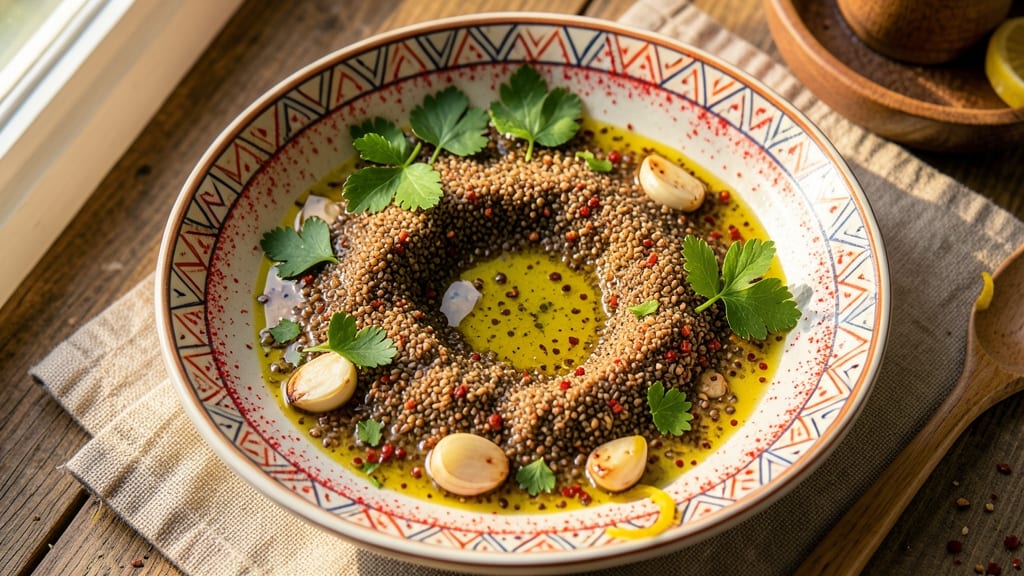
This authentic fattoush salad dressing captures the bright, tangy essence of Lebanon in every drop. The secret lies in balancing sumac's citrusy punch with fresh herbs and high-quality olive oil—no shortcuts, just traditional flavors that transform any salad into a taste of the Mediterranean.
I've perfected this recipe over years of testing, ensuring the dressing stays vibrant and full of character without overpowering the salad's crunchy elements.
The foundation is simple yet precise: sumac for that signature tang, lemon juice for brightness, and a touch of garlic for depth. Fresh herbs like parsley and mint add freshness, while olive oil carries all the flavors together.
What makes this dressing truly special is how it enhances rather than dominates—each component plays its part in harmony, creating a dressing that's as versatile as it is authentic.
What you'll achieve is a dressing that's tangy, aromatic, and perfectly balanced—ideal for drizzling over fattoush or any fresh salad. The sumac provides that distinctive zing, while the herbs and olive oil create a smooth, cohesive finish.
This isn't just a dressing; it's a flavor experience that brings the essence of Lebanon to your table.
Whether you're serving it with traditional fattoush or using it to elevate a simple green salad, this dressing delivers restaurant-quality results at home. The ingredients are straightforward, and the process is simple, but the impact is undeniable.
Let's dive into the recipe and bring that authentic Lebanese flavor to your kitchen.
Ingredients for authentic fattoush salad dressing
Nine simple ingredients transform into Lebanon's signature tangy, herby dressing.
| Ingredient | Amount | Notes |
|---|---|---|
| Sumac 🌶️ | 2 tbsp | Finely ground, for signature tang |
| Fresh Lemon Juice 🍋 | ¼ cup | Freshly squeezed, for brightness |
| Extra-Virgin Olive Oil 🫒 | ½ cup | High-quality, fruity variety |
| Fresh Flat-Leaf Parsley 🌿 | ¼ cup | Stems included, finely chopped |
| Fresh Mint Leaves 🍃 | ⅛ cup | Finely chopped, for freshness |
| Garlic Cloves 🧄 | 2 cloves | Minced, for subtle depth |
| Ground Cumin 🌿 | ½ tsp | Toasted for warmth |
| Diamond Crystal Kosher Salt 🧂 | ½ tsp | Fine grain, for seasoning |
| Ground Black Pepper 🌶️ | ¼ tsp | Freshly cracked, for finish |
Sumac is the star here—look for vibrant, fine-ground sumac at Middle Eastern markets or specialty stores like Whole Foods. The bright red color means it's fresh, not dusty. Fresh herbs are non-negotiable: parsley and mint from the grocery store's produce section (not the wilted plastic containers) will give you the best flavor. For garlic, smash the cloves with the side of your knife before mincing—it releases more flavor. The olive oil should be extra-virgin, with a peppery finish—California Olive Ranch or Colavita are great choices.
No sumac? Substitute lemon zest plus a pinch of smoked paprika for that citrusy kick, though it won't be identical. Short on mint? Dill or cilantro at half the amount works in a pinch. The cumin can be swapped for ground coriander, but it'll change the flavor profile slightly. For the olive oil, avocado oil is a neutral alternative if you're avoiding olive's fruitiness. The dressing keeps well without the herbs, but freshness makes all the difference—add herbs last if prepping ahead.
This dressing stays vibrant for 5 days in the fridge, sealed in an airtight jar with a thin layer of olive oil on top. For longer storage, freeze in ice cube trays—thaw and whisk before using. The sumac loses potency over time, so make fresh batches when you can. A little goes a long way—start with 1 tablespoon and adjust to taste. It's perfect for drizzling over fattoush, but also elevates grain bowls, grilled meats, or even roasted vegetables.
Why You'll Love This Recipe
- Five-Ingredient Magic: I swear by this—just sumac, lemon, oil, and two herbs. No fancy techniques, no stress. Honestly, the hardest part is remembering to buy sumac, and once you’ve got it, you’re golden.
- Tangy Zing: That first sprinkle of sumac on your tongue? It’s like a bright, citrusy punch that lingers just right. The mint and parsley add freshness, but the sumac steals the show—every time.
- Weeknight & Weekend: Drizzle it over grilled chicken, toss it with roasted veggies, or serve it straight with warm pita. It’s my go-to for lazy dinners or when I’m hosting—minimal effort, maximum wow.
- Dressing That Lasts: Make a big batch (it keeps for days in the fridge) and use it all week. Between us, I’ve had it on eggs, soups, and even as a marinade—versatile enough to make you forget it’s just dressing.
Step-by-step instructions for authentic fattoush salad dressing
This dressing brings the soul of Lebanon to your table—bright, tangy, and herb-forward.
Toast the Cumin for Warmth
In a small dry skillet over medium-low heat, toast the 0.5 teaspoon ground cumin for 1-2 minutes until fragrant and slightly darker in color. This step unlocks the cumin's aromatic oils, giving your dressing that signature Lebanese depth. Stir constantly to prevent burning—you want it warm, not smoky.
Transfer the toasted cumin immediately to a small bowl and let it cool for 5 minutes. This cooling step ensures the cumin won't cook the herbs later. Real talk: Skipping this toasting step means missing that warm, earthy backbone that makes this dressing authentic.
Blend the Herbs and Garlic
In a food processor or mortar and pestle, combine the 0.25 cup fresh flat-leaf parsley (stems included), 0.125 cup fresh mint leaves, and 2 minced garlic cloves. Pulse or grind until you achieve a fine, paste-like consistency—this ensures even distribution in the dressing. You should have about 2 tablespoons of herby green paste.
Here's the thing—using stems adds subtle bitterness that balances the sweetness of the herbs. If you're using a food processor, pulse in short bursts to avoid over-processing, which can turn the herbs into a bitter paste. The texture should be smooth but still retain some visible flecks of herb.
Whisk the Lemon and Sumac Base
In a medium bowl, whisk together the 0.25 cup fresh lemon juice and 2 tablespoons sumac until the sumac dissolves completely. The mixture should turn a vibrant, cloudy yellow with a hint of pink from the sumac. This is your flavor foundation—the tangy brightness of the lemon and the citrusy punch of the sumac.
I like to whisk vigorously for about 30 seconds to fully aerate the mixture. This step is critical for authentic flavor—sumac needs to be fully incorporated to avoid grainy texture. If you see any undissolved sumac, strain the mixture through a fine-mesh sieve to ensure a silky dressing.
Combine All Ingredients for the Dressing
Add the toasted cumin, herb paste, 0.5 cup extra-virgin olive oil, 0.5 teaspoon Diamond Crystal kosher salt, and 0.25 teaspoon ground black pepper to the lemon-sumac mixture. Whisk vigorously for 2-3 minutes until the dressing emulsifies into a smooth, vibrant green sauce.
The olive oil should be high-quality—you'll taste the difference. As you whisk, the dressing will gradually thicken and become glossy. If it looks too thick, add 1-2 teaspoons of water to reach your desired consistency. The final texture should coat the back of a spoon without being gluey.
Rest and Adjust for Perfect Balance
Cover the bowl and let the dressing rest at room temperature for 15-20 minutes. This resting period allows the flavors to meld and the sumac to fully integrate. Taste and adjust seasoning—you might need a touch more salt or lemon juice to achieve that perfect balance of tang, herbaceousness, and warmth.
For the best results, use the dressing within 24 hours for maximum freshness. The longer it sits, the more the sumac's flavor will mellow. Store any leftovers in an airtight container in the refrigerator. This dressing is the heart of your fattoush—authentic, vibrant, and packed with character.
Pro Tips For Making Authentic Fattoush Salad Dressing
- STIR THE SUMAC DRY: I learned this the hard way—dumping sumac directly into wet ingredients clumps it into gritty lumps that ruin the texture. Instead, whisk it into the olive oil first, then add lemon juice. The oil coats the sumac, dissolving it into a silky, tangy paste that blends seamlessly.
- USE COLD PRESS OIL: Extra-virgin olive oil is non-negotiable, but not all EVOs play nice in fattoush. Skip the "light" or overly fruity oils—go for a peppery, robust cold-press variety. It cuts through the lemon’s acidity better and stands up to sumac’s sharpness without turning bitter.
- CHOP HERBS FINE: Big parsley stems and mint leaves don’t disappear—they turn the dressing into a mouthful of texture, not flavor. Pulse them in a food processor for 3–4 seconds or chop by hand until they’re almost paste-like. Yes, it looks weird, but it works every time.
- LEMON JUICE FIRST: Add lemon juice before the herbs—this stops them from wilting into a sad, watery mess. The acidity also helps emulsify the dressing so it clings to the salad instead of pooling at the bottom. (Pro move: Use freshly squeezed juice—bottled lacks the bright punch.)
Serving suggestions for this recipe
Fattoush Salad Pairings
This dressing transforms a simple fattoush salad into a vibrant, restaurant-quality dish. Serve it with warm pita bread on the side for scooping up every last bite of the crispy croutons and fresh veggies. The dressing's tangy brightness cuts through the richness of the pita, creating a perfect balance. 🌿
For an elevated experience, pair your fattoush with grilled lamb chops or marinated chicken skewers. The dressing's herby notes complement the smoky char of grilled meats, while the sumac's tang adds a refreshing contrast. I love serving it alongside hummus and baba ganoush for a full Middle Eastern spread.
Drizzling Techniques
Drizzle the dressing generously over your salad just before serving to preserve its vibrant color and freshness. Start with 2-3 tablespoons and taste—you can always add more, but it's hard to fix an over-dressed salad.
For extra flair, use a fine-mesh strainer to create a delicate drizzle pattern over the top.
If you're prepping ahead, store the dressing separately and drizzle it right before serving. The sumac's flavor intensifies when exposed to air, so adding it last keeps the dressing bright and tangy. A light drizzle over roasted eggplant or zucchini also makes for a fantastic side dish.
Global Adaptations
This dressing works beautifully beyond traditional fattoush. Toss it with quinoa or farro salads for a protein-packed meal, or drizzle it over grilled vegetables like bell peppers and zucchini. The sumac and herbs add a Mediterranean twist to any dish, making it a versatile pantry staple.
For a fusion twist, try mixing it into tahini-based dressings for a nutty-herby blend, or use it as a marinade for chicken or fish before grilling. The dressing's bright acidity helps tenderize proteins while infusing them with authentic Lebanese flavor. 🌍
Nutrition facts
Frequently asked questions
Can I make this dressing without sumac?
Yes, but the flavor will differ. For a similar tang, mix 1 teaspoon lemon zest with ½ teaspoon smoked paprika and ½ teaspoon dried oregano. The dressing will still be bright and herby, but the signature sumac zing will be missing. For best results, try to find sumac at Middle Eastern markets or specialty stores.
How long does this dressing keep in the fridge?
The dressing stays fresh for 5 days when stored in an airtight container in the refrigerator. For longer storage, freeze it in ice cube trays—thaw and whisk before using. The sumac loses some potency over time, so fresh batches taste best. Always store it with a thin layer of olive oil on top to preserve freshness.
Is this dressing vegan?
Yes! This recipe is naturally vegan as written, with no dairy or animal products. The sumac, lemon, herbs, and olive oil create a vibrant, plant-based dressing perfect for vegan or vegetarian meals. If you're using this for a vegan fattoush, ensure your croutons and other salad ingredients are also plant-based.
Can I use dried herbs instead of fresh?
Fresh herbs are ideal for authentic flavor, but you can substitute dried herbs in a pinch. Use 1 tablespoon dried parsley and 1 teaspoon dried mint (about ¼ of the fresh amount). Crush the dried herbs between your palms to release their oils before adding to the dressing. The texture won't be as vibrant, but the flavor will still be delicious.
Why does my dressing look grainy?
Graininess usually means the sumac didn't dissolve fully. Whisk or blend the dressing longer, or strain it through a fine-mesh sieve to remove any undissolved sumac. For a smoother texture, ensure the sumac is finely ground and whisk vigorously with the lemon juice before adding other ingredients. A quick pulse in a blender can also help emulsify everything.