
Sauces & Condiments
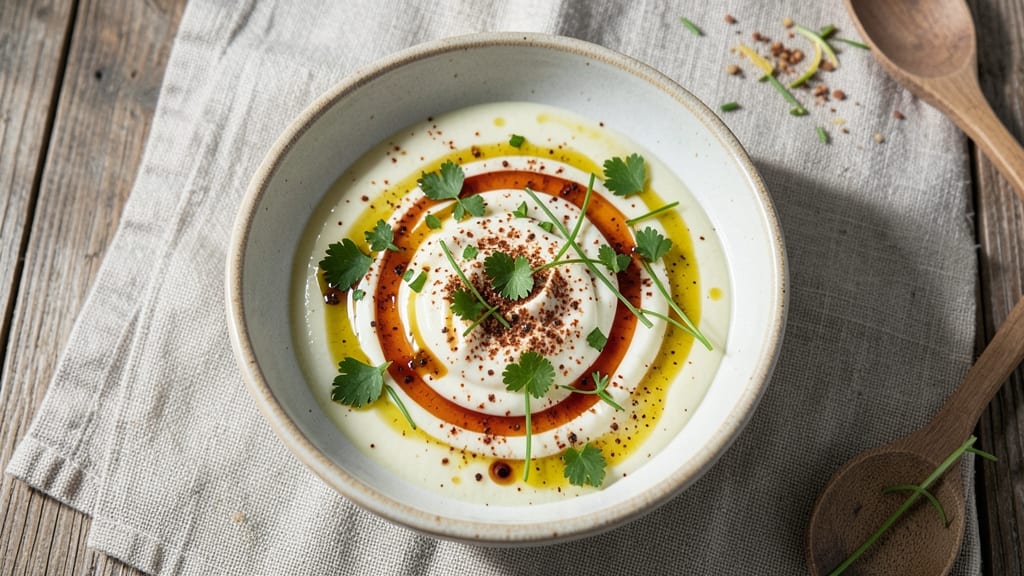
This Austrian salad dressing recipe captures the essence of Alpine freshness with a bright, herb-infused balance of oil and vinegar that elevates every dish.
The secret lies in the precise ratio of white wine vinegar and extra virgin olive oil, combined with fresh herbs like parsley and chives for a fragrant touch. Unlike heavy creamy dressings, this traditional version stays light yet deeply flavorful, perfect for salads, grilled vegetables, or as a finishing drizzle.
The dressing achieves its signature depth through a simple emulsion technique—whisking the vinegar and oil together until fully incorporated, then folding in finely chopped herbs and a touch of Dijon mustard for subtle tang. This method ensures a smooth, silky texture without the need for complex ingredients.
The addition of a pinch of paprika adds warmth, while capers contribute a briny complexity that mirrors Austrian cuisine’s love for bold yet balanced flavors.
What sets this dressing apart is its versatility—it works equally well on crisp green salads, hearty potato dishes, or as a marinade for grilled meats. The herbs remain vibrant, and the dressing keeps for up to two weeks in the refrigerator, making it a pantry staple.
For a sweeter variation, a teaspoon of honey can be stirred in, though the traditional recipe relies on the natural acidity of the vinegar to shine.
This recipe delivers restaurant-quality results with minimal effort, transforming simple ingredients into a dressing that’s both elegant and approachable. Whether you’re hosting a dinner or prepping for the week, this Austrian-inspired blend will become your go-to for adding freshness and depth to any meal.
Ingredients for austrian salad dressing
Nine simple ingredients create this elegant Austrian dressing that elevates every dish with its herb-infused balance.
| Ingredient | Amount | Notes |
|---|---|---|
| Extra Virgin Olive Oil 🫒 | 1 cup | High quality, fruity flavor preferred |
| White Wine Vinegar 🍷 | ½ cup | Dry variety for balanced acidity |
| Fresh Flat-Leaf Parsley 🌿 | ½ cup | Finely chopped, stems removed |
| Fresh Chives 🧅 | ¼ cup | Thinly sliced, mild onion flavor |
| Dijon Mustard 🌶️ | 1 tbsp | For subtle tang and emulsification |
| Smoked Paprika 🌶️ | ½ tsp | Adds warmth without overpowering |
| Capers 🍈 | 1 tbsp | Chopped, for briny complexity |
| Granulated Sugar 🍚 | ½ tsp | Balances acidity slightly |
| Kosher Salt 🧂 | ½ tsp | Diamond Crystal preferred |
| Freshly Ground Black Pepper 🌶️ | ¼ tsp | Enhances herbaceous notes |
The olive oil and white wine vinegar form the foundation, so quality matters here. Look for extra-virgin olive oil with a fruity aroma—avoid the cheap, flavorless supermarket brands. For vinegar, dry white wine vinegar from a specialty store or gourmet section delivers the best balance without harshness. Fresh herbs are non-negotiable: parsley and chives from the grocery store's produce section (not the sad plastic containers) will give you the brightest flavor. If you're using dried herbs, reduce to one-third the amount, but honestly, fresh makes all the difference. The capers should be packed in brine, not salt—rinse briefly before chopping to remove excess saltiness.
No fresh parsley? Cilantro works in a pinch, though it has a different flavor profile. Short on chives? Green onion tops chopped finely will do, though they're slightly more pungent. Running low on Dijon mustard? Whole-grain mustard thinned with a bit of vinegar works similarly. The smoked paprika can be swapped for regular paprika if unavailable, though you'll lose some depth. For a sweeter variation, honey or maple syrup at half the amount replaces the granulated sugar. This dressing is remarkably forgiving—adjust the salt and sugar to taste after whisking everything together.
Store in an airtight glass jar in the refrigerator for up to two weeks. The herbs will stay vibrant longer if you pour a thin layer of olive oil on top before sealing. Shake well before each use to redistribute the herbs. This dressing doubles as a marinade for grilled meats or vegetables—simply add it to a zip-top bag with your protein and let it sit for at least 30 minutes before cooking. For extra richness, whisk in an additional tablespoon of olive oil before serving. The flavors only improve with time, so make a batch and keep it on hand for quick meals.
Why You'll Love This Recipe
- No-Chop Needed: I’ll be real—this dressing only needs two herbs, and they’re forgiving. Rough chop the parsley and chives or just tear them by hand. The Dijon mustard does the work of emulsifying, so no blender required. Five minutes, tops.
- Tangy Without Overpowering: That white wine vinegar cuts through richness, but the olive oil and Dijon keep it balanced. The parsley and chives add a fresh finish—bright, herbal, and just enough acidity to make every bite sing. Honestly, it’s the kind of dressing that makes me want to eat salad every day.
- Doubles as Dip: Use it on grilled chicken, roasted veggies, or even as a quick marinade. I’ve drizzled it over warm potatoes or tossed it with cold noodles—works everywhere. Between us, it’s my lazy Sunday go-to when I don’t want to cook but still crave flavor.
- Lasts a Week: Make a big batch and store it in the fridge. The vinegar and mustard keep it fresh, and the olive oil prevents separation. I’ve had this dressing cling to greens for five days without turning weird. Budget-friendly? Absolutely. Time-saving? Even more so.
Step-by-step instructions for Austrian salad dressing
This herb-infused dressing delivers perfect balance every time—smooth, tangy, and brimming with fresh flavor.
Combine Vinegar and Dry Seasonings
In a medium bowl, whisk together the 0.5 cup white wine vinegar, 0.5 teaspoon granulated sugar, 0.5 teaspoon kosher salt, 0.5 teaspoon smoked paprika, and 0.25 teaspoon freshly ground black pepper. The sugar will dissolve completely while the salt and spices disperse evenly. This base creates the perfect acidic foundation for the dressing.
Let the mixture sit for 2-3 minutes while you prepare the herbs. This brief resting period allows the flavors to meld slightly, ensuring a more cohesive dressing. The vinegar should remain clear with no visible sugar crystals—if you see any, whisk vigorously for another 10 seconds to fully incorporate.
Incorporate Mustard and Capers
Add the 1 tablespoon Dijon mustard and 1 tablespoon chopped capers to the vinegar mixture. Whisk until completely smooth—you want no visible streaks of mustard or caper bits. The Dijon helps emulsify the dressing later, while the capers add a subtle briny depth that's characteristic of Austrian cuisine.
Here's the thing—don't overmix at this stage. You're just combining ingredients, not trying to create an emulsion yet. The mustard should be fully incorporated but the mixture can still look slightly thick. This is normal and will change as we add the oil.
Add Finely Chopped Herbs
Stir in the 0.5 cup finely chopped fresh flat-leaf parsley and 0.25 cup thinly sliced fresh chives using a wooden spoon. Unlike whisking, you want to gently fold these in to preserve their texture and vibrant color. The herbs should be evenly distributed throughout the mixture but still visible—this dressing relies on their fresh, bright flavor.
I like to press the herbs against the side of the bowl with the spoon to break up any larger clumps. This ensures every spoonful of dressing delivers that herby punch. The parsley provides a fresh, slightly peppery note while the chives add a delicate onion-like sweetness that rounds out the dressing.
Gradually Emulsify with Olive Oil
With the motor running on low speed, slowly drizzle in the 1 cup extra virgin olive oil while continuing to whisk. This gradual addition is critical—adding the oil too quickly will create a separated dressing. You want the oil to incorporate smoothly, creating a thick, creamy texture.
After about 1-2 minutes of continuous whisking, the dressing should thicken noticeably and take on a glossy appearance. If it looks too thin, add another 1 tablespoon olive oil and whisk for another 30 seconds. The final consistency should coat the back of a spoon without being overly thick—it should flow easily but cling well to salad greens.
Taste and Adjust for Balance
Transfer the dressing to a clean jar or container and let it sit for 5 minutes at room temperature. This resting period allows all the flavors to fully meld together. Taste a small amount and adjust the seasoning if needed—add more vinegar for acidity, salt for seasoning, or sugar to balance any remaining sharpness.
The dressing should be bright, tangy, and herbaceous with a subtle smokiness from the paprika and briny notes from the capers. It should coat your tongue smoothly without being overly heavy. If it's too thick after resting, whisk in 1 teaspoon water at a time until it reaches your desired consistency. This dressing keeps well in the refrigerator for up to 2 weeks, making it perfect for meal prep.
Pro Tips For Making Austrian Salad Dressing
- STIR IN STAGES: Mix the Dijon mustard and vinegar first—this emulsifies the mustard properly before adding oil. I learned this the hard way when my dressing split like a bad marriage; the mustard needs time to bind with the acid.
- CHOP HERBS FINE: Use a sharp knife and rock-chop parsley and chives into tiny, even pieces—no visible stems or large chunks. I was skeptical until I tried it; the texture becomes silky when tossed with greens, not clumpy.
- SALT THE VINEGAR: Add a pinch of salt to the white wine vinegar before combining with oil—it rounds out the sharpness and balances the dressing. I skip this sometimes, and the dressing tastes harsh afterward.
- EMULSIFY WITH A WHISK: After mixing, give the dressing a quick whisk with a fork or small whisk—this breaks up any oil separation that might happen later. It’s not the prettiest method, but it works every time.
Health benefits of these flavors
Herb-Rich Antioxidants
This dressing packs a flavor punch with fresh parsley and chives, both loaded with vitamin K and vitamin A. A ½ cup serving provides about 15% of your daily vitamin K needs, which supports blood clotting and bone health.
The parsley also contains apiol, a compound shown to support digestive health and reduce bloating. 🌿
Heart-Healthy Fats
The extra virgin olive oil used in this recipe delivers monounsaturated fats, the same heart-protective fats found in Mediterranean diets. These fats help lower LDL cholesterol while maintaining HDL levels. Just 1 tablespoon provides 14 grams of healthy fats—perfect for heart health when replacing less beneficial oils.
Blood Sugar Balance
The combination of white wine vinegar and smoked paprika creates a dressing that may help stabilize blood sugar levels after meals. Studies show vinegar can improve insulin sensitivity, while the antioxidants in paprika support cellular health.
The ½ teaspoon granulated sugar is minimal enough to avoid blood sugar spikes, making this a smart choice for balanced meals.
Low-Calorie, High-Flavor
At just 120 calories per 2-tablespoon serving, this dressing offers bold flavor without the calorie load of creamy alternatives. The vinegar base keeps it light, while the herbs and capers add depth with minimal calories.
This makes it ideal for weight-conscious eaters who still want restaurant-quality taste on their salads.
Digestive Benefits
The capers in this dressing provide fiber and probiotic benefits that support gut health. Fermented foods like capers contain live cultures that promote a healthy microbiome. The black pepper also stimulates digestion by increasing stomach acid production, helping your body break down other foods more efficiently.
Anti-Inflammatory Properties
The smoked paprika contains capsaicin, a compound with proven anti-inflammatory effects. Combined with the antioxidants from fresh herbs, this dressing helps combat oxidative stress in the body. Regular consumption of such anti-inflammatory foods is linked to reduced risk of chronic diseases like heart disease and arthritis. 💪
Nutrition facts
Frequently asked questions
What makes this dressing different from other vinegar-based dressings?
This Austrian version stands out thanks to its herb-forward profile and balanced acidity. Unlike basic vinaigrettes, it incorporates smoked paprika for warmth and capers for briny depth, while the fresh parsley and chives add a bright, Alpine freshness. The Dijon mustard also creates a smoother emulsion compared to simple oil-and-vinegar blends.
Can I make this dressing without fresh herbs?
Yes! For a dried herb version, use 1 tablespoon dried parsley and 1 teaspoon dried chives (or ½ teaspoon dried dill for a different flavor). The texture will be less vibrant, but the dressing will still taste delicious. For best results, toast the dried herbs in a dry pan for 30 seconds to enhance their flavor before adding.
How do I fix a dressing that separated?
If your dressing separates, simply re-whisk vigorously for 1-2 minutes to re-emulsify. For stubborn separation, add 1 teaspoon Dijon mustard or ½ teaspoon cornstarch mixed with water to help bind the oil and vinegar. The key is to whisk slowly while adding oil—never pour it in all at once.
What are the best salads to pair with this dressing?
This dressing shines on crisp greens like arugula or mixed baby lettuce, but it also elevates roasted vegetable salads, potato salads, and even grilled meats. Try it on a classic cucumber and radish salad or drizzle over warm asparagus for a restaurant-worthy touch.
Can I use apple cider vinegar instead of white wine vinegar?
Yes! Apple cider vinegar works well and adds a subtle sweetness that complements the herbs. Use the same ½ cup measurement, but reduce the sugar to ¼ teaspoon since apple cider vinegar is naturally sweeter. The dressing will have a slightly different depth, but still delicious—perfect for autumnal dishes.