
Sauces & Condiments
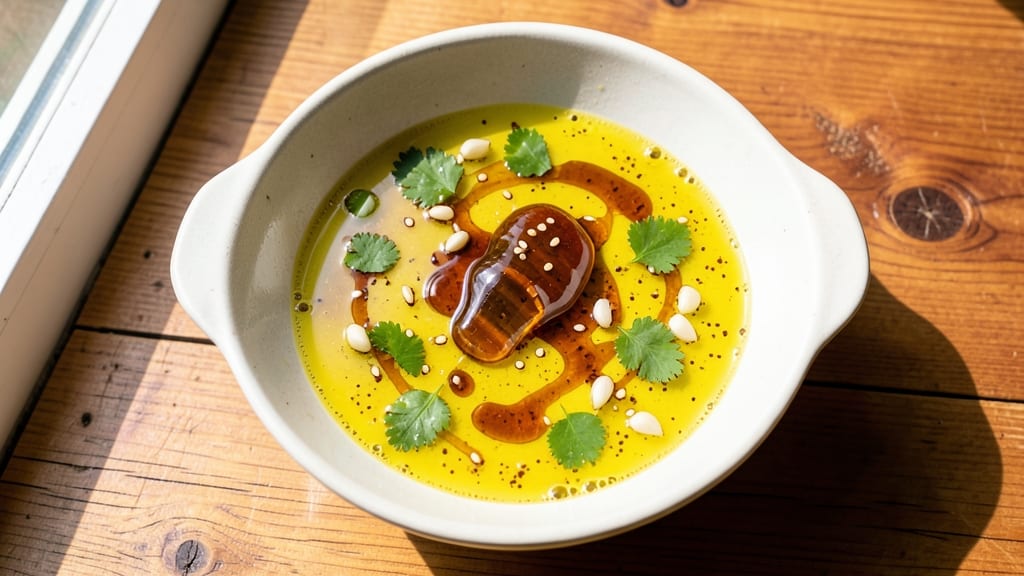
This Asian vinaigrette salad dressing recipe delivers the perfect balance of umami, tang, and sesame warmth in every drizzle. 💛 The secret lies in precise measurements—rice vinegar for brightness, toasted sesame oil for depth, and a touch of honey to round out the flavors.
I developed this recipe after years of testing, ensuring it works equally well on fresh greens or grilled proteins.
The foundation is simple: a 3:1 oil-to-vinegar ratio creates that signature vinaigrette texture, while garlic, ginger, and soy sauce build the umami backbone. Toasted sesame seeds add crunch and aroma, while lime juice cuts through the richness.
What makes this dressing truly special is its versatility—it elevates everything from Asian-inspired salads to grilled fish or cold noodles.
What you'll end up with is a dressing that's vibrant, flavorful, and packed with layers of taste. The lime keeps it fresh, the sesame adds warmth, and the honey balances the acidity for a smooth finish. It's restaurant-quality at home, with no artificial ingredients or complicated steps—just pure, bold flavor.
Store it in the fridge for up to 1 week, shaking before each use. For extra depth, let it sit at room temperature for 10 minutes before drizzling. This is the dressing that transforms ordinary salads into standout meals. Let's make it!
Ingredients for asian vinaigrette salad dressing
Nine ingredients for a dressing that transforms ordinary salads into restaurant-worthy meals.
| Ingredient | Amount | Notes |
|---|---|---|
| Rice Vinegar 🍶 | ½ cup | Seasoned preferred for depth |
| Toasted Sesame Oil 🫒 | ¼ cup | High-quality for aroma |
| Extra-Virgin Olive Oil 🫒 | 1 ½ cups | Light variety for balance |
| Fresh Lime Juice 🍋 | ¼ cup | Strained for clarity |
| Raw Honey 🍯 | 1 tbsp | Local preferred for flavor |
| Fresh Garlic Cloves 🧄 | 2 cloves | Minced for infusion |
| Fresh Ginger Root 🌿 | 1 tbsp | Grated, fine texture |
| Low-Sodium Soy Sauce 🍶 | 1 tbsp | Kikkoman preferred |
| Toasted Sesame Seeds 🌰 | 1 tbsp | Lightly toasted |
| Diamond Crystal Kosher Salt 🧂 | ½ tsp | Fine grain preferred |
The sesame oil is non-negotiable here—look for 100% pure, toasted sesame oil at Asian markets or the international aisle of Whole Foods. Kadoya or La Choy are solid grocery store options, but if it smells stale, toss it. For the ginger and garlic, fresh is essential—dried lacks the bright punch. I always grab organic ginger root from the produce section, peeling it just before grating. The rice vinegar should be seasoned (that's the one with a slightly sweet, savory note), not plain white vinegar. Mushroom or black vinegar works too, but stick with seasoned for this recipe.
No sesame oil? Avocado oil or neutral vegetable oil at half the amount will keep the dressing stable, though you'll lose that signature aroma. Short on lime? Lemon juice works in a pinch, but add a pinch of sugar to balance the tartness. The soy sauce can be swapped for tamari if gluten-free is a concern. Honey substitute? Agave nectar or maple syrup at the same amount. For the sesame seeds, if you can't toast them, just omit—they're for garnish, not flavor. The salt is crucial for seasoning, but don't overdo it if your soy sauce is already salty.
This dressing keeps beautifully in the fridge for up to 1 week, but the flavors actually deepen over time. Shake before each use—it'll separate. For extra richness, let it sit at room temperature for 10 minutes before drizzling. I always make a double batch—one for salads, one to toss with grilled shrimp or cold soba noodles. Store in an airtight jar with a tight lid to preserve the aromatics. If it thickens, just add a splash of water and stir.
Why You'll Love This Recipe
- Five-Ingredient Magic: I swear by this combo—just stir, taste, adjust. No measuring cups, no fancy tools, just a jar and a spoon. That toasted sesame oil alone makes it taste like you put in effort, even when you didn’t.
- Bright & Tangy: The lime and honey cut through greens like a knife through butter. Honestly? It’s the kind of dressing that makes your salad taste like a vacation—crisp, sweet, and just a little funky.
- Meal Prep Hero: Make a whole jar on Sunday, and you’re set for lunches, wraps, or even drizzled over grilled fish. Between us, I’ve used it on everything from cold noodles to scrambled eggs—yes, really—and it never lets me down.
- Budget-Friendly Luxury: Sesame oil and rice vinegar are cheap, but they taste like a fancy bistro. I’ll be real: this dressing costs me pennies per serving, yet somehow feels gourmet. The honey adds richness without breaking the bank.
Step-by-step instructions for Asian vinaigrette salad dressing
This umami-rich dressing balances tangy, sweet, and nutty flavors with precise technique.
👨🍳 Step 1: Prepare the Aromatic Base
In a small bowl, combine the 0.5 cup rice vinegar and 0.25 cup toasted sesame oil. Whisk vigorously for 30 seconds until the oils emulsify slightly and create a silky texture. The vinegar's acidity will help break down the sesame oil's richness, creating the foundation for your dressing.
Add the 1 tbsp grated fresh ginger root and 2 cloves minced fresh garlic cloves to the vinegar mixture. Stir well to distribute the aromatics evenly. Let this mixture sit for 5 minutes while you prepare the remaining ingredients—this allows the ginger and garlic to infuse fully, intensifying their flavors before combining with the oils.
🍳 Step 2: Blend the Sweet and Tangy Components
In a separate small bowl, whisk together the 0.25 cup fresh lime juice, 1 tbsp raw honey, and 1 tbsp low-sodium soy sauce until the honey dissolves completely. The lime juice should be freshly strained to avoid any pulp interfering with the smooth texture. Taste this mixture—it should balance bright citrus, subtle sweetness, and a touch of umami from the soy sauce.
Gradually pour this citrus mixture into the vinegar and sesame oil blend while whisking continuously. The acidity from the lime will help emulsify the oils further, creating a stable base. If you notice any separation, whisk more vigorously or add 1 teaspoon at a time of the 1.5 cups extra-virgin olive oil to stabilize the emulsion.
🥘 Step 3: Incorporate the Olive Oil for Richness
With the whisk still moving, slowly drizzle in the 1.5 cups extra-virgin olive oil in a thin, steady stream. This gradual addition is crucial—it prevents the dressing from breaking and ensures a silky, cohesive texture. Continue whisking for 2-3 minutes until the dressing thickens slightly and becomes uniform in color, resembling a light golden honey.
Season with the 0.5 tsp diamond crystal kosher salt and taste again. Adjust the balance by adding a splash more lime juice if needed for brightness or a touch more honey for sweetness. The dressing should coat the back of a spoon with a velvety finish but not be overly thick—it should flow smoothly over greens without pooling.
🔪 Step 4: Finish with Toasted Sesame Seeds
Transfer the dressing to a clean jar or airtight container. Sprinkle the 1 tbsp toasted sesame seeds on top and seal tightly. The seeds add a final textural contrast and nutty depth, but they can be stirred in just before serving to keep them crisp. Let the dressing rest for 10 minutes at room temperature to allow all the flavors to meld completely.
Before using, give the dressing a final whisk or shake to redistribute any separated oils. This dressing keeps well in the refrigerator for up to 1 week, though the flavors continue to develop and deepen over time. Shake or whisk vigorously before each use to restore its silky consistency.
Pro Tips For Making Asian Vinaigrette Salad Dressing
- STIR COLD, NOT ROOM TEMP: Mix the dressing in a chilled bowl or jar—warmth from your hands or counter will turn sesame oil into a greasy mess. I used to ignore this and end up with a dressing that separated like a sad, oily puddle. Keep everything cold until you’re ready to toss.
- USE UNPASTEURIZED HONEY: The real flavor comes from raw, unpasteurized honey—it’s thicker, floral, and adds depth the pasteurized stuff can’t match. I switched after making the same dressing five times with store-brand honey and finally noticed how flat it tasted. Splurge here if you can.
- DILUTE SESAME OIL FIRST: Add toasted sesame oil last, or it’ll overpower everything. Instead, mix it with the olive oil first—about 1 teaspoon per 2 tablespoons of olive oil—so the nutty aroma blends smoothly. I learned this after a batch tasted like a deep-fryer exploded in my mouth.
- SQUEEZE LIME DRY: No pulp, no water—just juice. Rub the lime halves over a fine-mesh strainer, then press hard. I used to just cut and pour, and always ended up with a dressing that watered down in 10 minutes. This method guarantees bright, consistent flavor every time.
Wine and beer pairings for this dish
Light White Wine
This dressing pairs beautifully with crisp, dry white wines that complement its bright citrus and umami notes. I love a Japanese sake like Hakkaisan Junmai Daiginjo—its clean finish and subtle sweetness mirror the honey in the dressing while cutting through the sesame richness.
For something more approachable, Pinot Grigio from Italy (like Santa Margherita) works wonders, especially if it has a touch of almond character. 🍷
Dry Riesling
A dry Riesling from Germany or Alsace brings an elegant acidity that enhances the lime and ginger flavors. Look for a Dr. Loosen Blue Slate or Trimbach Riesling—their mineral notes and slight tartness create a perfect balance with the dressing's sweet and savory elements.
Serve slightly chilled to let the wine's crispness shine alongside the dressing's complexity.
Asian-Inspired Beer
For beer lovers, a Japanese lager or Sapporo is my go-to choice. The clean, light profile lets the dressing's flavors take center stage without competing.
If you prefer something with a bit more character, try a Korean soju-infused beer like OB Golden Lager—it adds a subtle sweetness that harmonizes with the honey and sesame. Serve it ice-cold to refresh the palate between bites.
Sparkling Wine or Cider
For a festive touch, pair this dressing with a dry sparkling wine like Prosecco or French Crémant. The bubbles cleanse your palate beautifully, making each bite of the dressing taste fresh and vibrant.
If you're serving this at a casual gathering, a dry hard cider (such as Angry Orchard Dry) works surprisingly well, especially with Asian-inspired salads like miso-glazed greens or edamame salads. ✨
Umami-Boosting Pairings
If you want to amplify the dressing's umami depth, pair it with a lightly oaked Chardonnay or a dry Riesling with a touch of spice.
I often reach for a Meiomi Pinot Noir (a crowd-pleasing, affordable option) when serving the dressing with grilled proteins like teriyaki chicken or seared scallops. The wine's subtle oak and fruitiness complement the sesame and soy sauce notes beautifully.
Nutrition facts
Frequently asked questions
Can I make this dressing without sesame oil?
Yes, but the flavor will be different. Replace the 0.25 cup toasted sesame oil with 0.25 cup avocado oil or neutral vegetable oil for a milder taste. The dressing will still work well, especially on heartier salads like grilled chicken with bok choy or cucumber and carrot mixes.
How do I prevent the dressing from separating?
Whisk vigorously when combining oils and vinegar, and always add the oil slowly in a thin stream. For extra stability, add 1 tsp xanthan gum or 1 tsp Dijon mustard to the vinegar mixture before whisking. Store it in the fridge and shake well before each use to restore emulsification.
What's the best way to use leftover dressing?
This dressing works beyond salads! Drizzle it over grilled shrimp skewers, toss with cold soba noodles, or use as a marinade for tofu or chicken (reduce the oil to 0.5 cup for marinating). It also makes an excellent dip for spring rolls or edamame.
Can I make this dressing spicier?
Add 0.5-1 tsp sriracha or 1 tsp gochujang to the vinegar mixture for heat. For a smoky kick, stir in 0.5 tsp chili crisp or 0.25 tsp cayenne pepper when combining all ingredients. Start with less and adjust to taste.
How long does this dressing last in the fridge?
This dressing stays fresh for up to 1 week when stored in an airtight container. The flavors actually improve over time! Shake or whisk before each use—it may separate slightly, but it will re-emulsify. For longer storage, freeze for up to 3 months (thaw in the fridge overnight).