
Sauces & Condiments
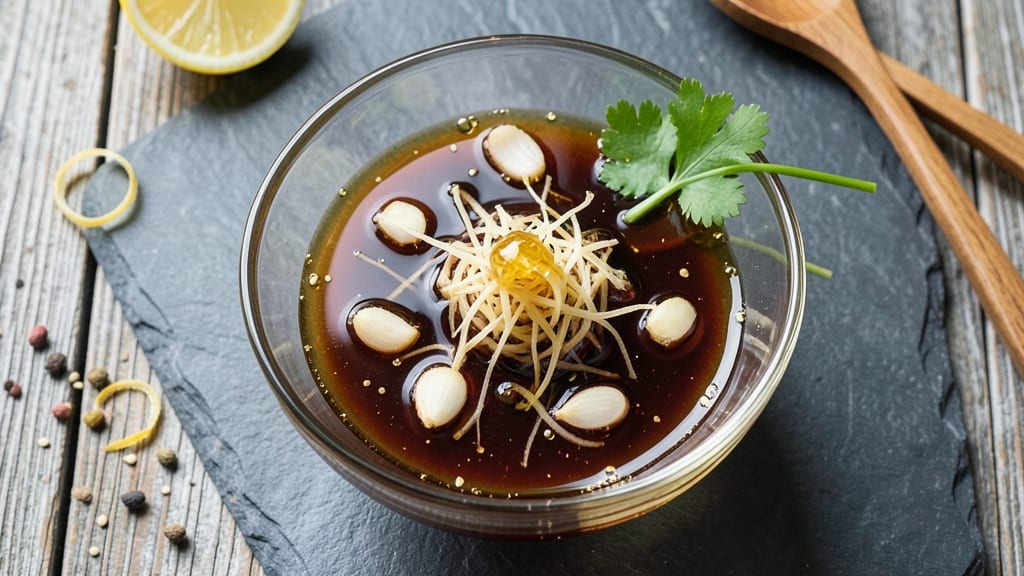
This Asian-inspired salad dressing recipe transforms ordinary greens into a flavor-packed experience with just five simple ingredients. The secret lies in balancing sweet, tangy, and umami notes—sesame oil adds nutty depth, ginger brings zing, and rice vinegar keeps it bright. I developed this dressing after craving that restaurant-quality zing at home without the fuss of store-bought versions.
The magic happens when fresh ginger and garlic are minced finely, then whisked with rice vinegar, soy sauce, and a touch of honey until completely emulsified. This creates a silky, clingy dressing that coats every leaf and ingredient perfectly.
The result? A dressing that’s bold enough to stand up to hearty proteins like grilled chicken or tofu but delicate enough for crisp lettuce and shredded cabbage.
What makes this recipe truly special is its versatility—drizzle it over summer salads, toss it with cold noodles, or use it as a marinade for quick-cooked proteins.
The dressing keeps well in the fridge for up to a week, so you can make a batch ahead and enjoy it all week long. No emulsifiers or thickeners needed; the natural oils and acids do all the work.
For an extra layer of texture, top with toasted sesame seeds or a pinch of chili flakes before serving. The contrast of heat and crunch elevates the dressing from good to unforgettable. Ready to elevate your salads? Let’s make this dressing—it’s simpler than you think.
Ingredients for asian inspired salad dressing
Five simple ingredients create this restaurant-quality dressing with perfect umami balance.
| Ingredient | Amount | Notes |
|---|---|---|
| Fresh Ginger Root 🧄 | 2 tbsp | Finely grated, skin removed |
| Garlic Cloves 🧄 | 2 cloves | Minced, skin removed |
| Rice Vinegar 🍶 | ½ cup | Unseasoned, mild flavor |
| Sesame Oil 🫒 | 2 tbsp | Toasted, for nutty depth |
| Soy Sauce 🍶 | 2 tbsp | Light or dark preferred |
| Honey 🍯 | 1 tbsp | Raw or clover variety |
| Toasted Sesame Seeds 🥜 | 1 tbsp | For garnish, optional |
| Red Chili Flakes 🌶️ | ½ tsp | Adjust for heat preference |
| Salt 🧂 | ½ tsp | Kosher or sea salt |
Fresh ginger is key—look for firm, aromatic roots at the store. Trader Joe's and Whole Foods carry the best quality, but any grocery store's produce section works. The garlic should be plump and firm, not sprouting. Toast your sesame seeds in a dry pan for 2 minutes until fragrant—that nutty aroma makes all the difference. For sesame oil, grab the toasted variety (not the regular kind) from the Asian foods aisle. It’s pricier but worth it for that deep, toasty flavor.
No fresh ginger? Substitute 1 tbsp ginger paste or 1 tsp ground ginger, but fresh is ideal. Short on sesame oil? Avocado oil or neutral oil works, but you’ll lose that signature flavor. For a sweeter touch, swap honey for maple syrup or agave. The soy sauce can be tamari for gluten-free, but regular works fine. If you want extra zing, add a splash of lime juice—it brightens everything up. The dressing should be silky; if it separates, whisk in another teaspoon of oil or a pinch of cornstarch mixed with water.
This dressing keeps for up to 1 week in the fridge, sealed tightly. For extra flavor, let it sit for 10 minutes before using—the flavors meld beautifully. Garnish with toasted sesame seeds and chili flakes right before serving. If making ahead, store the seeds and flakes separately and add them fresh. The dressing works on everything from salads to noodles, so make a big batch—you’ll want seconds.
Why You'll Love This Recipe
- Five-Ingredient Magic: I swear by this combo—ginger’s zing, garlic’s punch, and that toasty sesame oil hit just right. No fancy gadgets, just a knife and a bowl. (Yes, even when I’m bleary-eyed after a late night.)
- Brightens Everything: Drizzle it over greens, toss it with cold noodles, or slather it on grilled chicken—suddenly, boring meals feel like a restaurant dish. The rice vinegar keeps it fresh, while soy sauce adds depth without overpowering.
- Weeknight Workhorse: Between us, I make this at least twice a week. It’s my go-to for quick lunches, potlucks, or when I’m too tired to think. Honestly, the leftovers taste even better the next day—proof it’s worth doubling.
- Budget Bright Spot: Sesame oil and ginger root last forever, and a little goes a long way. I buy soy sauce in bulk, so this dressing costs pennies per serving. Fancy dressing? More like frugal dressing that still packs flavor.
Step-by-step instructions for Asian-inspired salad dressing
Here's how to create a vibrant, balanced dressing that delivers bright acidity, zesty ginger heat, and nutty depth.
Prepare the Ginger and Garlic Base
Peel and finely grate the 2 tbsp fresh ginger root, using the smallest holes of a box grater or a microplane. You want a smooth paste with no visible fibers—this ensures even distribution of flavor. Transfer the grated ginger to a small bowl and set aside.
Next, peel the 2 cloves garlic and mince them into tiny pieces—about ⅛-inch in size. The goal is to create a fine texture that will blend seamlessly into the dressing. I like to use the flat side of my chef's knife to press down on the minced garlic, which helps release more flavor. Add the minced garlic to the bowl with the ginger and mix briefly to combine.
Whisk Together the Wet Ingredients
In a measuring cup or small bowl, combine the 0.5 cup rice vinegar, 2 tbsp soy sauce, and 1 tbsp honey. Give it a quick stir to dissolve the honey completely—this prevents clumping and ensures a smooth texture. The vinegar should be room temperature, not icy cold, as it blends better with the other ingredients.
Pour this mixture into the bowl with the ginger and garlic. Add the 2 tbsp sesame oil and 0.5 tsp salt, then whisk vigorously for about 30 seconds. You'll notice the mixture will start to emulsify slightly as the oil begins to bind with the other liquids. This is the foundation of your dressing, and the whisking helps create a silky, cohesive texture.
Incorporate the Spices and Adjust Seasoning
Add the 0.5 tsp red chili flakes to the bowl and whisk again until fully distributed. The chili flakes should dissolve into tiny specks throughout the dressing, adding a subtle but noticeable heat. Taste the mixture now—this is your chance to adjust the balance before it thickens. If it needs more acidity, add a splash of rice vinegar. If it needs more sweetness, add a tiny bit more honey. The dressing should be tangy, slightly sweet, and just spicy enough to wake up your palate.
Here's the thing—this dressing is meant to be versatile, so don't be afraid to tweak it. If you're using it for a spicy Asian salad, you might want to add a bit more chili. For a milder dressing, reduce the chili flakes slightly. The key is to achieve harmony between the bright vinegar, the umami from the soy sauce, and the warmth of the ginger and garlic.
Finish and Store for Maximum Freshness
Let the dressing sit at room temperature for 5-10 minutes before using. This resting period allows the flavors to meld together, creating a more cohesive taste. During this time, the ginger and garlic will release their essential oils, deepening the flavor profile.
Before serving, give it one final whisk to ensure everything is well combined. If you're using the 1 tbsp toasted sesame seeds as a garnish, sprinkle them over the top of your salad just before eating—they add a delightful crunch and nutty aroma that complements the dressing perfectly. Store any leftovers in an airtight container in the refrigerator for up to 1 week, shaking well before each use. The flavors will continue to develop and deepen over time, making it even more delicious the next day.
Pro Tips For Making Asian Inspired Salad Dressing
- Grate Ginger Fine: Use the smallest holes on your grater—no, your knife isn’t doing it justice here. Fresh ginger loses its bite fast, so grate it right before mixing or it’ll taste like sad, watered-down background flavor.
- Toast Garlic First: Sear the minced garlic in a dry pan for 30 seconds until golden—just until it smells like a bakery, not a hospital. This stops it from turning bitter and adds a nutty depth that raw garlic can’t match.
- Balance the Vinegar: Start with half the rice vinegar called for, taste, then add the rest. Sesame oil and soy sauce are bold; vinegar’s job is to brighten, not overpower. (Yes, even if you love sour—trust me.)
- Whisk in Stages: Add the soy sauce first, then the sesame oil last, whisking vigorously after each. Oil and vinegar don’t play nice—if you dump everything in at once, you’ll end up with a separated mess. Patience here saves cleanup later.
Serving suggestions for this asian inspired salad dressing
Salad Pairings
This dressing shines on crisp mixed greens like butter lettuce, spinach, or baby arugula. I love tossing it with shredded cabbage and sliced cucumber for a refreshing summer salad. For extra texture, add edamame or mandarin orange segments—the sweetness balances the dressing's tang perfectly. 🥗
Try it with Asian-inspired slaws using shredded carrots, purple cabbage, and scallions. The dressing's umami depth elevates simple ingredients into something restaurant-worthy. For a heartier option, mix it with cooked quinoa or brown rice for a cold grain bowl.
Protein Pairings
Drizzle this dressing over grilled chicken or tofu for a quick, flavorful meal. The sesame-ginger notes complement the smoky char of grilled proteins beautifully. I often serve it with sesame-garlic chicken and steamed bok choy for a complete dish. 🍗
For seafood lovers, toss it with cold sushi rice and sliced avocado—it’s like a deconstructed sushi bowl. The dressing also works well with shrimp skewers or seared scallops, adding a bright contrast to rich seafood flavors.
Noodle and Grain Bowls
Use this dressing as a sauce for cold soba noodles or rice noodles. Toss the cooked noodles with shredded veggies like bell peppers and bean sprouts for a refreshing noodle salad. The dressing clings to the noodles perfectly, creating a cohesive bite. 🍜
For a grain bowl, mix it with warm jasmine rice and top with grilled veggies, fried egg, or crispy tofu. The dressing ties all the elements together, making every bite flavorful and balanced.
Garnish Ideas
Finish your dish with toasted sesame seeds for crunch and thinly sliced scallions for freshness. A sprinkle of crushed peanuts adds a savory contrast, while lime zest brightens the flavors. For heat lovers, add extra chili flakes or a drizzle of sriracha. 🌶️
Fresh cilantro or mint leaves add a bright, herbal note that pairs beautifully with the dressing. If you’re feeling fancy, top with pickled ginger or quick-pickled radishes for a tangy crunch.
Nutrition facts
Frequently asked questions
Can I make this dressing without fresh ginger?
Yes! Use 1 tbsp ginger paste or 1 tsp ground ginger instead, but fresh ginger gives the best flavor. If you're in a pinch, a splash of lime juice can help brighten the dressing to compensate for the missing zing. The texture will be slightly different, but the taste will still be delicious.
How do I fix a dressing that's too thick or separated?
If it's too thick, whisk in 1-2 tsp warm water until smooth. For separation, stir in ½ tsp cornstarch mixed with 1 tsp water or add another ½ tsp sesame oil and whisk vigorously. The dressing should emulsify back into a silky consistency. This happens when oils and liquids aren't properly balanced.
What's the best way to store leftovers?
Transfer to an airtight container and refrigerate for up to 1 week. Always shake well before using, as the ingredients may settle. For longer storage, freeze in ice cube trays for 1 month, then transfer to a bag. Thaw overnight in the fridge before using—never at room temperature.
Can I make this dressing spicier or sweeter?
For more heat, add ½-1 tsp extra chili flakes or a dash of sriracha. For extra sweetness, increase honey to 2 tbsp or add 1 tsp maple syrup. Taste as you go—this dressing is all about balancing those flavors to your preference. The key is harmony between the tangy, sweet, and spicy notes.
What's the difference between toasted and regular sesame oil?
Toasted sesame oil has a deep, nutty aroma and richer flavor from being heated during processing. Regular sesame oil is lighter and more neutral—great for cooking but lacks the signature depth in dressings. Always use toasted sesame oil for this recipe to get that authentic Asian-inspired flavor. It's worth the extra cost for the flavor boost!