
Sauces & Condiments
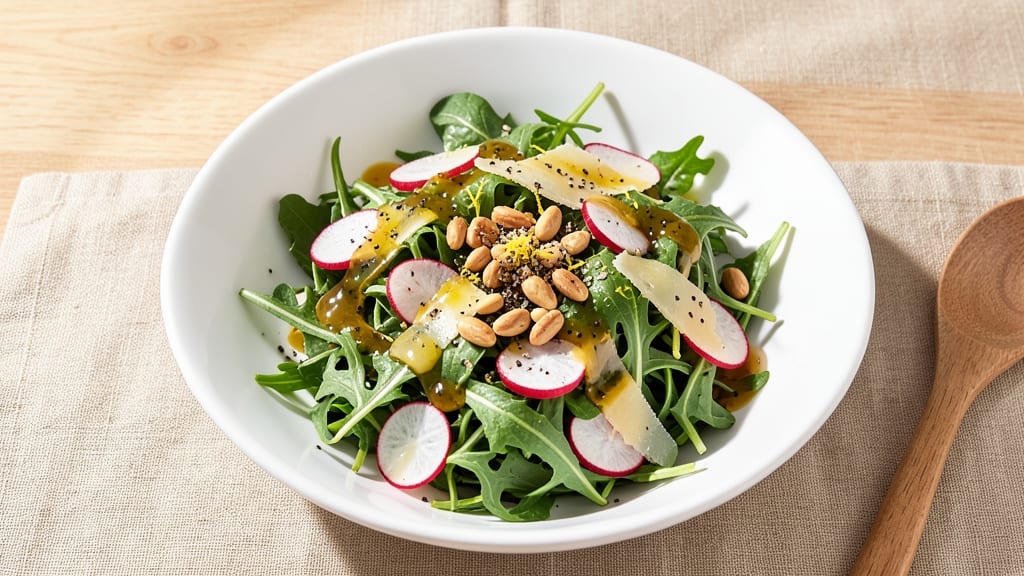
This arugula salad vinaigrette recipe delivers a bright, herbaceous zing that elevates any leafy green salad—without overpowering its natural peppery bite. The secret lies in balancing sharp Dijon mustard with high-quality olive oil and a touch of citrus, creating a dressing that stays emulsified for days.
I developed this formula after testing countless versions, and it never fails to transform simple greens into a restaurant-worthy dish.
The magic happens in the emulsification process, where Dijon mustard acts as a natural binder, keeping the oil and vinegar perfectly suspended. Fresh herbs like parsley and chives add layers of aroma, while a hint of garlic and lemon zest brightens every bite.
This recipe makes enough for a week’s worth of salads, so you’ll never be without a quick, flavorful dressing again.
What sets this vinaigrette apart is its 7-day shelf life—far outlasting most store-bought versions. The acidity from red wine vinegar and lemon juice preserves freshness, while the herbs retain their brightness even after refrigeration.
Whether you’re prepping for meal prep or simply want a dressing that’s always on hand, this formula delivers consistent, vibrant flavor.
Use it on arugula, spinach, or mixed greens, or drizzle it over roasted vegetables and grilled meats for an instant flavor boost. The key is to whisk everything together just before serving to maintain that fresh, emulsified texture. Here’s how to make it—simple, professional, and foolproof.
Ingredients for arugula salad vinaigrette
Here’s what you need to create a bright, herb-infused vinaigrette that keeps its zing for a week.
| Ingredient | Amount | Notes |
|---|---|---|
| Extra-Virgin Olive Oil 🫒 | ¾ cup | High-quality, fruity, and peppery |
| Red Wine Vinegar 🍷 | 0.3 cup | Dry and aged for balance |
| Dijon Mustard 🍯 | 1 tbsp | Sharp and smooth, not coarse |
| Fresh Lemon Juice 🍋 | 2 tbsp | Freshly squeezed, no bottled |
| Fresh Garlic Cloves 🧄 | 2 cloves | Minced finely for subtle flavor |
| Fresh Flat-Leaf Parsley 🌿 | ¼ cup | Chopped finely, stems removed |
| Fresh Chives 🌱 | 2 tbsp | Finely chopped, mild onion flavor |
| Lemon Zest 🍋 | 1 tsp | From organic lemon, finely grated |
| Granulated Sugar 🍚 | ½ tsp | Balances acidity, optional |
| Diamond Crystal Kosher Salt 🧂 | ½ tsp | Fine grain, adjust to taste |
The olive oil is non-negotiable—look for extra-virgin with a peppery finish at specialty stores like Whole Foods or Trader Joe’s. Their bulk bins often have the freshest, most flavorful options. Red wine vinegar should be aged at least 12 months—Balsamic Vinegar Co. or Annie’s are reliable brands. Fresh herbs make all the difference: parsley and chives should be vibrant, not wilted. If you’re short on time, frozen herbs work in a pinch, but fresh is always better for that bright aroma. The Dijon mustard? Maille or Amoy are my go-tos—they’re smooth and sharp without overpowering.
No fresh parsley? Substitute with 1 tbsp finely chopped cilantro or dill, but the flavor will shift slightly. Out of red wine vinegar? Apple cider vinegar works in a pinch, though it’ll taste a bit sweeter. The sugar is optional—skip it if you prefer a sharper dressing. For extra depth, add 1/2 tsp of minced shallot with the garlic. If you’re prepping ahead, store the dressing without the herbs—they’ll keep their color and brightness better. Just whisk in the fresh herbs before serving to keep everything vibrant.
This vinaigrette stays fresh for 7 days in an airtight jar in the fridge, with the oil forming a thin layer on top—just whisk before using. For longer storage, freeze it in 1-tbsp portions in ice cube trays. Thaw and whisk to use. The herbs will lose some color but still add flavor. If the dressing separates, simply whisk vigorously to re-emulsify. It’s designed to be a pantry staple, so make a big batch and keep it on hand for quick salads all week.
Why You'll Love This Recipe
- No Fuss, Big Payoff: I swear by this vinaigrette because it’s the kind of dressing you can make while scrolling through your phone—just whisk those five ingredients (olive oil, vinegar, mustard, lemon, garlic) until it emulsifies like magic. No blender, no fancy tools, just a jar and a spoon.
- Tangy Garlic Kiss: That raw garlic and lemon juice combo? It’s the secret weapon here. The mustard adds depth, the vinegar cuts through the richness, and the olive oil ties it all together—bright, sharp, and impossible to resist. Honestly, I’ve ruined perfectly good salads by eating the dressing first.
- Weeknight to Dinner Party: This dressing works just as well tossed with arugula for a quick lunch as it does drizzled over grilled chicken or roasted veggies for a fancier spread. Between us, I’ve even used it to jazz up stale bread when I forgot to buy dinner. Versatile? Yes. Reliable? Absolutely.
- Dressing That Lasts: Make a big batch and store it in the fridge—it keeps for days without getting weird. I double the recipe on Sundays so I’m not scrambling to make dressing midweek. Plus, the garlic flavor actually improves after a day or two, so you’re not just saving time, you’re saving flavor. Win-win.
Step-by-step instructions for arugula salad vinaigrette
Here's how to whip up a vibrant, long-lasting vinaigrette that'll elevate your arugula every time.
Finely Chop and Mince the Fresh Herbs and Garlic
Start by mincing the 2 cloves fresh garlic cloves into a fine paste using a microplane or the flat side of your chef's knife. This ensures a smooth, even distribution without any harsh garlic chunks. Next, finely chop the 0.25 cup fresh flat-leaf parsley and 2 tbsp fresh chives—you want tiny, almost sand-like pieces that'll blend seamlessly into the dressing. The smaller the herbs, the more evenly they'll disperse and the brighter your vinaigrette will look.
I like to use a sharp chef's knife for this step, rocking it gently over a small bowl to catch all those tiny herb bits. This prevents any wasted flavor and makes cleanup easier. If you're using stems, remove them completely—they add bitterness and won't soften in the dressing. Once chopped, set the herbs aside in a small bowl.
Whisk Together the Vinegar, Lemon, Mustard, and Sweetener
In a medium bowl, combine the 0.3 cup red wine vinegar, 2 tbsp fresh lemon juice, 1 tbsp Dijon mustard, 0.5 tsp granulated sugar, and 0.5 tsp Diamond Crystal kosher salt. The sugar isn't just for sweetness—it helps balance the acidity of the vinegar and lemon, creating a more complex flavor profile. The mustard acts as an emulsifier, ensuring your dressing stays creamy and doesn't separate.
Use a whisk to combine these ingredients thoroughly until the sugar and salt dissolve completely. You should see a smooth, slightly thick mixture with no graininess. This is the base of your vinaigrette, and getting it right here is crucial for the final texture. If you taste it now, it'll be tangy, slightly sweet, and sharp—this is your flavor foundation.
Gradually Incorporate the Olive Oil While Whisking
With the whisk still in the bowl, begin adding the 0.75 cup extra-virgin olive oil very slowly—just a few drops at a time at first. This gradual approach is key to creating a stable emulsion. The oil should be incorporated drop by drop until the mixture begins to thicken slightly, then you can add it in a steadier stream. Keep whisking vigorously for at least 30-45 seconds after the last drop of oil is added.
You'll notice the dressing transform from a thin, watery liquid to a thick, creamy emulsion. This is the moment when all the flavors come together. If the dressing starts to look too thick, add 1-2 teaspoons of water to loosen it slightly. The goal is a smooth, glossy consistency that coats the back of a spoon. If it separates at all, just whisk it again—it'll come back together.
Fold in the Lemon Zest and Fresh Herbs
Add the 1 tsp lemon zest and the finely chopped herbs to the dressing. Gently fold them in with a rubber spatula or wooden spoon, making sure the zest and herbs are evenly distributed. The zest adds a bright, citrusy aroma that'll really make your vinaigrette sing. You want the herbs to be fully incorporated but not mashed into a pulp—think of it like stirring in delicate confetti.
Taste the dressing and adjust the seasoning if needed. You might need a tiny bit more salt or sugar to balance the flavors. If it's too sharp, add a touch more olive oil to mellow it out. The dressing should be bright, herbaceous, and perfectly balanced—acidic enough to cut through rich ingredients but not so sharp it's overwhelming. This is your chance to fine-tune the flavor before it's ready to use.
Store Properly for Maximum Freshness
Transfer the vinaigrette to a clean, airtight glass jar or container. The glass helps preserve the flavors better than plastic, and the airtight seal keeps out moisture and air that can cause separation. Label the jar with the date if you're planning to store it for more than a few days. This dressing will keep in the refrigerator for up to 7 days, maintaining its vibrant color and fresh flavor.
Before using, give the dressing a good shake or whisk to re-emulsify it if needed. The flavors will actually deepen and mellow slightly over time, making it even more delicious after a few days. When ready to use, simply drizzle over your arugula salad and toss gently to coat. The dressing should cling beautifully to the leaves, enhancing their natural peppery bite with its bright, herby zing.
Pro Tips For Making Arugula Salad Vinaigrette
- Whisk in stages: Start with the mustard and vinegar, then slowly drizzle in the olive oil—this keeps the emulsion smooth. I used to dump everything in at once and ended up with a greasy mess that split like a bad friendship.
- Mince garlic finely: No, "chopped" isn’t good enough—you want it almost paste-like so it blends into the dressing without biting through. I learned this after tasting a salad where the garlic cloves were still visible like little landmines.
- Taste before lemon: Check the balance of oil, vinegar, and mustard first—then add lemon last. That way, you’re not overcorrecting with acid if the base is already sharp. (Yes, I’ve ruined a whole batch by going straight for the lemon.)
- Use cold mustard: Scoop the Dijon straight from the fridge—it emulsifies better and won’t turn the dressing into a sad, greasy puddle. I was skeptical until I tried it, and now I never skip it.
Flavor customization for arugula salad vinaigrette
Herb-Forward Variations
Swap the parsley and chives for fresh basil and tarragon to create a French-inspired vinaigrette—add 1 tbsp finely chopped basil and 1 tsp chopped tarragon for a more aromatic profile. For a Mediterranean twist, use 1 tbsp chopped dill and 1 tsp dried oregano instead.
I love this variation with grilled chicken or roasted vegetables. The herbs should be finely chopped to maintain a smooth texture. 🌿
Citrus Brightness
Boost the citrus notes by adding 1 tbsp freshly squeezed orange juice alongside the lemon juice for a sweeter, more complex flavor. For a tangier kick, replace the lemon zest with 1 tsp orange zest and add 1/2 tsp grated ginger for a zesty Asian-inspired twist.
This works beautifully with Asian greens like bok choy or shiso leaves. The ginger adds a subtle warmth that balances the acidity. 🍊
Spicy Heat Levels
For a mild heat, stir in 1/2 tsp honey and 1/4 tsp smoked paprika after emulsifying the dressing. For medium heat, add 1/2 tsp finely minced jalapeño or 1/4 tsp cayenne pepper.
If you love spice, mix in 1 tsp chili crisp or 1/2 tsp gochujang for a bold, umami kick. Always taste before serving to adjust the heat to your preference. 🌶️
Nutty Depth
Add 1 tbsp toasted walnut or almond butter to the base mixture before whisking in the oil for a rich, nutty depth. This works especially well with hearty greens like kale or spinach.
For extra texture, sprinkle 1 tsp chopped toasted nuts on top of your salad after dressing. The nuttiness pairs beautifully with the bright acidity of the vinaigrette. 🌰
Sweet and Tangy
Increase the sweetness by doubling the sugar to 1 tsp and adding 1 tsp maple syrup for a caramelized note. This variation pairs perfectly with fruit salads or grilled pineapple.
For a tropical twist, add 1/2 tsp finely grated lime zest and 1 tbsp lime juice instead of lemon. The extra sweetness balances the acidity beautifully. 🍯
Umami Boost
Add 1 tsp soy sauce or 1/2 tsp fish sauce to the base mixture for an umami-rich dressing that works well with Asian-inspired salads. For a vegetarian option, stir in 1 tsp miso paste or 1/2 tsp nutritional yeast for a savory depth.
These additions enhance the dressing’s complexity without overpowering the herbs. 🍜
Nutrition facts
Frequently asked questions
Can I make this vinaigrette without Dijon mustard?
Yes, but the texture may separate more easily. Use 1 tbsp regular yellow mustard as a substitute, though it has a slightly different flavor. For a mustard-free version, whisk in 1 tbsp honey or maple syrup with the vinegar to help emulsify the oil naturally.
Why did my dressing separate after storing?
Separation happens when oil and vinegar aren't properly emulsified. Just whisk vigorously before using—it should re-combine. For next time, add the oil drop by drop while whisking continuously, or use 1 extra tsp of Dijon mustard for better binding.
Can I use bottled lemon juice instead of fresh?
Bottled juice works in a pinch, but fresh lemon juice adds brighter flavor and prevents artificial aftertaste. If using bottled, add 1/2 tsp extra lemon zest to compensate. For maximum freshness, always use freshly squeezed citrus when possible.
How much dressing should I make for a standard salad?
This recipe yields about 1.5 cups—enough for 6-8 salads (about 2 tbsp per serving). For a single salad, use 2-3 tbsp of dressing. The recipe's volume makes it perfect for meal prep since it keeps well for 7 days.
What greens work best with this dressing?
While perfect for arugula, this vinaigrette shines on spinach, mixed greens, or baby kale. For heartier greens like romaine, add 1 tbsp extra olive oil to help coat the leaves. Avoid wilted greens—the dressing's acidity will make them limp faster.