
Salads
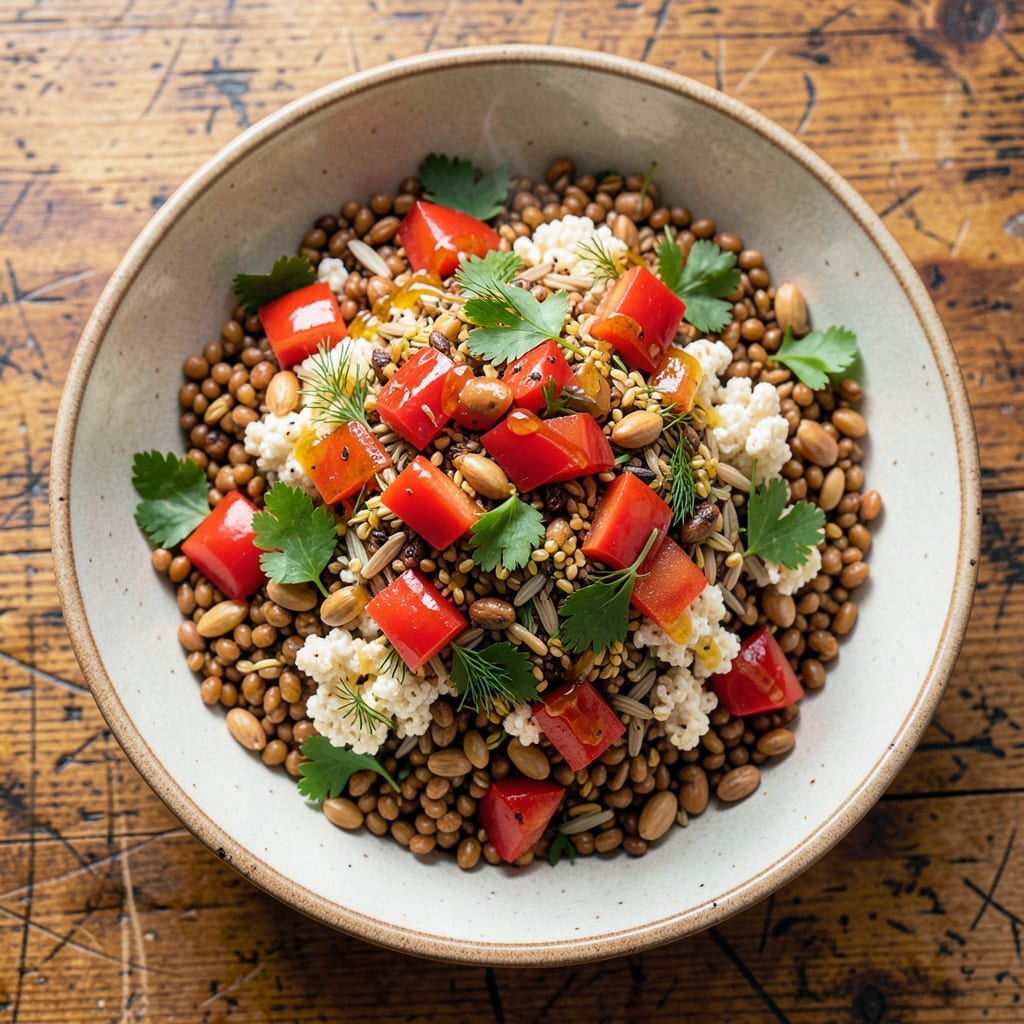
This 7-grain salad recipe transforms simple pantry staples into a hearty, protein-packed powerhouse that stands up as a main dish or elevates any meal. The nutty complexity of farro, barley, and quinoa blends with the earthy depth of buckwheat and millet, creating a textural symphony that's both satisfying and nourishing. I developed this recipe after years of experimenting with grain combinations, and it consistently delivers restaurant-quality results at home.
The beauty of this salad lies in its versatility—cook the grains ahead of time, then assemble with fresh vegetables, herbs, and a bright vinaigrette when ready. Each grain contributes unique qualities: farro adds chewiness, wild rice brings delicate sweetness, and amaranth delivers a satisfying crunch. The dressing ties everything together with a tangy balance of lemon, Dijon, and olive oil, while optional add-ons like toasted nuts or crumbled cheese can be customized to your taste.
What makes this salad truly special is its nutritional profile: packed with fiber, plant-based protein, and complex carbohydrates, it keeps you energized for hours. The combination of grains provides a complete amino acid profile, making it an excellent choice for vegetarians or anyone looking to boost their protein intake without meat. Plus, the flavors develop even better when refrigerated, so it's perfect for meal prep.
Serve this salad as a standalone dish with crusty bread, alongside grilled fish or chicken, or as a side for hearty stews. The possibilities are endless, but the foundation remains the same: a perfectly balanced, flavorful grain medley that's as good for your body as it is for your soul. Let's get cooking!
Ingredients for 7 grain salad
These seven grains and fresh ingredients create a protein-packed salad that's perfect for meal prep.
| Ingredient | Amount | Notes |
|---|---|---|
| Farro 🌾 | 1 cup | Rinsed before cooking |
| Barley 🌾 | 1 cup | Pearl or hulled variety |
| Quinoa 🌾 | 1 cup | Rinsed thoroughly |
| Buckwheat Groats 🌾 | ½ cup | Not buckwheat flour |
| Millet 🌾 | ½ cup | Lightly toasted first |
| Wild Rice Blend 🌾 | ½ cup | High-quality blend |
| Amaranth 🌾 | ¼ cup | Toasted for nuttiness |
| Extra-Virgin Olive Oil 🫒 | ½ cup | For cooking grains |
| Vegetable Broth 💧 | 4 cups | Low-sodium preferred |
| Red Bell Pepper 🍅 | 1 whole | Diced, seeds removed |
| Cucumber 🥒 | 1 whole | Peeled, diced |
| Cherry Tomatoes 🍅 | 1 pint | Halved |
| Red Onion 🧅 | ½ whole | Thinly sliced |
| Fresh Parsley 🌿 | ¼ cup | Chopped |
| Fresh Dill 🌿 | 2 tbsp | Chopped |
| Lemon Juice 🍋 | 3 tbsp | Freshly squeezed |
| Dijon Mustard 🍯 | 1 tbsp | High-quality |
| Apple Cider Vinegar 🍶 | 2 tbsp | Raw, unfiltered |
| Sea Salt 🧂 | 1 ½ tsp | Diamond Crystal preferred |
| Black Pepper 🌶️ | ½ tsp | Freshly ground |
| Toasted Walnuts 🥜 | ½ cup | Chopped |
The grains are the heart of this salad, so buy them from bulk bins if possible—freshness matters. Trader Joe's and Whole Foods have excellent grain sections, but don't overlook your local grocery store's bulk section for better prices. Farro and barley need rinsing to remove bitterness, while quinoa and amaranth should be triple-rinsed. For the wild rice blend, look for a high-quality brand like Lundberg—cheaper blends can be gritty. Toasting the millet and amaranth before cooking brings out their nutty flavors (just dry-toast in a pan for 2-3 minutes until fragrant).
No fresh dill? Fresh mint or tarragon works in a pinch, though dill's bright flavor is ideal. Short on red bell pepper? Substitute roasted red peppers from a jar—just drain them well. The dressing can be made ahead, but add the lemon juice last to keep it bright. For extra protein, toss in white beans or chickpeas when assembling. Store-bought vinaigrettes won't cut it here—the balance of Dijon, vinegar, and olive oil is key. If you're making this for a crowd, double the grains and dressing, but keep the veggies separate until serving to prevent sogginess.
Cooked grains keep beautifully in the fridge for 5 days, while the dressing lasts 1 week. Portion the grains into airtight containers with parchment paper between layers to prevent sticking. The salad itself holds up for 3 days in the fridge, though the textures get softer over time. For meal prep, I like to assemble everything the night before and refrigerate—flavors meld even better overnight. Freeze the grains alone (without veggies or dressing) for up to 6 months if you want to prep ahead for future salads.
Why You'll Love This Recipe
- One-Pot Wonder: I swear by this—no chopping, no fuss, just dump the grains, cover with broth, and let them do their thing. The farro stays chewy, the millet gets that perfect bite, and everything cooks through evenly without watching the clock.
- Nutty Earthy Magic: Between us, the buckwheat and millet bring a toasty, almost buttery depth that’s ridiculously satisfying. Toss in a handful of toasted walnuts or sunflower seeds, and you’ve got crunch that makes every bite feel like a hug for your taste buds.
- Meal Prep MVP: I make a big batch on Sundays and it lasts me all week—breakfast bowls, lunch salads, even stuffed into wraps. The grains hold up perfectly, and honestly? The flavors get better as it sits, like a good cheese.
- Budget-Friendly Powerhouse: This recipe uses pantry staples that won’t break the bank—farro, barley, quinoa, the whole crew. Plus, leftovers taste just as good cold the next day, so I’m basically feeding my family for less than half the cost of takeout. Win.
Step-by-step instructions for 7-Grain salad
Here's how to create a perfectly balanced, nutty, and crunchy 7-grain salad that delivers maximum flavor and texture.
Toast and Cook the Grains Individually
Start by toasting the 0.5 cup millet and 0.25 cup amaranth in a dry skillet over medium heat for 3-4 minutes until fragrant and lightly golden. This step enhances their natural nuttiness—don't skip it. Transfer them to a large bowl.
In a separate pot, bring 4 cups vegetable broth to a boil. Add the 1 cup farro, 1 cup barley, 1 cup quinoa, 0.5 cup buckwheat groats, and 0.5 cup wild rice blend all at once. Return to a boil, then reduce heat to low, cover, and simmer for 25-30 minutes until all grains are tender and the liquid is absorbed. Drain any excess water and let cool completely before mixing with the toasted grains.
Prepare the Fresh Vegetable Medley
While the grains cook, dice the 1 whole red bell pepper into small cubes, peel and dice the 1 whole cucumber, halve the 1 pint cherry tomatoes, and thinly slice the 0.5 whole red onion. Place all vegetables in a separate large bowl. Chop the 0.25 cup fresh parsley and 2 tbsp fresh dill finely and set aside.
Here's the thing—slicing the onion thinly ensures it softens slightly in the dressing without losing its bite. If you're sensitive to raw onion flavor, soak the slices in ice water for 5 minutes before draining and adding to the salad. This trick mellows the sharpness beautifully.
Whisk Together the Dressing
In a small bowl, whisk together the 0.5 cup extra-virgin olive oil, 3 tbsp lemon juice, 1 tbsp Dijon mustard, and 2 tbsp apple cider vinegar. Gradually add the 1.5 tsp sea salt and 0.5 tsp black pepper, whisking constantly until fully combined. Taste and adjust seasoning—you want a balance of tangy, slightly sweet, and savory.
This dressing is the backbone of your salad. The Dijon mustard adds depth, while the lemon juice brightens everything. If you prefer a smoother texture, strain the dressing through a fine-mesh sieve to remove any mustard seeds.
Combine All Ingredients
In a very large mixing bowl, gently combine the cooled grains, fresh vegetable medley, chopped herbs, and 0.5 cup toasted walnuts. Pour the dressing over the top and toss everything together with your hands or a large spoon. The goal is to evenly distribute the dressing without mashing the grains or vegetables.
Let the salad sit for 10-15 minutes before serving. This resting period allows the flavors to meld together and the dressing to fully coat each component. If you're making this ahead of time, store it in an airtight container in the refrigerator for up to 3 days, but toss with a little extra dressing before serving to revive the texture.
Serve Immediately for Best Texture
Divide the salad among 6 serving plates and garnish with an additional sprinkle of fresh parsley and toasted walnuts for extra crunch. Serve it as a hearty main dish or as a side to complement grilled meats and roasted vegetables.
Each bite should deliver a symphony of textures—chewy farro, crisp walnuts, tender vegetables, and perfectly al dente grains. The dressing should cling to every component, enhancing the natural flavors without overpowering them. Enjoy it while the grains are still warm or at room temperature for the best experience.
Pro Tips For Making 7 Grain Salad
- COOK GRAINS SEPARATELY: Farro and buckwheat need 25-30 minutes; millet and quinoa cook in 15. Mixing them all together guarantees mushy farro and crunchless buckwheat. Use two pots—trust me, the texture difference is worth the extra dish.
- RINSE BUCKWHEAT AND MILLET: I learned this the hard way—unrinsed buckwheat turns bitter, and millet clumps like glue. Toss both in a fine-mesh strainer for 30 seconds under cold water before cooking. (Yes, even if you’re impatient like me.)
- UNDERCOOK BARLEY BY 5 MINUTES: Barley’s done when it’s almost tender—overcooking turns it into mush. Test at 25 minutes (package times are for softer textures). The slight bite keeps the salad interesting.
- TOAST THE FARRO: Skip this, and your salad tastes bland. Dry-toast farro in a skillet for 2-3 minutes before adding liquid—it deepens the nutty flavor and prevents gummy texture. (Your future self will notice.)
Make-ahead tips for this 7 grain salad
Grain Prep Ahead
Cook the grains 2-3 days in advance—this is where the magic happens! The flavors deepen as they sit, and the textures become even more satisfying. I like to portion them into airtight glass containers with parchment paper between layers to prevent sticking. Store in the fridge for up to 5 days, and they’ll stay perfectly tender. Toasting the millet and amaranth before cooking is non-negotiable—it unlocks their nutty potential. 🌾
Dressing Prep
Make the dressing separately and store it in a small jar for up to 1 week. The key is to keep the lemon juice separate until you’re ready to toss the salad—this prevents the dressing from getting too acidic. When you’re ready to serve, whisk it together and add just enough to lightly coat the grains and veggies. Pro tip: Use a mason jar for easy shaking and portioning. 🍋
Veggie Prep Strategy
Prep the vegetables right before assembling the salad to keep them crisp. Store the chopped veggies in a separate container with a paper towel to absorb excess moisture. If you’re making this for a crowd, slice the red onion and bell pepper ahead, but keep the cucumber and tomatoes fresh until serving. This ensures your salad stays vibrant and crunchy. 🥒
Freezer-Friendly Grains
Want to prep for months ahead? Cook the grains as directed, let them cool completely, and store them in freezer-safe bags with all the air squeezed out. They’ll keep for up to 6 months—just thaw overnight in the fridge before assembling. This is a game-changer for busy weeks when you need a quick, nutritious base. 🧊
Assembly Timeline
For the best results, assemble the salad 1-2 hours before serving. This gives the dressing time to marinate the grains and veggies, but it won’t make them soggy like overnight storage. If you’re meal prepping, store the grains and dressing separately, then toss everything together just before eating. This keeps the texture perfect. ✨
Reheating Tips
If you’ve stored the assembled salad in the fridge, reheat it gently on the stovetop with a splash of warm water or broth to revive the grains. Microwaving can make them mushy, so avoid it if possible. For extra crunch, add fresh herbs or toasted nuts right before serving. 🔥
Nutrition facts
Frequently asked questions
Can I substitute any of the grains in this recipe?
This recipe is flexible—swap wild rice for brown rice or quinoa for couscous if needed. For texture, keep at least 3-4 grains (like farro, barley, and buckwheat) to maintain the hearty, satisfying bite. Avoid replacing all grains with lighter options like couscous, as it won’t hold up as well in the salad.
How do I make this salad gluten-free?
Check your grains first—most quinoa, millet, amaranth, and wild rice are naturally gluten-free. Use certified gluten-free barley-free farro (like spelt) and buckwheat groats (despite the name, buckwheat is gluten-free). Double-check labels on broth and Dijon mustard for hidden gluten. The rest of the recipe is already gluten-free!
Why does my dressing separate or taste too acidic?
The dressing may separate if you whisked too vigorously or used old olive oil. For a smoother texture, strain it through a fine-mesh sieve. If it tastes too acidic, reduce the lemon juice to 2 tbsp and add 1 tsp honey to balance. Always add lemon juice last when tossing the salad to control acidity.
Can I make this salad without nuts?
Yes! Skip the walnuts and add toasted pumpkin seeds or crumbled feta cheese for crunch. For extra protein, stir in white beans or chickpeas (drained and rinsed). The salad will still be delicious—just adjust the dressing slightly to compensate for the different textures.
What’s the best way to reheat leftovers?
Reheat gently in a skillet with 1 tbsp broth or water over low heat for 3-4 minutes to revive the grains. Microwaving can make them mushy. For extra freshness, add crispy elements (like fresh herbs or toasted seeds) right before serving to restore crunch.