
Salads
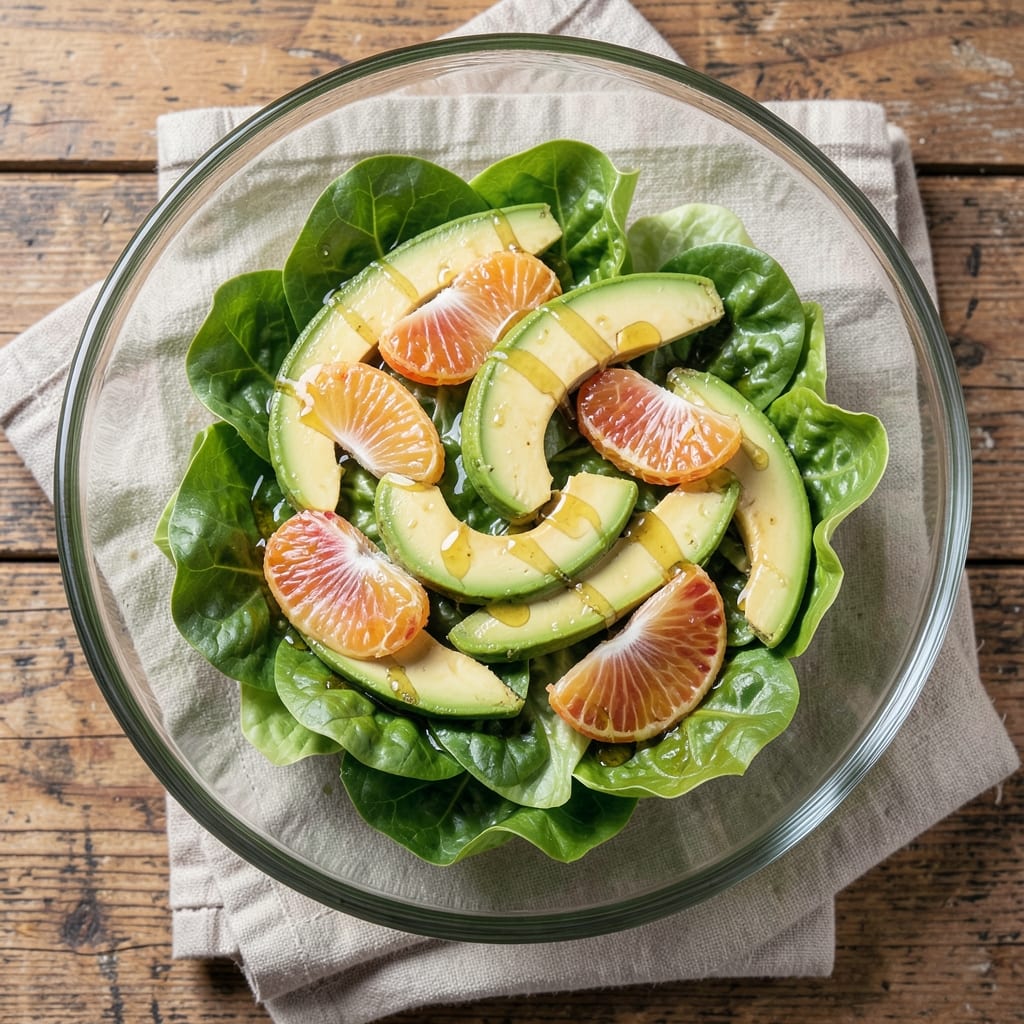
Turn back the clock to 1908 with this creamy vintage salad that balances rich avocado with bright citrus in a way early 20th-century diners would recognize. 💛 Historical recipes from this era often featured fresh, seasonal produce paired with simple dressings—no heavy mayonnaise or processed ingredients. This version stays true to those roots while adapting for modern tastes, using ripe avocado for creaminess and a zesty lemon dressing that was common in early American salads.
The key to recreating this salad authentically lies in the ingredients: crisp lettuce varieties like romaine or butter lettuce (available in 1908), creamy avocado for richness, and citrus segments for that signature tang. Early salads often included hard-boiled eggs and sometimes even a touch of sugar to balance acidity—a nod to the sweet-and-sour flavor profiles popular at the time. The texture contrast between the crunchy lettuce, soft avocado, and juicy citrus creates the perfect bite.
What makes this salad special is how it bridges past and present—using techniques from 1908 while delivering a flavor profile that feels fresh and satisfying today. The dressing, made with lemon juice, olive oil, and a hint of sugar, mimics the simple yet balanced styles of the era. This isn't just a historical throwback; it's a salad that holds its own on any table, whether you're serving it at a vintage-themed dinner or a modern brunch.
For those interested in the history, early 1900s salads were often served as light lunches or appetizers, reflecting the growing popularity of fresh, uncooked foods in American cuisine. This recipe keeps that spirit alive while making it accessible for today's kitchens. Ready to bring a taste of history to your table? Let's gather the ingredients and recreate this timeless classic.
Ingredients for 1908 salad
Fresh avocado, crisp lettuce, and citrus dressing bring 1908 salad techniques to modern tables.
| Ingredient | Amount | Notes |
|---|---|---|
| Ripe Avocados 🥑 | 2 whole | Pitted, peeled, diced |
| Romaine Lettuce 🥬 | 1 head | Crisp outer leaves separated |
| Fresh Orange Segments 🍊 | 1 cup | Peeled, segmented |
| Lemon Juice 🍋 | ½ cup | Freshly squeezed |
| Extra-Virgin Olive Oil 🫒 | ¼ cup | Light fruity variety |
| Granulated Sugar 🍚 | 1 tbsp | For dressing balance |
| Salt 🧂 | ½ tsp | Diamond Crystal preferred |
| Freshly Ground Black Pepper 🌶️ | ¼ tsp | Freshly cracked |
| Hard-Boiled Eggs 🥚 | 2 whole | Chopped, optional |
| Toasted Almond Slices 🌰 | ¼ cup | For texture contrast |
| Fresh Dill Sprigs 🌿 | 2 tbsp | Chopped, optional garnish |
The avocado is non-negotiable here—Hass variety works best, with that buttery texture early 20th-century recipes would have admired. Look for avocados that yield slightly to gentle pressure, but don't give in completely. Whole Foods or local farmers markets often have the ripest selection. For the citrus, Navel oranges are ideal—they're sweet, easy to segment, and were commonly used in vintage recipes. The lettuce should have crisp stems and vibrant green leaves; butter lettuce was a popular choice in 1908, but romaine holds up better in modern salads. If you're feeling particularly authentic, you can even use iceberg lettuce, though it's less common today.
No fresh dill? Dried dill at one-third the amount works in a pinch, though fresh is preferred for that bright, herby note. The eggs are optional but were often included in vintage salads—hard-boiled and chopped adds protein and texture. For the dressing, the sugar is key to balancing the acidity, just as it was in early American recipes. Organic cane sugar has a cleaner taste than processed white sugar. If you're making this for a crowd, double the dressing ingredients—it's that good. The almonds should be toasted until just golden; Trader Joe's sells pre-toasted slices that save time without sacrificing flavor. For a truly historical touch, you could even add a pinch of ground cinnamon to the dressing, as some 1908 recipes did for warmth.
Avocados brown quickly once cut, so toss the diced pieces with a sprinkle of lemon juice and store them in an airtight container in the fridge for up to 2 days. The dressing keeps for 5 days in the refrigerator, though it's best used within 3 days for maximum freshness. The lettuce will stay crisp if wrapped in a damp paper towel and stored in a plastic bag for 3-4 days. For a make-ahead option, prepare the salad components separately and assemble just before serving—this salad tastes even better when the flavors have time to meld. The citrus segments can be prepped a day ahead and stored in the fridge in a sealed container.
Why You'll Love This Recipe
- No Chopping Needed: I’ll admit, I used to dread salad prep—endless chopping, wilting greens, you name it. But this one? Just tear the romaine, slice the avocado in thick chunks, and toss in those bright orange segments. The dressing comes together in 60 seconds with lemon and olive oil. Done.
- Citrus-Kissed Magic: That first bite—creamy avocado, crisp romaine, and the pop of fresh orange? It’s like summer in a bowl, but honestly, it’s just as good in winter when you crave something bright. The lemon juice ties it all together without overpowering, and the olive oil keeps it rich but light.
- Packable for Days: Between us, this is my go-to for lunch prep. I’ll make a big batch on Sunday, store the dressing separately, and grab it for work all week. The avocado softens a bit, but the citrus keeps it from turning into mush. (Yes, even on a Tuesday night.)
- Budget Brightener: Avocados and oranges might seem fancy, but a single bowl costs less than takeout—and it feeds two. I’ll buy a big bag of romaine, a few avocados, and a big orange, and suddenly I’ve got enough for snacks, sides, or even a light dinner. No waste, just flavor.
Step-by-step instructions for vintage avocado & citrus salad
Assemble this timeless salad with creamy avocado and bright citrus for a refreshing, textured bite.
👨🍳 Step 1: Prepare the Base Ingredients
Start by dicing the 2 whole ripe avocados into ½-inch cubes—work quickly to prevent browning. In a separate bowl, separate the crisp outer leaves from the 1 head romaine lettuce, discarding any wilted inner leaves. Tear the outer leaves into bite-sized pieces and place in a large salad bowl. This prep ensures your salad has the perfect balance of creamy avocado and crisp lettuce.
Chop the 2 whole hard-boiled eggs into small pieces and set aside. Toast the 0.25 cup almond slices in a dry skillet over medium heat for 3-4 minutes until golden brown, stirring constantly. Watch closely—they burn quickly. These toasted almonds add a satisfying crunch that contrasts beautifully with the creamy avocado.
🍳 Step 2: Make the Citrus Dressing
In a small bowl, whisk together the 0.5 cup lemon juice, 0.25 cup extra-virgin olive oil, 1 tbsp granulated sugar, 0.5 tsp salt, and 0.25 tsp freshly ground black pepper. The sugar helps balance the acidity of the lemon while enhancing the citrus notes. Whisk until the sugar dissolves completely and the dressing emulsifies into a smooth, glossy consistency.
Add the 1 cup fresh orange segments to the dressing and toss gently. The citrus segments will absorb some of the dressing, intensifying their natural sweetness. Let this mixture sit for 5 minutes at room temperature—this allows the flavors to meld before combining with the salad base.
🥘 Step 3: Assemble the Salad
Gently fold the avocado cubes into the romaine leaves, being careful not to crush them. Add the chopped hard-boiled eggs and toasted almond slices, distributing them evenly. Pour the citrus dressing over the top and toss lightly with tongs—just enough to coat without breaking the lettuce or avocado. The goal is a harmonious blend of textures and flavors in every bite.
Sprinkle the 2 tbsp chopped fresh dill sprigs over the top just before serving. The bright, herbal notes of dill complement the creamy avocado and citrus perfectly, adding a fresh finish to the dish. This step is optional but highly recommended for that authentic vintage touch.
⏰ Step 4: Serve Immediately
Serve the salad immediately to preserve the avocado's creamy texture and crisp lettuce. The dressing will slightly soften the romaine over time, so serving fresh ensures the best texture contrast. Pair with a glass of sparkling water or a crisp white wine to enhance the citrus flavors.
For best results, assemble the salad just before serving. The avocado will darken slightly if left out, but a quick toss with a little extra lemon juice revives its color and flavor. This vintage-inspired dish delivers a refreshing, creamy bite with every forkful—just as it would have in 1908!
Pro Tips For Making 1908 Salad
- Halve Avocados Last Minute: Don’t pit and slice avocados until you’re ready to serve—oxidation turns them brown in minutes. Keep them whole, drizzle with lemon juice, and halve when assembling. This keeps the texture buttery and the color vibrant. ---
- Tear Lettuce, Don’t Chop: Romaine’s crispness disappears when you cut it small. Instead, tear leaves into bite-sized pieces by hand—it’s faster, preserves texture, and looks more elegant. (Yes, it’s messy, but worth it.) ---
- Squeeze Oranges Dry: Juice oranges over a bowl to catch seeds and pulp, then strain through a fine-mesh sieve. Wet segments release more juice, but you want them dry enough to hold shape—pat them gently with a paper towel if needed. ---
- Dress Just Before Eating: Olive oil and lemon juice break down avocado’s creamy texture over time. Toss the salad with dressing right before serving—this keeps the avocado smooth and the lettuce crisp. (I learned this after a sad, soggy lunch.)
Flavor customization for this 1908 salad
Sweet-Tart Balance
Early 1900s salads often featured a delicate sweet-tart contrast, and this version leans into that tradition. For a more pronounced vintage flavor, add ½ tsp ground cinnamon to the dressing—it was a common touch in early American recipes to complement citrus. Alternatively, swap the granulated sugar for 1 tbsp honey or maple syrup to deepen the caramel notes while keeping the dressing light. 🍯
Herb Variations
Fresh dill is classic, but early 20th-century salads also incorporated chopped parsley or tarragon for a more sophisticated herbal note. Try 1 tbsp chopped tarragon for an elegant twist, or mix 1 tbsp each of dill and parsley for a brighter, more complex flavor. If you're feeling adventurous, a pinch of fresh thyme adds an earthy depth that pairs beautifully with citrus.
Protein Upgrades
The original recipe included hard-boiled eggs, but you can modernize it with crumbled feta cheese (¼ cup) for a Mediterranean touch or smoked salmon flakes (2 oz) for a luxurious upgrade. For a plant-based option, swap the eggs for toasted pumpkin seeds (¼ cup) or chickpeas (½ cup, rinsed and drained). These additions keep the salad hearty while staying true to the textural contrast of the era.
Citrus Swaps
While oranges are traditional, grapefruit segments (½ cup) add a sharper tang that was popular in early 1900s recipes. For a subtler sweetness, try tangerines or mandarin oranges, which were also common in vintage salads. If you prefer a tropical twist, substitute mango chunks (1 cup) for the citrus—just reduce the sugar in the dressing to ½ tbsp to balance the natural sweetness. 🍍
Crunchy Add-Ins
Toasted almonds are a nod to the era, but you can experiment with other nuts like pecans or walnuts for a richer flavor. For a lighter crunch, add sliced radishes (½ cup) or shredded cabbage (½ cup) to the lettuce base. These additions were often included in 1900s salads to add freshness and texture without overpowering the main ingredients.
Dressing Depth
The classic lemon dressing can be elevated with a splash of apple cider vinegar (1 tbsp) for extra tang or a pinch of smoked paprika (¼ tsp) for a subtle smokiness. For a creamy vintage touch, whisk in 1 tbsp sour cream or Greek yogurt (full-fat for authenticity) to mimic the richness of early 20th-century dressings. Adjust the sugar to taste—some recipes called for 1½ tbsp to fully balance the acidity. 💛
Nutrition facts
Frequently asked questions
What makes this 1908 salad different from modern salads?
This vintage salad focuses on fresh, seasonal ingredients without processed elements—no heavy mayo or artificial flavors. The 1908 approach emphasized bright citrus, creamy avocado, and simple dressings with sugar to balance acidity, reflecting early 20th-century American dining trends. The texture contrast (crisp lettuce + soft avocado) was key!
Can I substitute butter lettuce for romaine?
Yes! Butter lettuce works beautifully and was actually more common in 1908. For extra crispness, chill the lettuce leaves in ice water for 10 minutes before assembling. Just avoid iceberg—it was rare in early 1900s recipes and lacks the robust flavor of butter lettuce or romaine.
Why does the original recipe include sugar in the dressing?
The sugar was essential in vintage dressings to counteract the sharpness of citrus and lemon. Early recipes often used 1-1½ tbsp sugar per ½ cup lemon juice—this was standard practice before modern flavor preferences shifted. It creates that signature sweet-tart balance that makes the salad so addictive!
How do I prevent the avocado from browning?
Work quickly when dicing and immediately toss the avocado with 1 tsp lemon juice per avocado. Store in an airtight container with plastic wrap pressed directly on the surface. For longer storage (2 days max), place a paper towel between the wrap and avocado to absorb moisture.
What's the best way to serve this salad historically?
In 1908, this salad would have been served as a light lunch or appetizer on chilled glass plates. For authenticity, arrange the components in concentric circles (citrus in center, avocado around edges) and garnish with fresh herbs. Pair with sparkling water or a dry white wine like Sauvignon Blanc to complement the citrus notes.